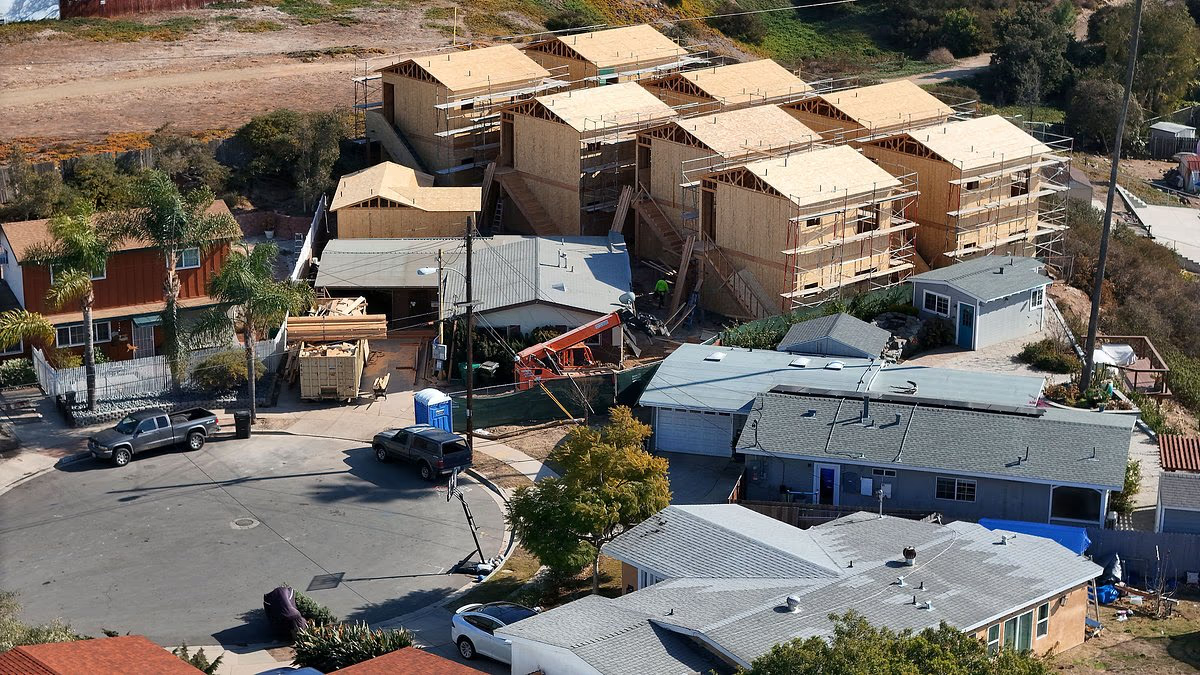

California renters are confronting a new and deeply unsettling housing problem: landlords are converting valuable parking spaces into tiny homes, leaving tenants scrambling to find somewhere to leave their cars.
From Hollywood to Silver Lake, property owners are taking advantage of a change in state law that allows garages and parking areas to be converted into additional apartments—without necessarily requiring the lost spaces to be replaced.
The policy has sparked anger among residents who say parking was part of the deal they accepted when signing their leases. Some tenants have responded by taking their landlords—and, in one case, the city—to court.
The dispute centers on Senate Bill 1211, which took effect in January 2025 as part of California’s effort to address its severe housing shortage.
The law makes it easier to build accessory dwelling units, or ADUs, on multifamily properties. It allows developers to convert garages and other non-livable areas while restricting local authorities from requiring replacement parking.
For landlords, adding rental units to an existing property can be an appealing way to generate more income. For tenants, however, it may mean losing a guaranteed parking spot, spending years searching for space on crowded streets or even being forced to move.
Older residents and people with disabilities say the impact could be especially severe.
Tracey Ellis, 70, has lived in a rent-stabilized apartment building near the Sunset Strip since 2001. She says losing her garage space could threaten her independence.

Residents are angry about landlords converting parking garages into rental units after a controversial law was passed to help address California’s housing crisis

The law makes it easier to build accessory dwelling units, or ADUs, on multifamily properties, including through the conversion of garages and other non-livable spaces
Ellis uses a cane or walker and experiences significant pain when walking even short distances. Her parking space helps her reach medical appointments and shop for groceries.
Her landlord recently told residents that a new apartment would be constructed above the garages. That could mean losing access to the parking area for one to two years during construction—and possibly for longer.
‘Parking in this city is a lifeline for people, and to take away their parking – why don’t you just take half my house or apartment?’ she told the Los Angeles Times.
‘It’s my freedom,’ she added.
Ellis pays slightly more than $1,600 a month in rent. She said residents were initially offered a $100 monthly discount to make up for losing their parking spaces—an amount she believes would do little to cover alternative transportation.
Her landlord, Alex Goodson, said he was working to follow the proper procedures. He insisted that the three-bedroom ADU would be built above the parking area rather than replacing it permanently.
Goodson also said the parking spaces would be restored after construction and that he was working with residents seeking disability accommodations.
Ellis is not the only tenant caught up in the conflict. In Hollywood, residents of a rent-stabilized apartment building have filed a legal challenge against permits allowing 20 parking spaces to be converted into nine ADUs.

An accessory dwelling unit under construction in California
A judge stopped the construction in May while the case moves forward. The tenants argue that parking was included in their rental agreements and that removing it amounts to an illegal change to their leases.
Their attorney, Sabrina Venskus, said: ‘Our position is you are evicting somebody from their rental unit.’
Jacob H. Zadeh, an attorney for the building’s owner, defended the development as a practical response to Los Angeles’ urgent need for more housing.
‘I do feel sympathetic for the tenants losing parking,’ he said. ‘But what is the other option, tearing down the whole building?’
DISCOVER MORE: Military Deploys Cyber Hunt Teams Overseas to Stop Crippling Attacks
In Silver Lake, the dispute has taken another troubling turn for 83-year-old Karen Numme. She says her landlord plans to permanently remove her garage space to make room for two new apartments.
Numme has mobility problems and has lived in her rent-stabilized home since 1995. She fears being forced to navigate the neighborhood’s steep streets while searching for a place to park.
She is suing her landlord, alleging that the plan violates California fair-housing and disability laws, along with local tenant protections.
Her attorney, Frances Campbell, issued a blunt warning to property owners: ‘Build all you want, that’s OK with me. Landlords, make as much money as you can – but don’t make it on the back of old and disabled people.’
Tensions also boiled over in Koreatown, where a landlord’s effort to replace parking spaces with five tiny apartments led to a dramatic confrontation early one morning.

Residents of a building on South Kingsley Drive said eight cars were towed from assigned spaces at about 6.30am. Mel Raymond said tenants were left scrambling to retrieve their vehicles from a tow yard, potentially at a cost of hundreds of dollars
Join the discussion
Should landlords prioritize new housing or protect tenants’ promised parking and quality of life?
Residents of the building on South Kingsley Drive said eight cars were towed from assigned spaces at around 6.30am. Tenants claimed that a crew of about 20 men arrived to clear the area.
‘They ambushed us. They towed all the cars. They brought a crew of 20 men to take our parking using brute force,’ Lauren Seely, who has lived in the building for 12 years, told ABC7.
Another resident, Mel Raymond, said tenants were left scrambling to recover their vehicles from a tow yard and could face hundreds of dollars in fees.
‘I thought that the lease was a document that protected me, and it turns out, not necessarily,’ she said.
Landlord Mark Nassab disputed parts of the tenants’ account, telling ABC7 that only three vehicles had been towed and that residents had received notice.
Nassab said the project had city permits and that tenants with assigned parking had been offered a $200 rent reduction. His attorney said the discount would remain in place for the following year.
The tenants question whether those arrangements are adequate. One resident is asking LA Superior Court to overturn the project’s Tenant Habitability Plan and require a replacement plan that complies with city regulations.
The dispute has also drawn widespread attention online, with a Reddit post about the Koreatown conflict receiving hundreds of upvotes.

Senate Bill 1211 took effect in January 2025 as part of California’s effort to address its severe housing shortage. The law makes it easier to build accessory dwelling units, or ADUs, on multifamily properties
One commenter who said they lived nearby accused the landlord of using the new rules to push out rent-controlled tenants while increasing rental income.
Others said Los Angeles’ restrictive planning rules were contributing to the crisis. They argued that the city needs more apartment buildings instead of relying on additional units squeezed into existing properties.
Housing advocates, meanwhile, maintain that Los Angeles cannot afford to put parking ahead of new homes.
Matthew Lewis, communications director for pro-housing group California YIMBY, said Los Angeles was facing a housing shortage—not a parking shortage. He suggested the city support vulnerable renters through parking subsidies and better transportation options.
City planning officials said they sympathized with renters affected by the projects but were required to approve ADU permits that meet state standards.
State Assembly member Nick Schultz has said he plans to examine the law’s possible unintended consequences, particularly if it is being used to displace existing residents.


