
NEW YORK — For anyone trapped by floodwaters, survival can hinge on a narrow set of essentials: breathable air, food, and above all, safe drinking water.
Catastrophic flooding along the Nepal-China border has killed hundreds of people and left thousands more unaccounted for.
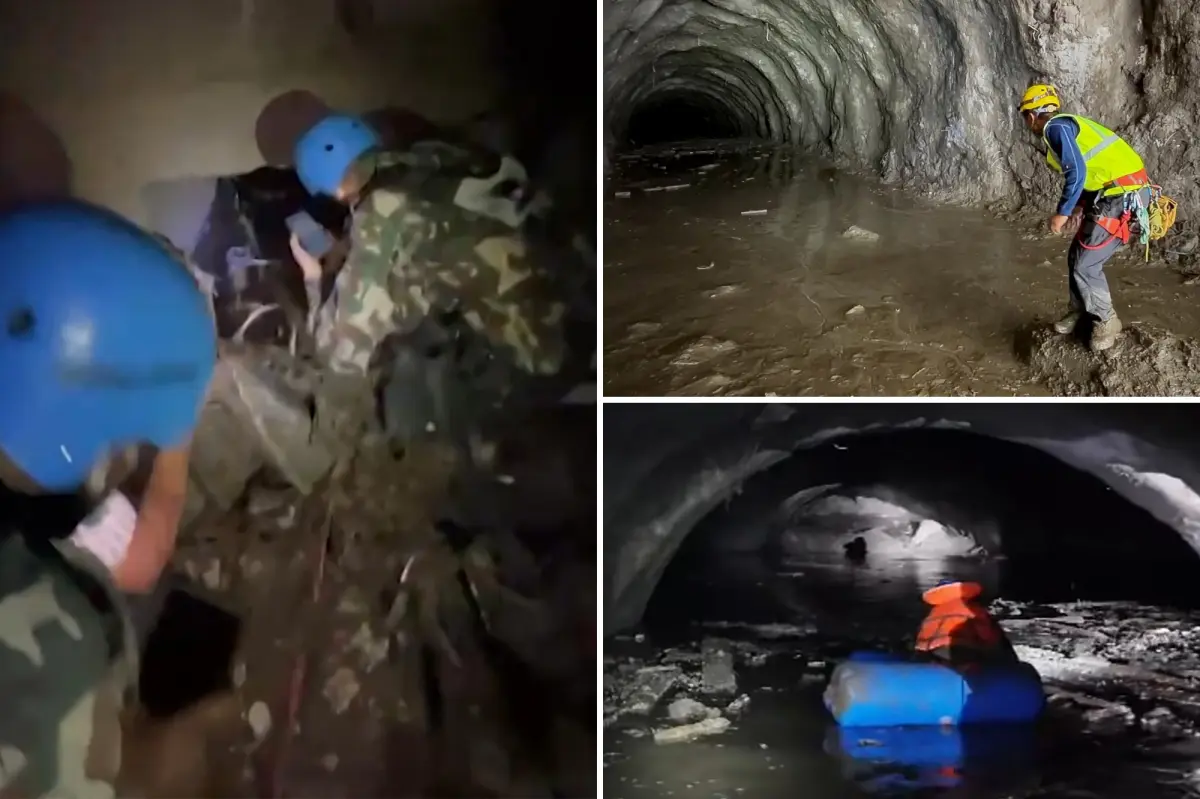
In Nepal on Monday, rescue crews worked urgently to reach hundreds of workers believed to be trapped inside tunnels at hydropower sites that had been engulfed by mud.
Disaster experts warn that the first 72 hours are often the most crucial, because survival odds decline sharply when people cannot get clean water.
A key question, said Jennifer Horney, a disaster epidemiologist at the University of Delaware, is whether the tunnels had emergency procedures in place for a power failure or natural disaster.
If such plans existed, workers may have been trained to find emergency exits. But Horney noted that the sheer force of the flooding could have packed mud over those routes, making even well-designed rescue plans difficult to carry out.
For those trapped underground, clean drinking water is the most urgent need, and it remains unclear whether the tunnels had emergency supplies stored inside.
MORE STORY: Family Man’s Fake Success Exposed as Wife Reveals All
“There just really wouldn’t be a way to go much further than the three days without safe, drinkable water,” Horney said.
Access to breathable air is another key to survival. At least one expert said that some workers could have access to oxygen — but six days after the floods, suffocation worries grow.
“These tunnels are big enough to drive trucks through,” said Jakob Steiner, a geoscientist at the University of Graz in Austria based in Dhaka, Bangladesh.
“And from what we understand, they have managed to get oxygen to some of those stuck inside and are trying to rescue them now. It’s a race for time, though, as people need food and water.”
Beyond that, the mental effects of such isolation can also take a toll.
Other important considerations include “whether there are indications of serious injuries” and whether there’s a safe way to deliver water and essential supplies while rescue operations proceed, according to Thomas Chandler, director of Columbia University’s National Center for Disaster Preparedness.
He cited a Himalayan tunnel collapse from 2023 caused by a landslide, where 41 Indian workers were rescued after being trapped for 17 days. They were provided food, water and oxygen through pipes.
The climate inside the tunnels may also play a role. If it’s hot and humid, people could get dehydrated faster.
Those who are rescued may be very weak, so supportive care is important for both physical and mental impacts, according to disaster experts.