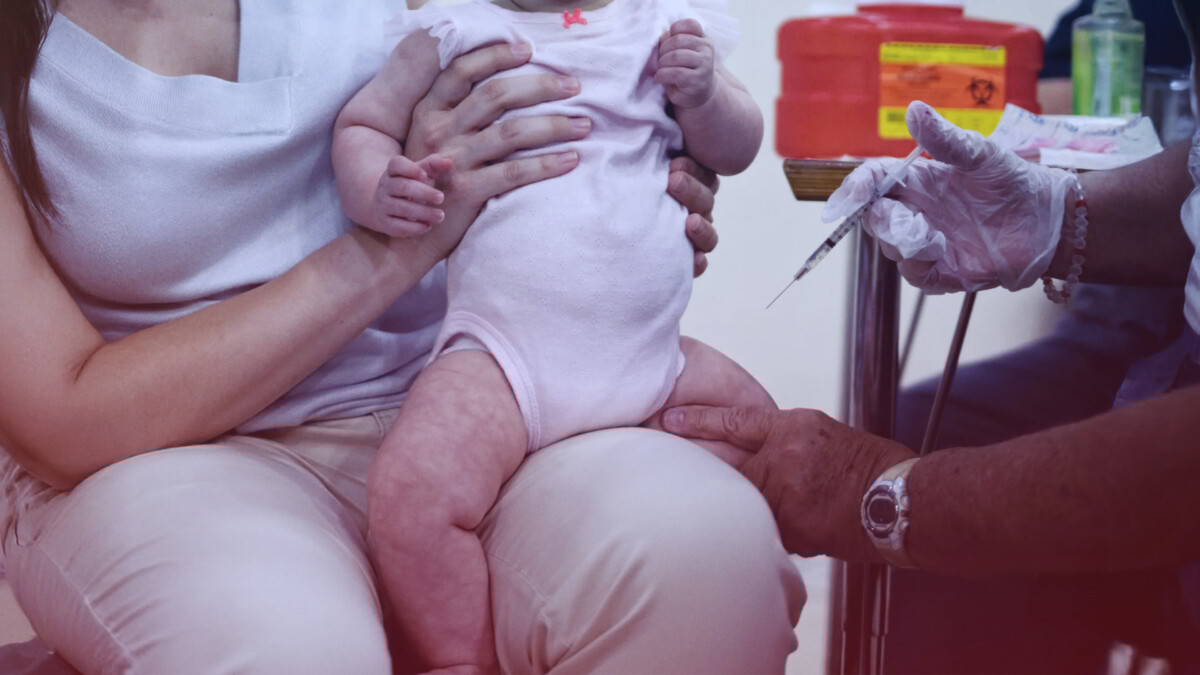
A leaked internal FDA memo has confirmed that COVID-19 vaccines caused the deaths of at least 10 American children, marking the first official acknowledgment from the agency and igniting fresh outrage over years of regulatory stonewalling.
Dr. Vinay Prasad, the head of the FDA’s Center for Biologics Evaluation and Research, has authored a groundbreaking report following an investigation into 96 child fatalities, aged 7 to 16, reported to the Vaccine Adverse Event Reporting System (VAERS) between 2021 and 2024.
In his findings, Prasad identified that “no fewer than 10” of these deaths were directly associated with the vaccines, predominantly due to myocarditis, which is an inflammation of the heart muscle. He noted, “This is certainly an underestimate due to underreporting, and inherent bias in attribution,” highlighting the complexity of accurately assessing these reports.
The complete memo can be accessed here:
CBER-Email
Prasad did not shy away from the seriousness of his conclusions. “This is a profound revelation,” he stated, marking a pivotal moment as the US FDA acknowledges for the first time that COVID-19 vaccines have caused the deaths of American children.
In light of these findings, Prasad proposed significant reforms to the vaccine approval process. Future vaccine trials targeting pregnant women and other high-risk groups must include these populations in their studies. For pneumonia vaccines, he emphasized the need to prove they prevent the disease itself rather than just generating antibodies. He criticized the current annual flu shot update process as “an evidence-based catastrophe of low-quality evidence, poor surrogate assays, and uncertain vaccine effectiveness.” Additionally, he advocated for dedicated safety studies for multiple vaccines administered together, aligning vaccine regulation with the rigorous standards applied to other medications.
The memo, first reported by The New York Times drew predictable pushback from the mainstream. Outlets quoted vaccine stalwarts like Dr. Paul Offit, Dr. Peter Hotez and former FDA vaccine chief Dr. Peter Marks, all demanding more data while lamenting threats to “vaccine confidence.”
FDA Commissioner Marty Makary finally spoke out during a Nov. 29 interview on “Fox & Friends Weekend“. He committed to releasing the child death data to the public and declared an end to rubber-stamping boosters for healthy children. Still, Makary insisted the vaccines remained vital for protecting older Americans. The Department of Health and Human Services, along with Moderna and Pfizer, refused to comment.
“It makes a mockery of science if we’re just going to rubber-stamp things with no data.”@DrMakaryFDA slams the Biden administration’s approach to vaccines, especially for healthy children. pic.twitter.com/Ts5pXbj2tA
The reaction from vaccine safety advocates was swift and scathing. Children’s Health Defense Chief Scientific Officer Brian Hooker described the memo as a “huge step in the right direction” but warned it represents just the “tip of the iceberg” for broader transparency. “Unfortunately, when profits are at stake, given the corporatization of healthcare in the U.S., compassion and scientific curiosity are thrown out the window,” Hooker told The Defender.
Brownstone Institute founder Jeffrey Tucker praised it as a “mighty breakthrough.” “To be sure, critics have known this for years,” Tucker said. “What’s been missing is any official acknowledgment. This is what forces major media to cover it, and makes it impossible to continue to ignore not only this vaccine harm but possibly many more. This is a major turning point.”
No one hit harder than cardiologist Dr. Peter McCullough, who has long warned about vaccine-induced heart risks. “Prasad’s memo adds to the mounting evidence that the current FDA staffers, including Dr Makary and Dr Prasad have been involved in a cover-up of COVID-19 vaccine deaths among children and adults,” he wrote in an email to The Defender. McCullough demanded immediate action: “The FDA Inspector General supervised by a Special Counsel should launch an investigation. Meanwhile all COVID-19 vaccines should be pulled off the market so more Americans can avoid death after vaccination.”
In a recent post on X McCullough said, “Finally an ethical FDA staffer leaked an internal memo of 96 childhood deaths after COVID-19 vaccination.” He continued, “Still no recall or black box warning, just podcasting and press interviews from FDA commissioner Makary.”
The numbers paint an even grimmer picture. VAERS logged 174 child deaths tied to COVID shots as of Oct. 31, but the system is notoriously incomplete. A 2011 Harvard report found it captures less than 1% of adverse events. Independent researcher Jessica Rose identified 230 deaths in children ages 0-16 from 2021-2025, with 15% occurring on the day of vaccination:
The CDC’s Advisory Committee on Immunization Practices meets Dec. 4-5 to review childhood vaccine schedules, but the damage is done. Public trust in these agencies is obliterated. This leaked confession leaves no room for half-measures: Yank every COVID vaccine from the market today, unleash full investigations into the cover-up, and deliver justice to the bureaucrats and Big Pharma executives who gambled with children’s lives. The body count demands nothing less.