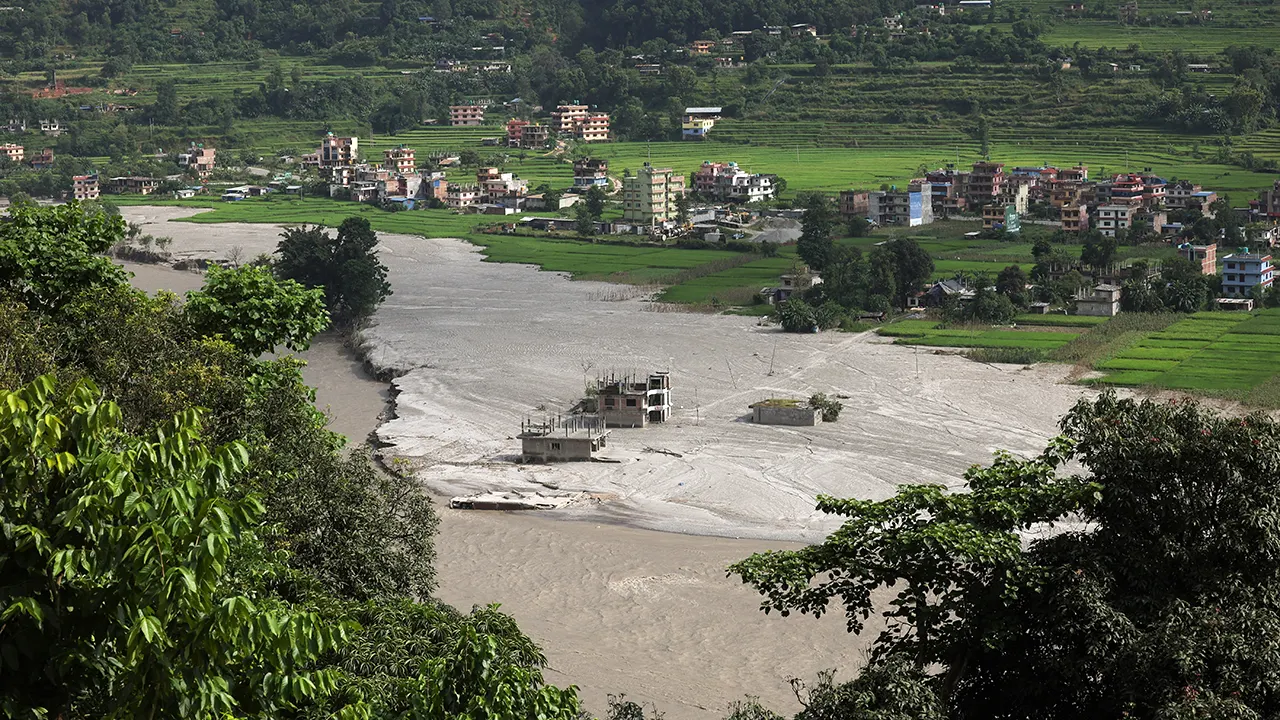
The U.S. State Department said Tuesday that roughly 70 Americans are still unaccounted for near the Nepal-China border after last month’s devastating floods, as rescue and recovery efforts continue in the disaster-hit region. Officials said 18 U.S. citizens have since been confirmed safe.
“We extend our deepest sympathy to all those affected by the flooding in Nepal, and their families, and we reaffirm our enduring friendship with the Nepali people,” a State Department official told Fox News.
The official added that the department is maintaining close communication with relatives of the Americans who remain missing and will continue sharing updates as new details emerge.
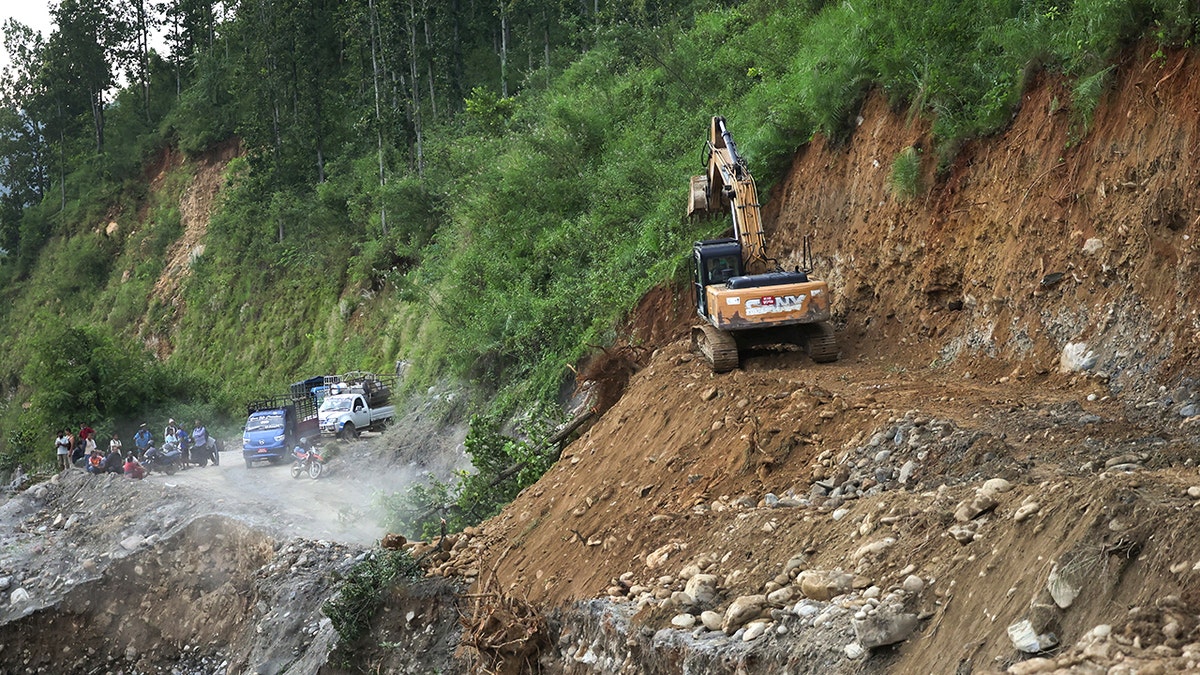
Heavy machinery works to clear a road beside the Trishuli River after deadly flash floods and mudslides struck Nuwakot district in Nepal’s Bagmati province on Sept. 8, 2026. (REUTERS/Anushree Fadnavis)
U.S. officials are also warning Americans to stay away from the affected area, saying conditions remain dangerous and the Nepal flooding disaster zone continues to face the threat of more flash floods and landslides.
The latest figures mark a slight improvement from earlier estimates: the number of unaccounted-for Americans has dropped from 75 to about 70, while the number of those located safely has increased from 16 to 18.
So far, authorities have not confirmed any deaths among American citizens.
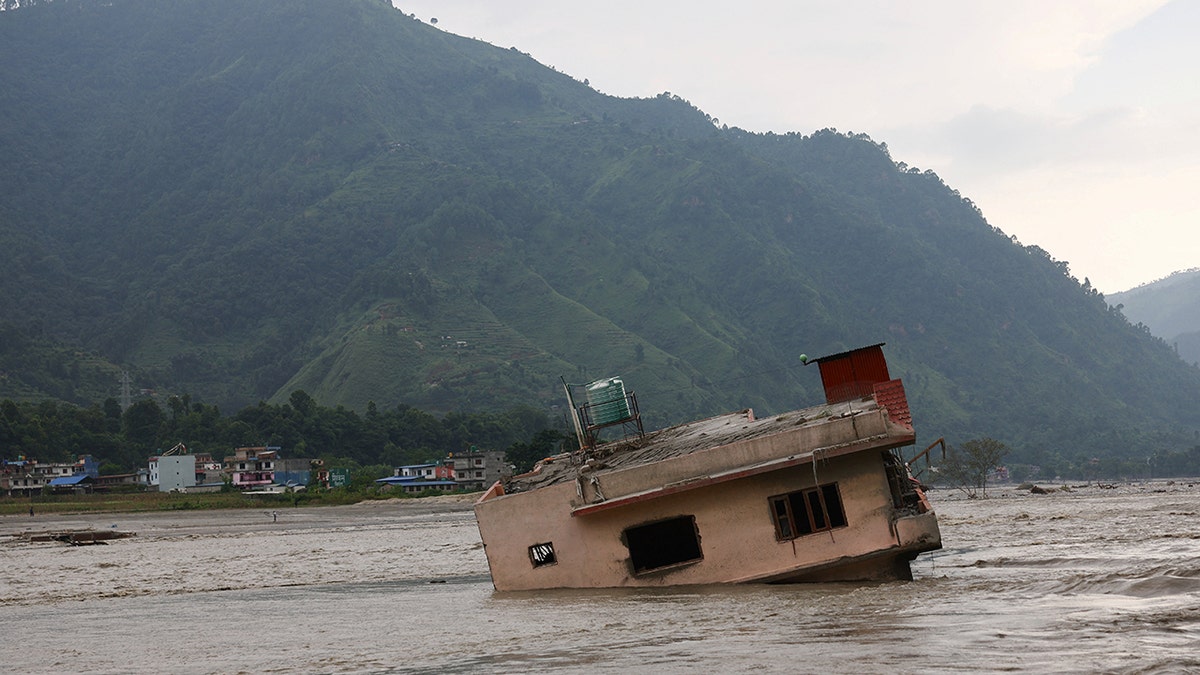
A home sits surrounded by floodwater after deadly flash floods and mudslides caused widespread destruction in Nepal’s Nuwakot district on Sept. 8, 2026. (REUTERS/Anushree Fadnavis)
As search efforts continue, Nepalese authorities said rescuers are concentrating on three hydropower project tunnels where they believe dozens of workers may still be trapped beneath debris left by the Aug. 26 glacier collapse that triggered devastating flooding along the Nepal-China border, according to Reuters.
“Our search operation is focused on finding survivors, including in tunnels. Our bigger focus is on the Chilime hydroelectric project, where we believe people are trapped, because there was a canteen, residency and arrangements for food,” Dharma Raj Upreti, chief of Nepal’s disaster authority, told Reuters.
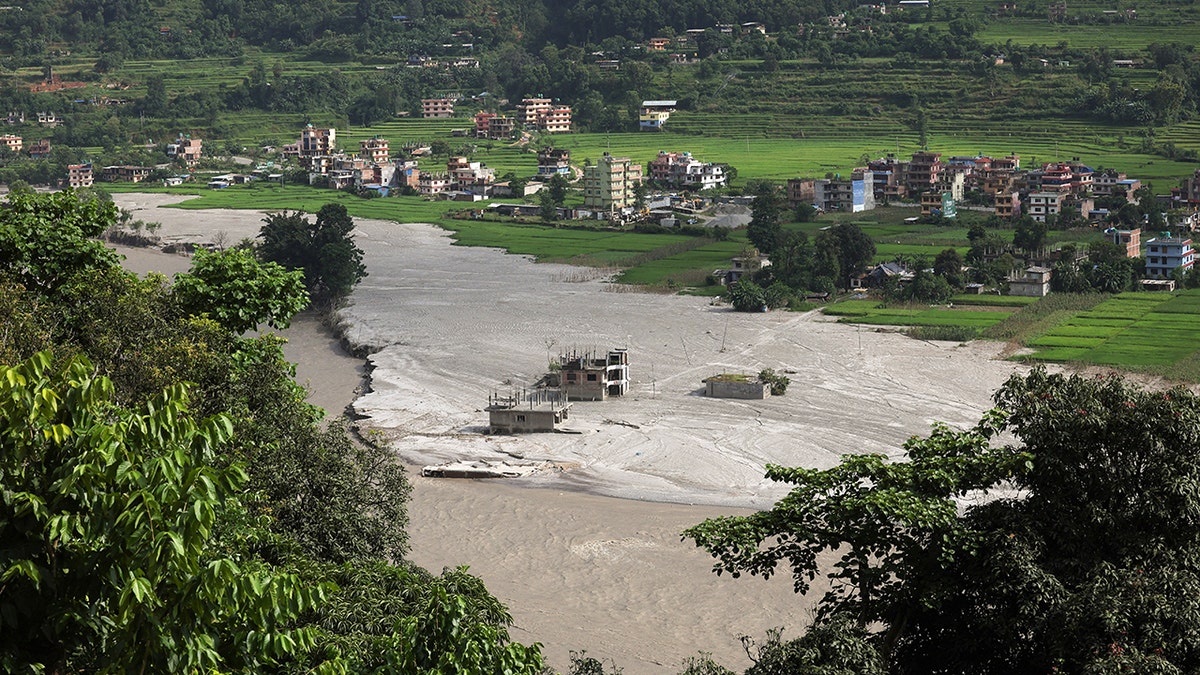
Damaged homes line the banks of the Trishuli River after deadly flash floods and mudslides in Nuwakot district, Nepal, on Sept. 8, 2026. (REUTERS/Anushree Fadnavis)
The disaster has killed at least 1,399 people across Nepal and China’s Tibet region, with more than 5,400 others still missing, according to authorities.
Both governments have blamed climate change for the glacier collapse that unleashed the flooding.