

In April, the U.S. labor market showcased impressive resilience, exceeding expectations as employers successfully added 115,000 jobs across the nation, as per the latest data.
By the numbers
Analysts had anticipated a more modest increase of 65,000 jobs for the month, based on a consensus forecast from FactSet.
The unemployment rate, which has remained above 4% since June 2024, continued to be stable at 4.3% in April.
April’s job growth was primarily driven by the health care sector and transportation/warehousing companies, which added 37,000 and 30,000 positions, respectively. On the downside, federal employment saw a reduction of 9,000 jobs.
This robust performance comes on the heels of a strong March report, where employers increased their payrolls by a revised 185,000 jobs, as reported by the Labor Department.
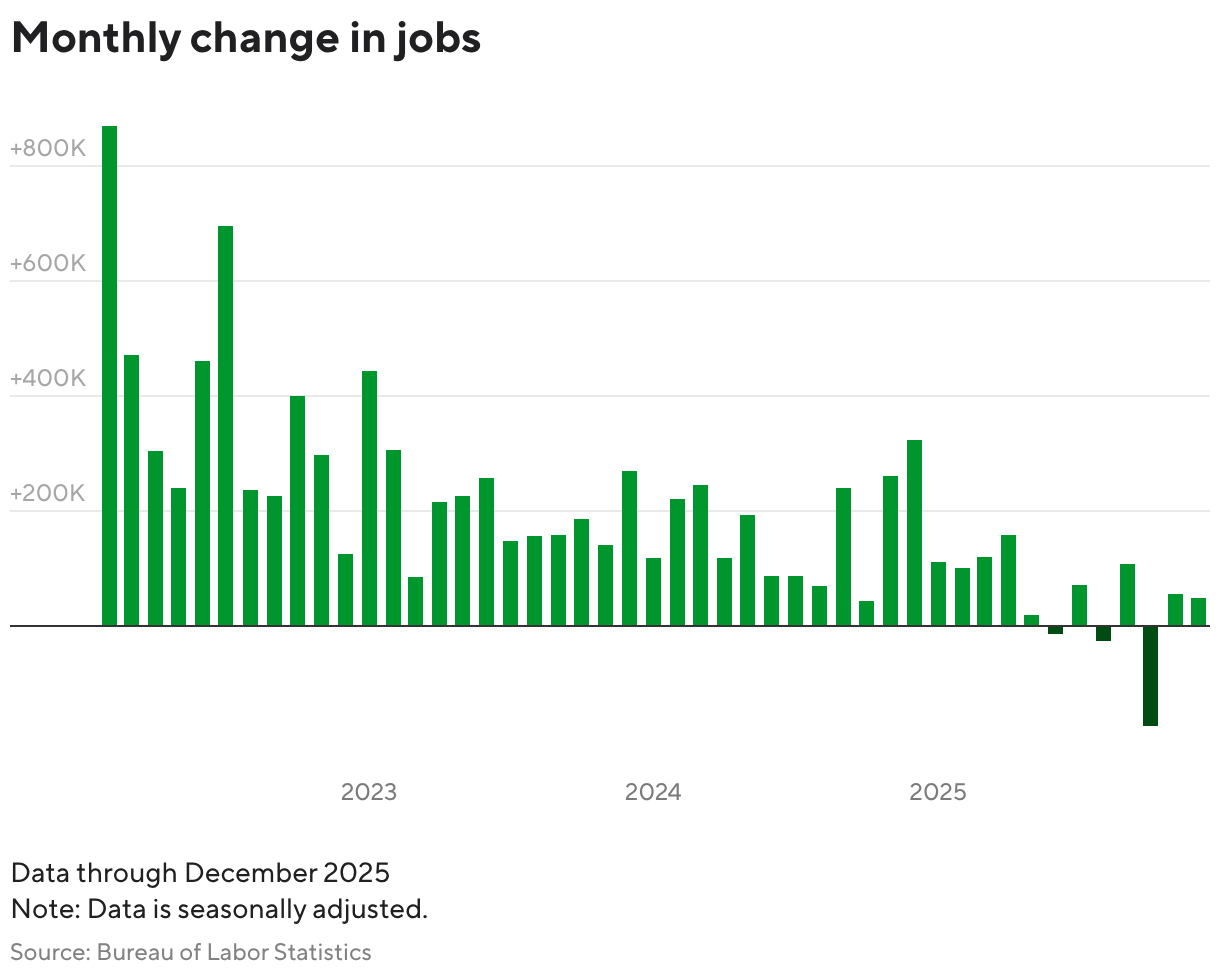
From February to April, employers added an average of 48,000 jobs per month, down slightly from 61,000 over the previous three months. That pace of job growth is sufficient to keep the nation’s unemployment rate stable, according to Thomas Ryan, North America economist at Capital Economics.
What the experts say
Hiring has picked up while layoffs remain relatively subdued, with little evidence so far that the Iran war is affecting the labor market.
“The addition of 115,000 jobs in April continues to highlight the resilience of the U.S. labor market,” said Jerry Tempelman, vice president of economic and fixed income research at Mutual of America Capital Management, in an email. “In spite of higher gas prices, we’ve seen minimal disruptions to the U.S. economy due to the conflict in the Middle East. In fact, the equity markets continue to trade at or near new highs.”
But, Tempelman added, “This may change, as the impact of higher oil prices and other key commodities, such as fertilizer, drives up costs and may ultimately slow down economic growth.”
According to data this week from outplacement firm Challenger, Gray and Christmas, employers have cut around 300,000 jobs so far this year, about half the number from the same period a year ago.
In April, about one in four companies cited artificial intelligence as the reason for layoffs, a growing trend as businesses seek to speed up workflows and cut costs.
With the latest employment report showing signs of improvement in the labor market, Angelo Kourkafas, senior strategist at Edward Jones, said the Federal Reserve will likely hold off on interest rate cuts as policymakers assess the impact of surging energy costs from the Iran war.
The central bank cuts rates to stimulate the economy, but that can reignite inflation, especially when commodity prices like oil surge or supply chains are disrupted. With inflation still running hot, the Fed has held its benchmark rate steady this year.
In March, inflation rose at an annual rate of 3.3%, mainly due to higher gasoline costs. Prices at the pump have risen more than $1.50 a gallon since the Middle East conflict began in late February, straining household budgets.