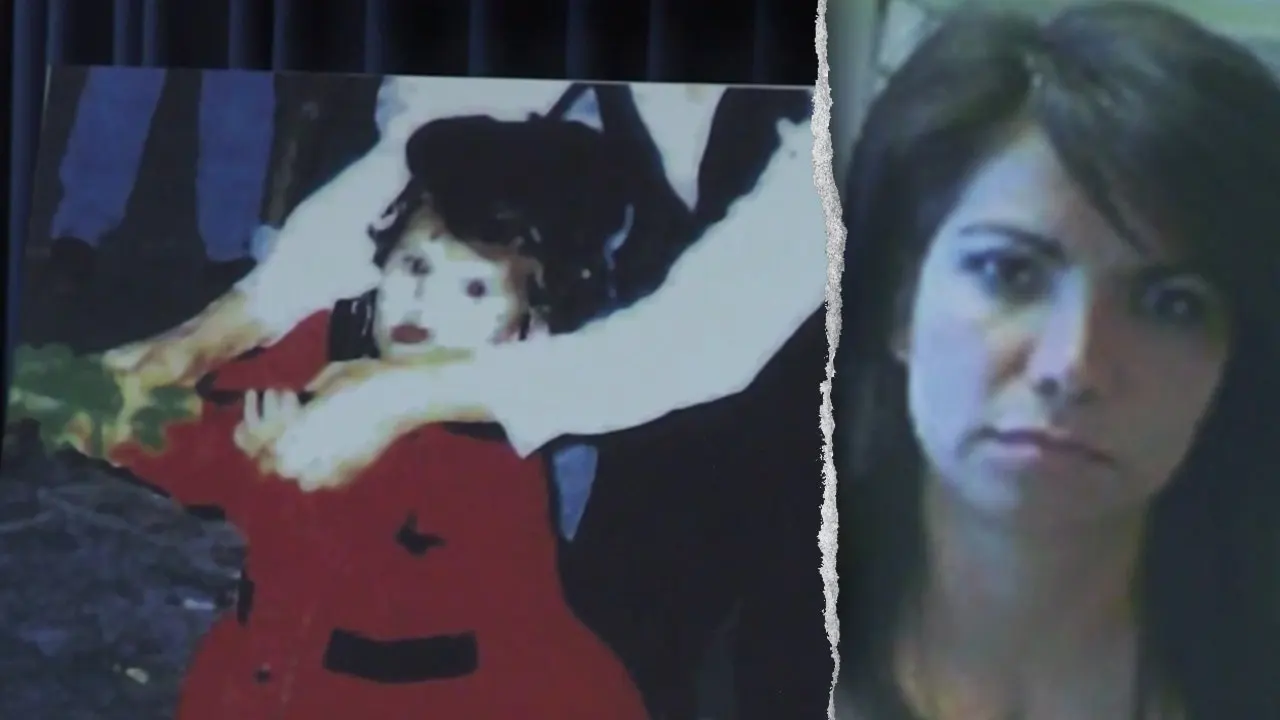

Nearly three decades after her 3-year-old daughter died, a woman has been arrested in Mexico by U.S. law enforcement and charged with first-degree murder.
Anna Marlene Somoza, 60, was taken into custody by the U.S. Marshals Service after spending more than 12 years as a fugitive in Mexico. Authorities said her ties to drug cartels helped her evade capture.
Somoza is expected to be extradited to the United States, where she will face charges in the alleged murder of her daughter, Crystal Reyes, the U.S. Marshals Service said.

Anna Marlene Somoza is accused of killing her daughter. (FOX 10)
According to the agency, Reyes endured severe abuse, torture and starvation before her death.
Reyes was reportedly confined inside a small dog kennel, bound at her hands and feet, gagged and left there for weeks at a time. On Jan. 30, 1997, authorities said she was tied up, suffocated with a towel taped over her face and left to die inside a sealed cardboard box.
The investigation began in November 1998, when a hunter discovered human bone fragments in a remote area of Arizona. Nearly two decades would pass before the remains were identified.
In August 2014, forensic DNA testing confirmed that the fragments belonged to Reyes.
Detectives interviewed Reyes’ biological father and used his DNA to confirm her identity. Investigators then said they had enough evidence to charge Somoza and Avelino Tamala, her boyfriend when Reyes died, with first-degree murder in December 2014.
Tamala was convicted of Crystal’s murder in 2016 and sentenced to life in prison.
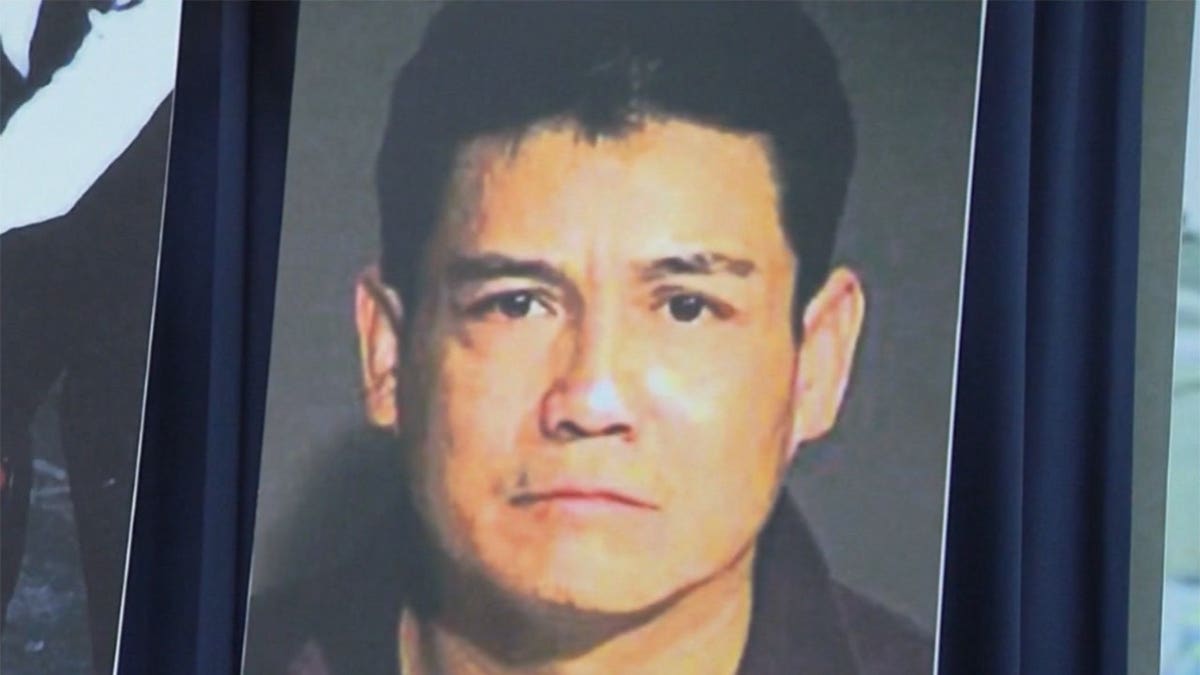
Avelino Tamala was convicted in Crystal Reyes’ murder. (FOX 10)
Somoza, however, had been deported from the United States years earlier.
Criminal past
Before facing charges in her daughter’s death, Somoza had an extensive criminal history. Authorities said she was connected to a major transnational drug-trafficking network operating along the southern Arizona border during the 1980s and 1990s.
After her 1993 arrest for selling and transporting marijuana, Somoza agreed to work as a confidential informant for an Arizona law enforcement agency.
The arrangement led her to meet Tamala, a narcotics detective. The U.S. Marshals Service said the two later began “an improper romantic relationship.”
Reyes was born in Mexico in 1993. Not long afterward, she and Somoza moved in with Tamala in Arizona, according to the agency. Tamala was not Reyes’ biological father.
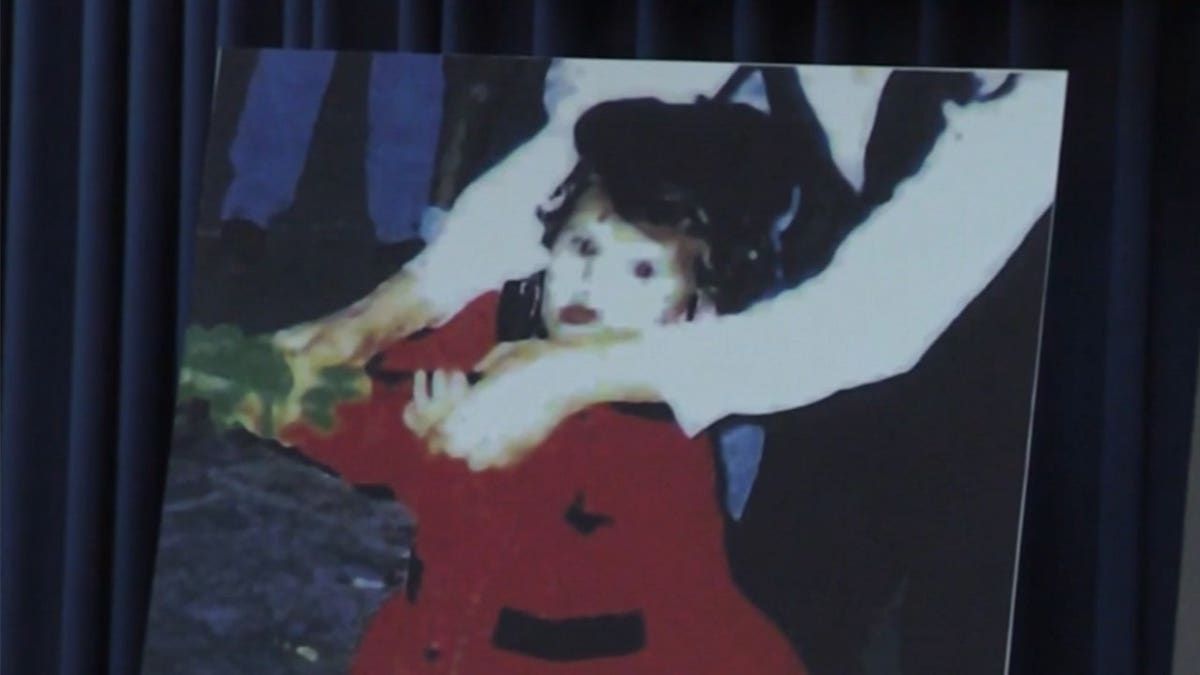
Crystal Reyes’ remains were identified in 2014. (FOX 10)
The abuse may have gone undetected in part because Reyes was not attending school, said Stacy Vaughan, vice president of growth and prevention at Childhelp, an organization focused on preventing child abuse.
“Most reports in our country come through the education system — teachers, counselors and schools,” Vaughan told News Outlet.
Vaughan said cases like Reyes’ might be prevented through modern legislation now in place in the United States.
“In the past 20 years, many states have passed laws not only mandating that professionals report any suspected abuse, but…every adult over the age of 18 is considered a mandated reporter.”
Cold case
In 1999, the year after Reyes’ remains were found, Somoza and Tamala were arrested on drug- and weapon-related charges.
Somoza served eight years in federal prison and was deported in 2008.
After the child’s remains were connected to her as the mother in 2014, investigators from five state and federal agencies began to search for her.
She’d “taken deliberate and extensive measures to evade detection by law enforcement while remaining at large,” according to a statement from the U.S. Marshals Service.
In October 2022, authorities obtained an arrest warrant that would allow them to extradite her back to the United States. But they still needed to find her.
In 2026, the search for Somoza was designated a major case, “dedicating additional manpower and resources to the investigation,” according to the U.S. Marshals Service.
In early September, the agency learned that Somoza was “actively evading detection” in Cuernavaca, Mexico, the agency said.
On Oct. 18, Mexican law enforcement officers caught her in Xochitepec, Mexico.
Possible ‘pause button’
The U.S. Marshals Service now will work with the Mexican government to extradite Somoza to the United States, Russell Lorfing, a former federal prosecutor, told News Outlet.
They have “diplomatic assurances,” Lorfing said. “But she will physically be handed over, and U.S. marshals will have to fly to Mexico. Or they’ll arrange a coordinated kind of border handover.”
The extradition process usually takes 14 days when it’s within the United States, Lorfing said. But international operations can take months. And they can stretch into years, if the defendant challenges the charges.
Somoza “has a right to challenge it under the federal system,” he said.
That’s done through an amparo, an appeal that challenges her fundamental constitutional rights.
“These amparos are a big deal in Mexico,” he said. “It hits the pause button, too. So a three-month extradition can turn into a two-year extradition.”