
New South Wales is preparing to launch Australia’s first state-run gun buyback under a new national firearms reform push, Prime Minister Anthony Albanese announced Sunday. The program follows the deadly shooting at a Hanukkah celebration in Sydney, where 15 people were killed.
Albanese and New South Wales Premier Chris Minns said the buyback will begin November 2. In its opening phase, owners who surrender eligible firearms will receive set payments of between $450 and $1,000 for each weapon, depending on the firearm category. A later phase will create a valuation process for select higher-value firearms, with compensation capped at $10,000 per gun.
The Albanese government, which is center-left, introduced new gun-control measures in January after the December 14 attack at a Bondi Beach Hanukkah event. Those reforms included the buyback plan as well as stricter national firearms rules. New South Wales also tightened its own gun laws in December, while federal lawmakers moved to strengthen legislation addressing hate speech and extremism.
Authorities have said the two alleged shooters used firearms that had been legally obtained. According to the Australian government, the country had a record 4.1 million firearms last year, including more than 1.1 million in New South Wales, Australia’s most populous state.
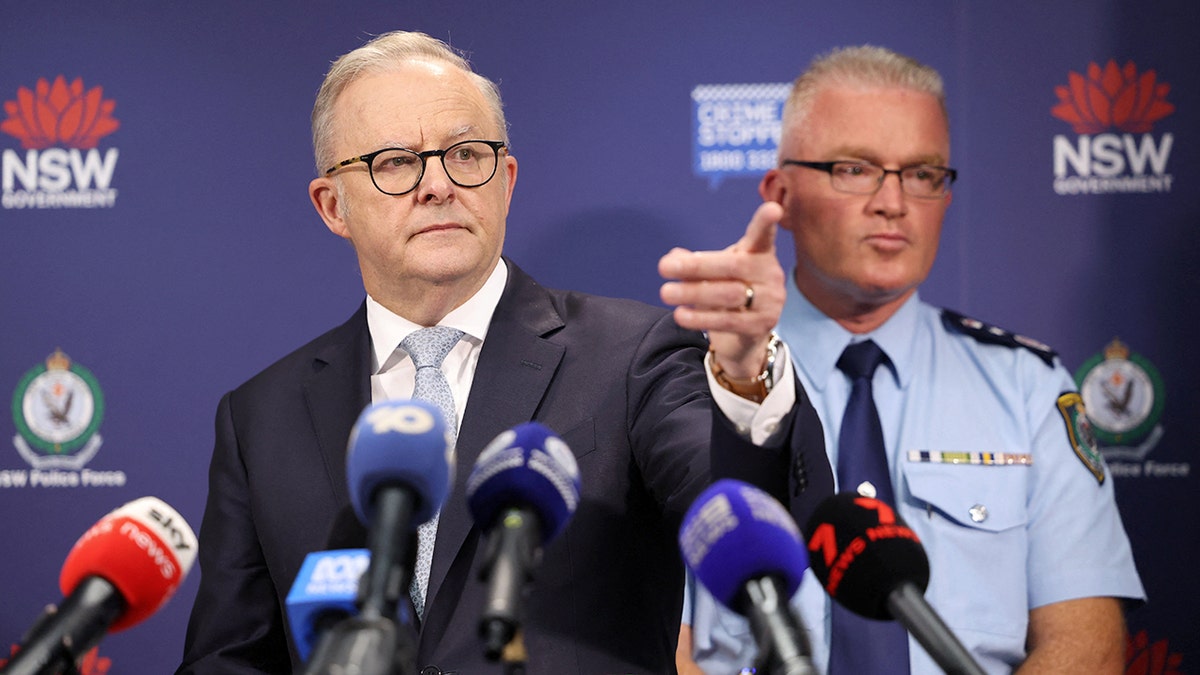
Australian Prime Minister Anthony Albanese’s government passed new gun-control laws in January following the December 14 attack at a Hanukkah celebration in Bondi Beach. (Hollie Adams/Reuters)
“We must do everything we can to make sure the antisemitic terrorist attack in Bondi doesn’t happen again. That includes meaningful nationwide gun reform,” Albanese said in a statement.
The new buyback is expected to become Australia’s largest since the landmark national firearms surrender program launched after the 1996 Port Arthur massacre in Tasmania, where a gunman killed 35 people.
“Australians are quite rightly proud of our gun laws, but the fact is there are more guns in Australia today than there were at the time of dealing with the Port Arthur gun buyback,” Albanese said.
New South Wales generally limits individual firearm ownership to four guns under restrictions sparked by the Bondi Beach attack, with exemptions allowingcertain licence holders, including some primary producers, sport shooters and others with specified genuine reasons, to possess more firearms. It estimates that up to 274,000 registered firearms — about 24% of the total number of registered firearms in New South Wales — and about 50,000 license holders are affected by the new limits on gun ownership and reclassification of some types of firearms.
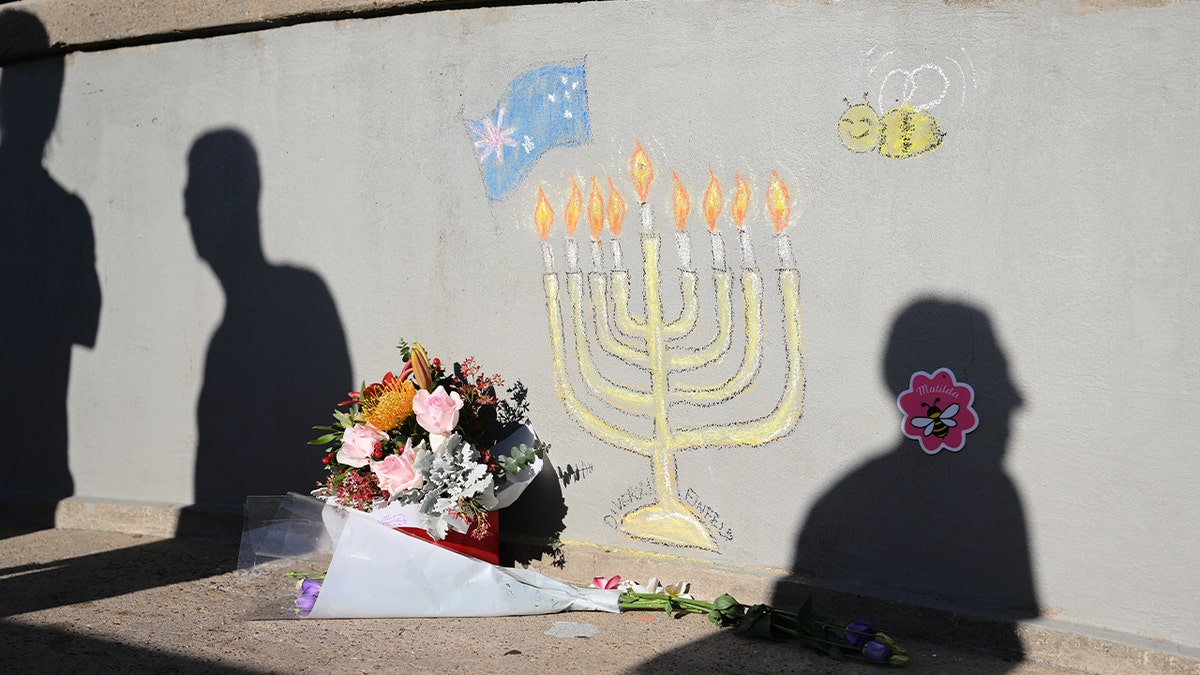
Australia’s government said there was a record 4.1 million firearms in the country last year, including more than 1.1 million in New South Wales. (Steve Markham/AP Photo)
“After Bondi, we promised the people of New South Wales we would introduce the toughest gun laws in the country, and that’s exactly what we did,” Minns said. “The next step is getting the guns that are no longer permitted under those laws out of circulation and permanently off our streets.”
“There are potentially hundreds of thousands of firearms affected by these changes,” Minns added. “We want those guns handed in, compensated for and safely destroyed. This is a big undertaking, but the principle behind it is simple: fewer dangerous guns in our community means a safer New South Wales.”
The attack was allegedly carried out by a father and son who police believe were inspired by the Islamic State.
The 50-year-old father, Sajid Akram, was shot and killed by police at the scene, while the surviving suspect, Naveed Akram, 24, has not yet entered pleas on a slew of charges, including 15 counts of murder. Authorities have charged him with 59 offenses in total, including committing a terrorist act and 15 counts of murder.
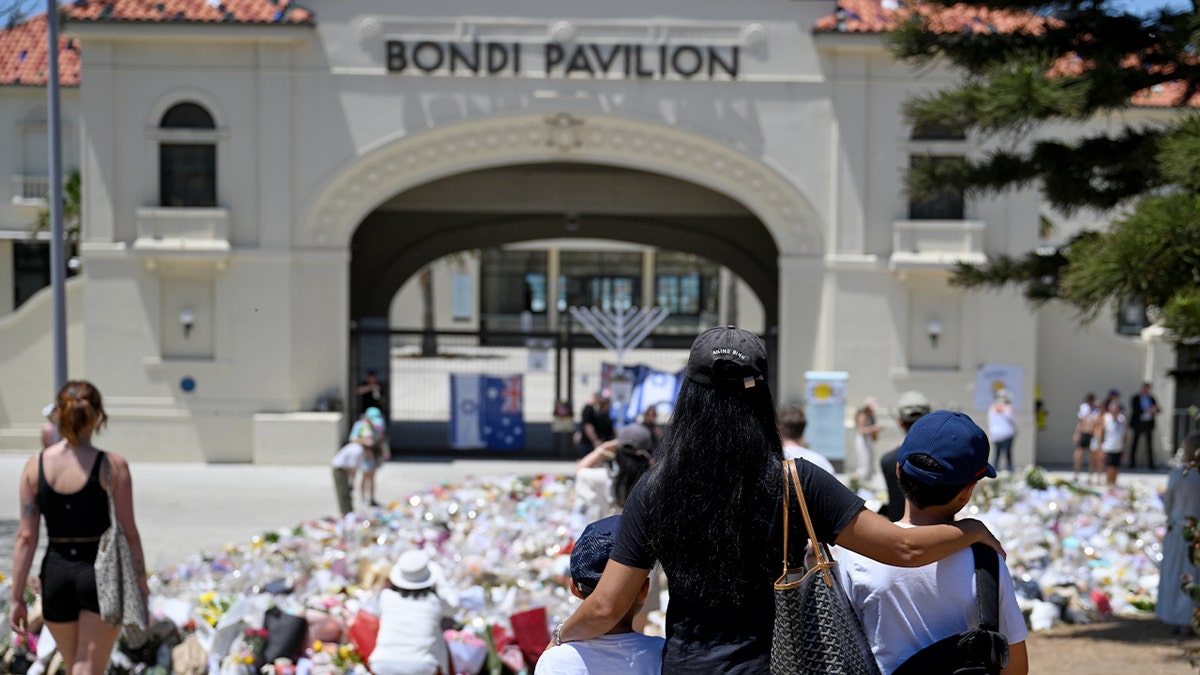
The attack was carried out by a father and son who police believe were inspired by the Islamic State. (Steve Markham/AP Photo)
A man identified as Ahmed al Ahmed has been praised as a hero for tackling and disarming one of the gunmen. He suffered gunshot wounds in the incident and is still recovering.
“After the tragedy at Bondi, we committed to dealing with the motive and the method,” Minister for Home Affairs Tony Burke said. “Since then, we have strengthened our hate crimes and hate speech laws, which are now the strongest in our country’s history.”
“Today we continue the proud Australian tradition of sensible gun reform designed to protect our community from weapons which have no utility other than to cause harm.” he added.