
Share this @internewscast.com
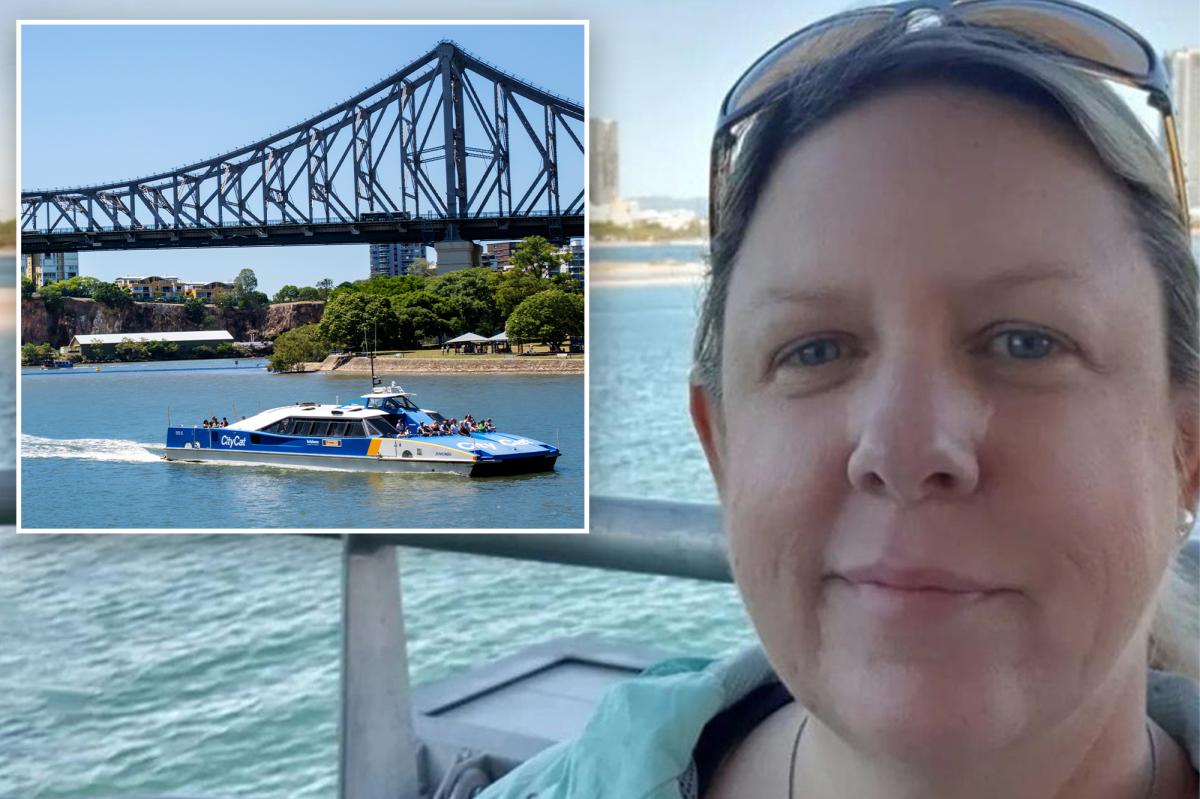
A veteran employee of Brisbane’s CityCat service found herself out of a job after a tribunal supported her termination following a year marked by significant absenteeism.
Jodie Daunis, who had dedicated several years to serving as a customer service representative on Brisbane’s renowned ferries, was dismissed in July of the previous year by the transport conglomerate, Kelsian Group.
Tribunal records revealed that Daunis had accumulated an astonishing 114 sick days within a single year.
The company determined that her persistent medical issues rendered her unable to consistently fulfill her river-based duties.

Her health challenges intensified around April 2024, as she was diagnosed with deep vein thrombosis, leading to frequent blood clots, inflammation, and chronic pain.
In November that year, medical professionals recommended surgery; however, she ended up on a public hospital waitlist when her insurance company refused to cover the procedure.
Then on April 6, 2025, Daunis was hospitalized with DVT and spent about a week away from work.

When she returned, she managed only two shifts before the pain made performing her duties difficult, the Fair Work Commission heard.
Later that same month, Daunis informed the company’s people and culture manager that both a vascular surgeon and a blood specialist had advised she remain off work for the next three months.
In June, she underwent an independent medical examination — but what that report actually meant soon became the subject of fierce disagreement.
Daunis and the Maritime Union of Australia argued the assessment indicated she could return to work after her planned surgery. Kelsian, however, interpreted the report very differently, saying it showed she could not perform the essential duties of her ferry role.
The company also maintained that allowing Daunis to work reduced hours would have created ripple effects across staff rosters, forcing other workers to fill the gaps.
By July 1, the situation reached breaking point. Kelsian terminated Daunis’ employment, stating it could not modify her role to accommodate the medical restrictions she faced.
She challenged the decision but the Fair Work Commission ultimately sided with the ferry operator.
Commissioner Chris Simpson ruled that the June medical report “fell well short” of proving Daunis would be able to return to her full duties any time soon.
“I do not accept that the (independent medical examination) report conclusively determined that Ms Daunis could fulfil the inherent requirements of her role in the future. I am satisfied that the evidence does not support such a conclusion.”
He also agreed with the company that its rostering system made reduced hours unrealistic.
“I accept, taking into account the nature of the working arrangements, and the impact on other staff, and cost to the respondent (Kelsian Group) in making accommodations as proposed for Ms Daunis that they are not practical or reasonable in this case and that there was no reasonable adjustment that could have been made to Ms Daunis’ role to accommodate her current or future incapacity given the nature of her role,” he said.