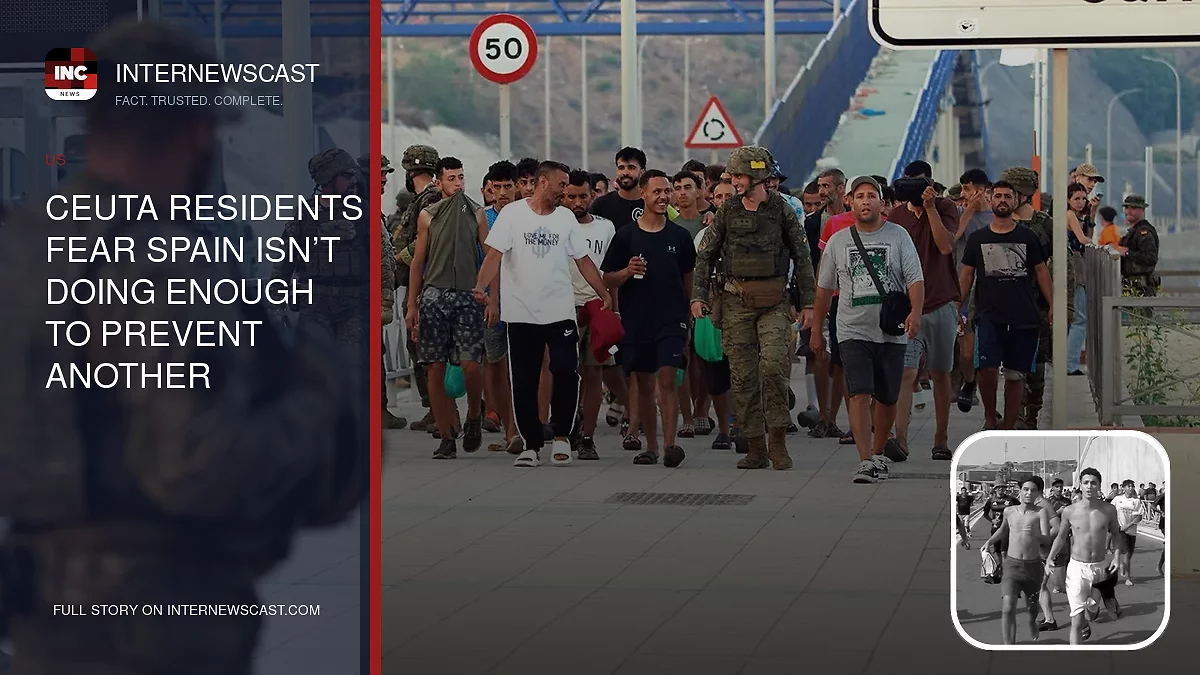

People living in Ceuta, Spain’s North African enclave on the Moroccan border, fear authorities are failing to do enough to stop another large-scale migrant surge after roughly 70,000 people entered the city on July 30, conservative Spanish journalist Javier Negre told News Outlet.
“The local citizens, they are really sad,” Negre said in an interview with News Outlet, adding that the frustration cuts across political lines. “No matter if they are left or right,” he said, residents describe daily life in Ceuta as increasingly difficult.
According to Negre, some residents have pointed to alleged crimes involving migrants, including robbery and attempted rape. He said many migrants are sleeping outdoors, leaving locals feeling anxious and unsafe.
Negre argued that Spain and the wider European Union need governments willing to take a tougher approach to illegal immigration. He said taxpayers expect public services such as healthcare and social security to function properly, claiming that the pressure from illegal migration has overwhelmed hospitals, universities and schools. “It’s not fair for the Spanish people,” he said.

Migrants run and celebrate as they enter Spain’s North African enclave of Ceuta from Morocco on foot, after swimming from the Moroccan side and overwhelming officers at the city’s breakwater, according to Spain’s Guardia Civil, in Ceuta, Spain, July 30, 2026. (FARO TV via Reuters)
The concerns Negre described closely mirror remarks made by Juan Jesús Vivas, Ceuta’s mayor-president. During an extraordinary meeting of the European Parliament’s Committee on Civil Liberties, Justice and Home Affairs, Vivas warned that the sudden migrant arrivals endangered public safety and public health while pushing the city’s immigration system toward collapse.
Vivas said the emotional toll on Ceuta’s residents has been profound. “Our population feels sad, helpless, uneasy, fearful and worried — and with good reason,” he said. He added that many residents are now asking whether another mass crossing could happen, and whether the next crisis might push Ceuta “into the abyss,” threatening its identity as part of Spain and Europe.
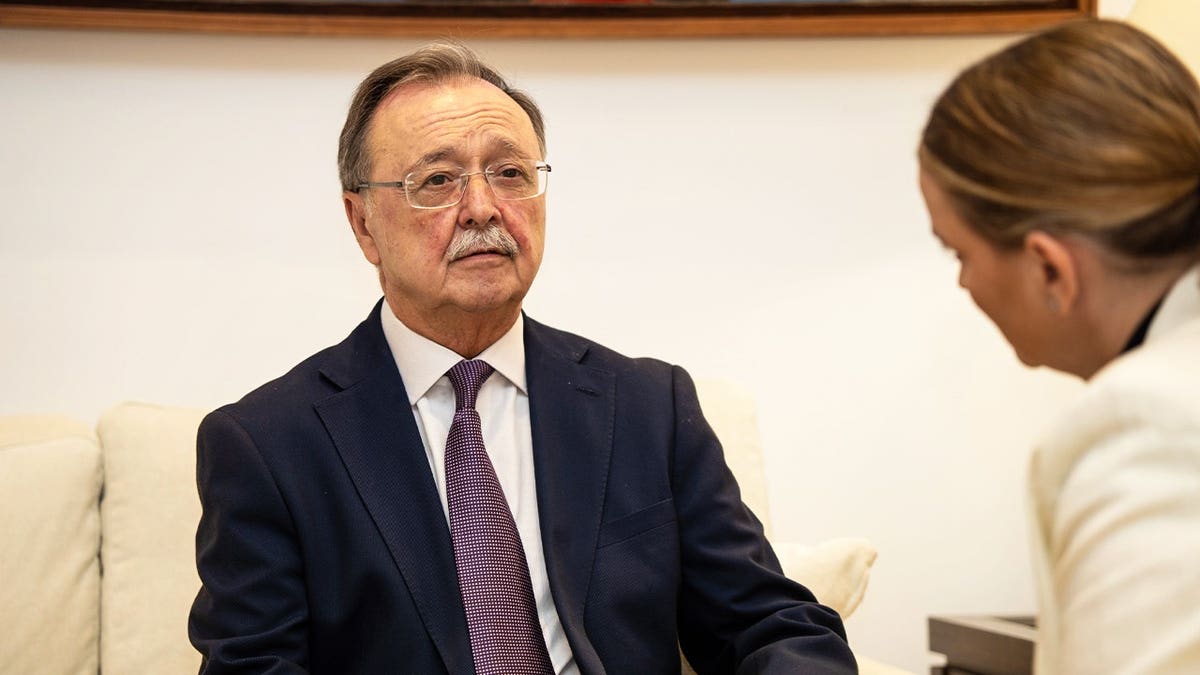
Ceuta President Juan Jesús Vivas is seen during a meeting at the Consolat de Mar on Aug. 6, 2026, in Palma, Balearic Islands, Spain. The meeting took place one week after an unprecedented migration crisis at the border between Ceuta and Morocco. (Javier Fernandez/Europa Press via Getty Images)
Following a circulation of social media messages in Morocco calling for migrants to again rush the Spanish enclave on Aug. 15, both Spain and Morocco beefed up security on their respective sides of the border, in addition to the maritime barriers Spain put up after the initial incident saw migrants swim ashore.
But, Negre said Moroccan officials told him that the increased measures are not enough.
“I know that today the Spanish government and the Moroccan government, they say that they are going to put more police, but it’s not enough,” Negre said.
“We need more police,” he continued. “We need to have more border security because people don’t understand why they’re paying taxes, why they’re giving a lot of money to the state if they can’t block the frontier to these illegal migrants that they are not escaping from a war or a difficult situation,” Negre told News Outlet.

Escorted by the Spanish army, migrants who crossed into Spain return to Morocco from the Spanish enclave of Ceuta on Aug. 1, 2026. (AP Photo/Antonio Sempere)
Negre criticized Spain’s government, led by left-wing Prime Minister Pedro Sánchez and his party, Vox. The journalist pointed to Spanish media reports arguing that Sánchez’s frosty relationship with Morocco may have contributed to the migration incident.
“Pedro Sánchez, who is involved in a lot of scandals of corruption, he went to Algeria, and there are some rumors that maybe the king of Morocco try to promote this illegal invasion to tell the Spanish government, ‘hey, take it easy,'” Negre explained.
Sánchez traveled to Algeria on July 20, 10 days before the migration incident, in an effort to restore diplomatic ties after a freeze in the countries’ relationship over Morocco’s claim to the Western Sahara.
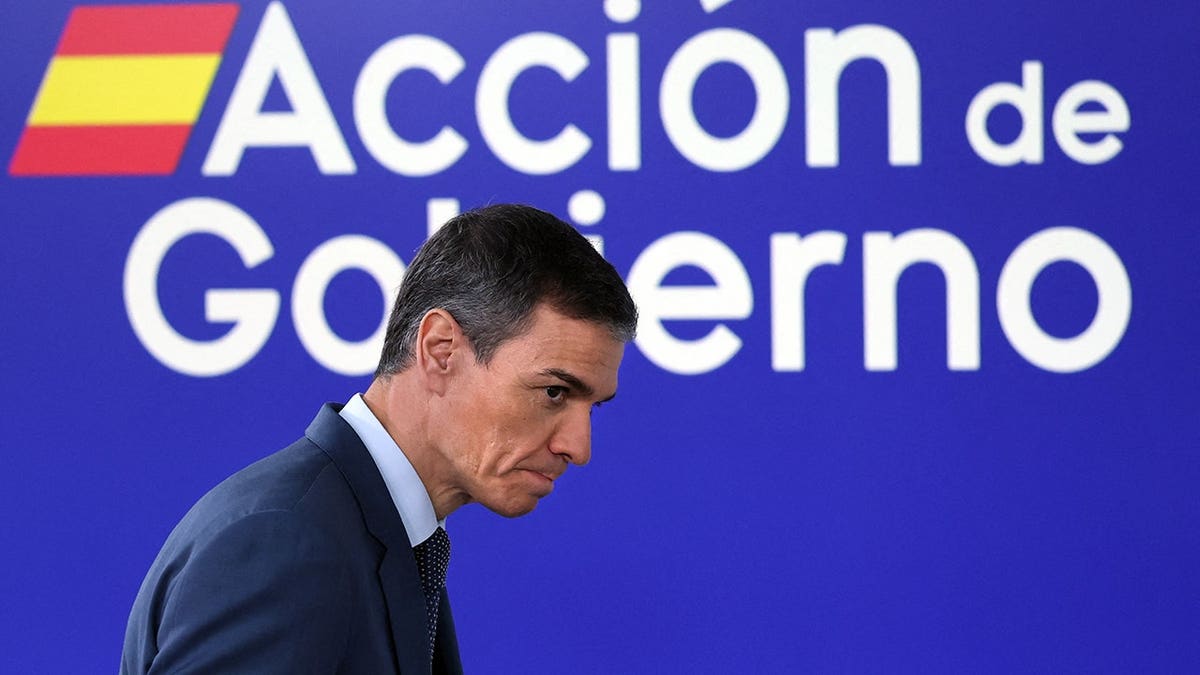
Spain’s Prime Minister Pedro Sanchez arrives to attend a press conference following a cabinet meeting at the Moncloa Palace in Madrid on March 20, 2026. (Pierre-Philippe Marcou/AFP via Getty Images)
Western Sahara, a desolate region in northwest Africa, has long been the focus of hostile relations between Algeria and Morocco. In 2020, the U.S. officially recognized Morocco’s claim of sovereignty over the region.
While Spain does not officially recognize that claim, Sánchez did endorse Morocco’s autonomy plan for the region, which proposes limited self-governance under Moroccan sovereignty to be the “most serious, realistic, and credible basis” for resolving a long-standing dispute between Morocco and Algeria over the territory.
Sánchez revealed his decision in a March 2022 letter to Morocco’s King Mohammed VI, a letter he sent less than a year after another migrant influx from Morocco into Ceuta. During that May 2021 incident, Moroccan border guards appeared to stand down while 10,000 people flooded into Ceuta from the African nation.
While Moroccan officials denied they instructed border guards to stand down, the European Parliament passed a resolution condemning Morocco for the incident, citing statements from Morocco’s Ministry of Foreign Affairs acknowledging that the incident was retaliation for Spain treating the leader of a Western Saharan rebel group at a Spanish hospital.

A view of the border between Morocco and Algeria, seen from Algeria on Jan. 29, 2026. (Hamza Zait/Anadolu via Getty Images)
Negre also took aim at European leadership writ large, contrasting the European Parliament with President Donald Trump.
“Europe is going really bad with illegal immigration, with the open frontiers, completely opposite as the politics of President Trump with border security and deporting all the illegal migrants,” he told News Outlet, while praising Trump’s proposed legislation to require voter identification, the Safeguard American Voter Eligibility Act, known as the SAVE Act.
News Outlet contacted the governments of Spain, Ceuta, Morocco and Algeria for further comment.


