
Inside the preliminary hearing for Charlie Kirk’s accused killer
The preliminary hearing for Tyler Robinson, the man accused in the shooting death of Charlie Kirk last year, is moving forward in Provo, Utah. Fox News correspondent Claudia Cowan reported on surveillance footage that prosecutors say places Robinson at the scene, along with DNA evidence allegedly connecting both Robinson and his roommate, Lance Twiggs, to the suspected murder weapon. Criminal defense attorney Joshua Ritter also weighed in on how the defense may try to challenge what appears to be substantial evidence.
Charlie Kirk’s widow and parents say they were kept from seeing key evidence during the preliminary hearing for the man accused of killing him. In a new court filing, the family argues that victims have a legal right not simply to sit in the courtroom, but to fully observe evidence presented in open proceedings.
Robinson, 23, is accused of assassinating the conservative activist outside a “Prove Me Wrong” event at Utah Valley University in Orem on Sept. 10, 2025. The ongoing preliminary hearing will determine whether the case proceeds to trial.
In a supplemental notice filed Wednesday, Erika Kirk asked a Utah judge to order that all evidence admitted during the rest of Robinson’s preliminary hearing be shown in real time to everyone legally present in the courtroom. The request also asks the court to display again any exhibits admitted during the first three days of testimony that were not publicly visible at the time.
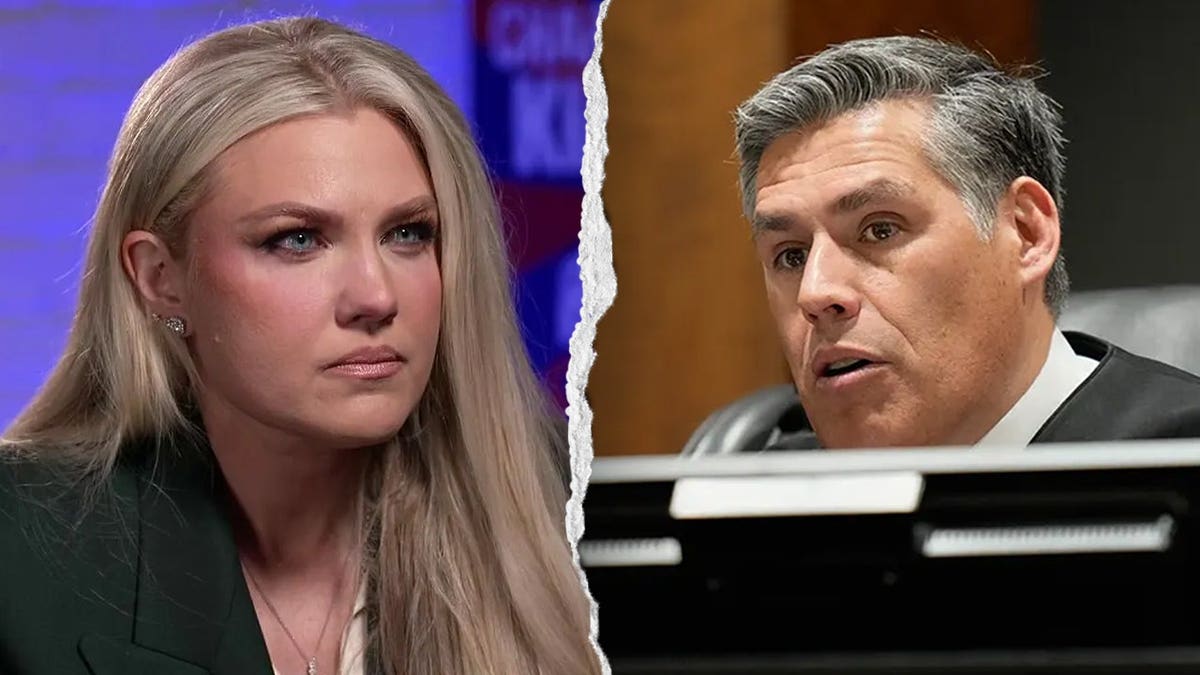
Charlie Kirk’s widow, Erika Kirk, is shown alongside Fourth District Court Judge Tony Graf, who is overseeing the preliminary hearing for Tyler Robinson, the man accused of assassinating Kirk outside a “Prove Me Wrong” event in Orem, Utah. (Fox News ; Francisco Kjolseth/The Salt Lake Tribune via Pool)
ALSO READ: Who is Judge Tony Graf: Biography, Age, Spouse, Salary, and Political Affiliation
The family’s filing states that their position is straightforward: every exhibit entered into evidence at the preliminary hearing should be visible to each person lawfully seated in the courtroom. It argues that accepting evidence in a way that prevents those present from seeing it undermines transparency and risks fueling speculation and conspiracy theories surrounding Kirk’s killing, potentially eroding public confidence in the justice system.
According to the filing, Kirk’s family waited 10 months for the preliminary hearing and traveled to the courthouse expecting to witness the proceedings, only to discover that some evidence introduced during testimony could not be viewed from where they were seated.
Attorneys for the family wrote that while the relatives were physically present in the courtroom, they were denied the ability to meaningfully observe the hearing as evidence was presented.
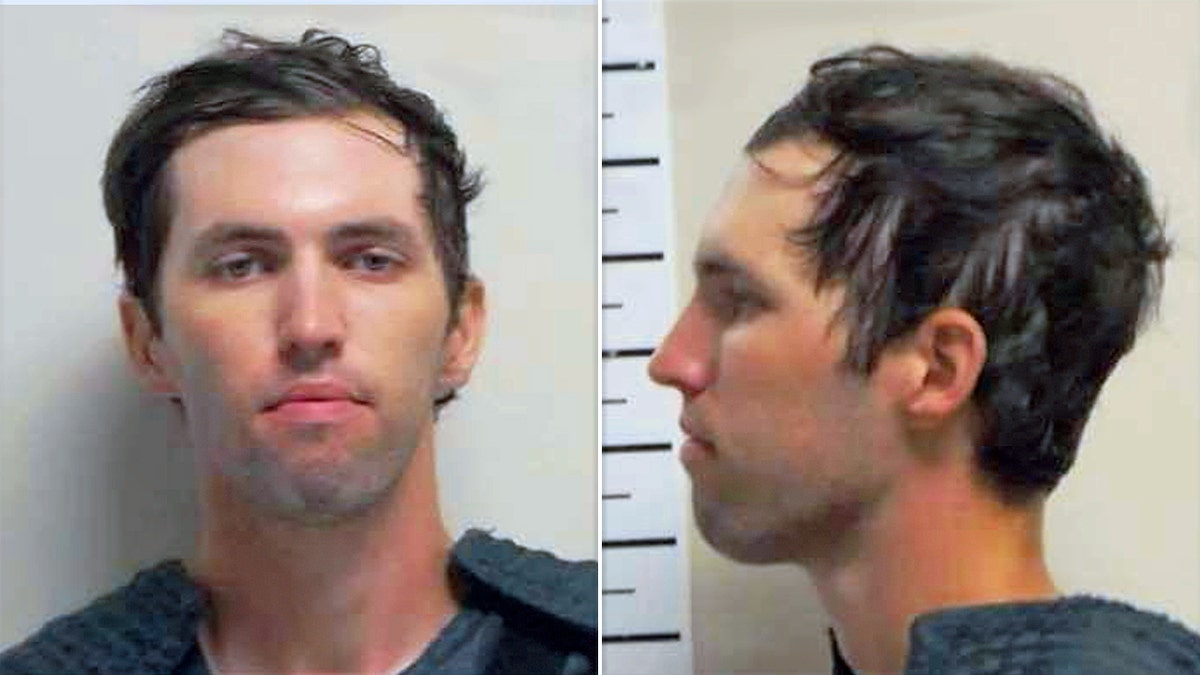
Booking photos for Tyler Robinson, 22, the suspected in the Utah assassination of Turning Point USA founder Charlie Kirk. (Utah Gov. Spencer Cox)
The filing also contends that Utah law guarantees crime victims and their representatives the right to be informed of, present at and heard during important criminal justice proceedings, and argues those protections are meaningless if victims cannot see the evidence being presented to the court.
“The right ‘to be present’ is hollow if the victim or his representative is physically in the room but is prevented from seeing the evidence the Court is receiving,” the document reads. “A right to attend that does not include the ability to perceive what is happening is not meaningful presence at all.”
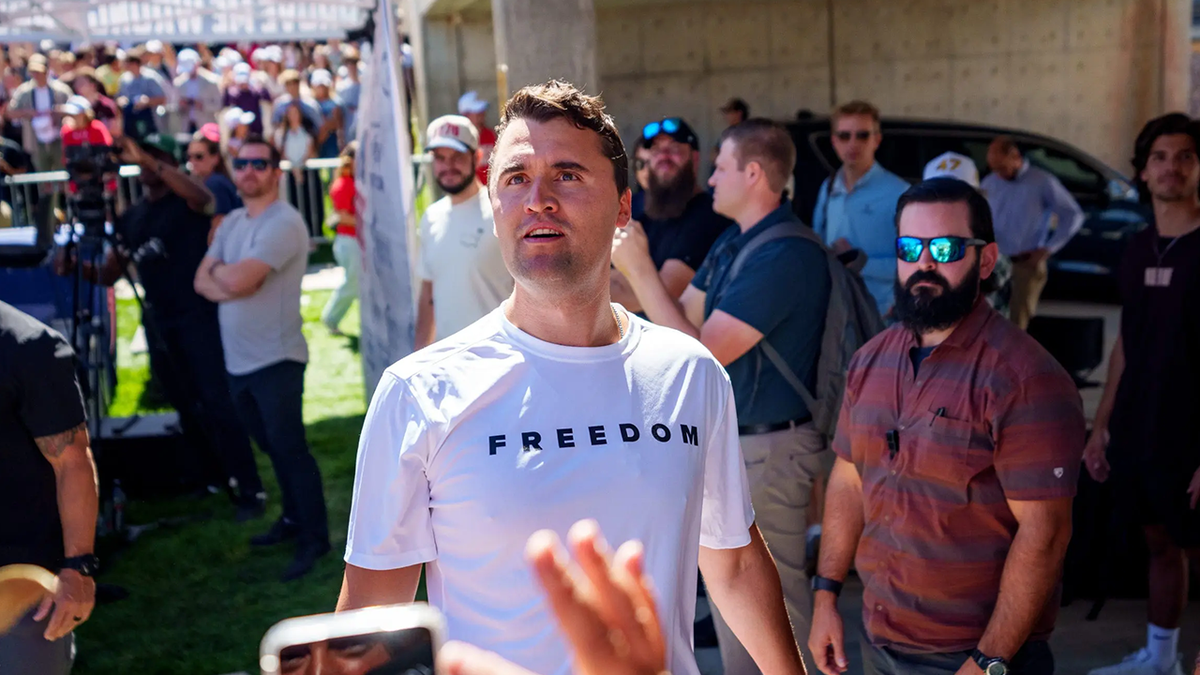
Charlie Kirk was assassinated Sept. 10 during an outdoor event at Utah Valley University. (Trent Nelson/The Salt Lake Tribune/Getty Images)
The filing asks the court to display all previously admitted exhibits that were not shown publicly during proceedings scheduled for July 9 and to require that all future evidence admitted during the preliminary hearing be displayed openly and in real time for everyone lawfully present in the courtroom.
It also asks the judge to prohibit evidence from being received in a manner that conceals it from courtroom observers.
Robinson’s preliminary hearing began Monday and is expected to continue through the week. Prosecutors must establish probable cause for the case to proceed to trial on multiple charges, including aggravated murder, which carries the potential death penalty.