
CHICAGO (WLS) — They run neighborhood businesses, staff factories and serve patients in the healthcare sector. Across the Chicago area, hundreds of Syrians and Haitians have been living in the U.S. with protected legal status — but many now face the possibility of being forced to return to their countries of origin.
At Lior’s Cafe, a family-owned South Side restaurant serving beloved Haitian dishes, the story reflects a broader pattern of entrepreneurship among Chicago residents with roots in Haiti. Many more Haitians arrived after the devastating 2010 earthquake, and today about 350,000 Haitians live and work legally across the United States.
24/7. Click here to watch
“I could name you 50 cities, one per state, where Haitians have set up shop and become contributing members to society in this country,” said Patrick Brutus, co-founder of the Haitian American Professional Network.
Haitians were first granted Temporary Protected Status, or TPS, 16 years ago. Since then, the federal government has repeatedly renewed the designation because of ongoing instability in Haiti. TPS gives people fleeing natural disasters, armed conflict or oppressive conditions permission to live and work legally in the United States.
“The government has increasingly asked these groups to accept TPS rather than go through the lengthy refugee process,” said Dr. Kathleen Arnold, DePaul University Refugee Enforced Migration director.
ALSO READ: Little Girl Dies After Parents Allegedly Let Severe Lice Infestation Go Untreated
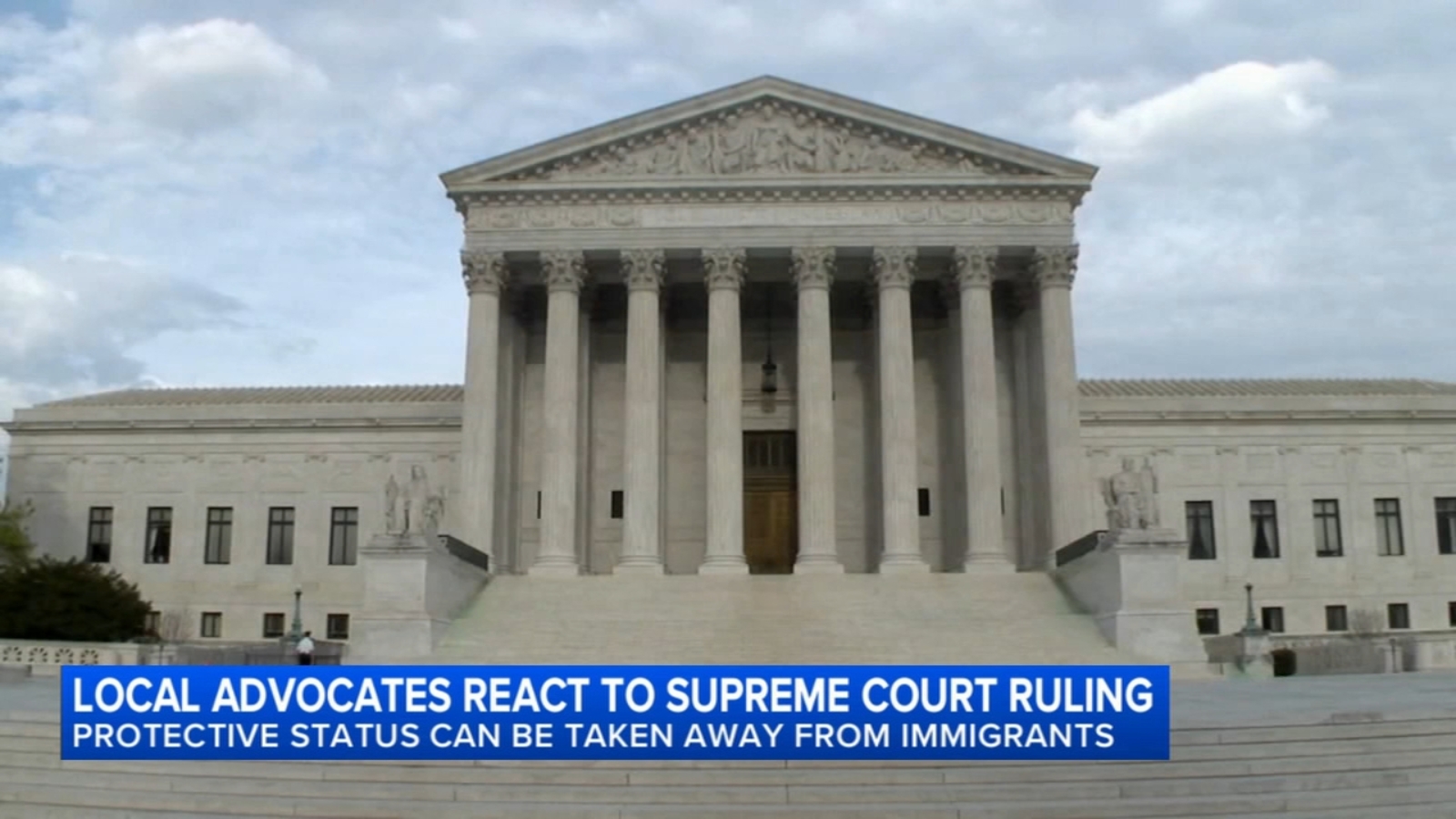
The Trump administration, however, moved to terminate TPS protections for multiple nations, among them Haiti and Syria. The conservative majority on the U.S. Supreme Court sided with that effort. A decision issued Thursday brought an end to the status for thousands of people from the two countries.
“It’s allowing this administration to say, ‘you are not welcome here, regardless of what the immigration laws, and regardless of what international laws provide,'” said Fred Tsao, with the Illinois Coalition of Immigrant and Refugee Rights.
Immigrant advocacy organizations say Haitians and Syrians who held TPS now have no clear legal option to avoid deportation or departure, even if returning means going back to countries widely viewed as unsafe. Because many Haitians in the U.S. are employed in healthcare, service work and other essential fields, advocates warn the impact could be significant. Haitian Americans, meanwhile, describe their community as close, determined and deeply resilient.
“We’re here to, like, be here, to be a resource to those, especially for the families that are going to be impacted by it. So, we want to be here to show the compassion and empathy that you’re not alone,” said Merlyn Jose-Liors Restaurant, with the Daughters of Haiti Organization.
The Trump administration has sought to end TPS for 13 other countries; immigration groups say the Supreme Court opens the door for that to happen.
Copyright © 2026 WLS-TV. All Rights Reserved.