
Climate change is poised to erase roughly $1.47 trillion from U.S. residential property values over the next 30 years, while deepening economic divides across American communities, according to a new report released Monday.
The warning comes as already steep home insurance costs continue to climb, pushing major portions of some of the country’s biggest cities further out of reach for homeowners and buyers, according to a study from the First Street Foundation examining how climate change is reshaping the real estate market. While U.S. property values are projected to fall by nearly $1.5 trillion overall, the analysis also found that some homes in lower-risk or more desirable areas could gain a combined $244 billion in value.
By 2055, weather risks intensified by climate change are expected to drive the average cost of homeowners insurance up 29.4% nationwide, First Street found. The same forces — including extreme heat, wildfires and flooding — are also projected to fuel a massive internal migration, with 55 million Americans relocating within the U.S. over the next three decades, starting with more than 5 million people this year.
“Climate change is no longer a theoretical concern; it is a measurable force reshaping real estate markets and regional economies across the United States,” Jeremy Porter, First Street’s head of climate implications research, said in the report. “Our findings highlight the urgent need to understand how rising insurance costs and population movements are transforming the economic geography of the nation.”
The report points to the nation’s three largest Sun Belt states — California, Florida and Texas — as particularly exposed. Together, they have accounted for more than 40% of the country’s $2.8 billion in natural disaster costs since 1980. Looking ahead another 30 years, First Street projects insurance premiums could rise more than fourfold in Miami, triple in Jacksonville and Tampa, Florida, as well as New Orleans, and double in Sacramento, California.
In some counties across California, Florida and Texas, the data suggests home values could see net losses ranging from 10% to 40% by 2055.
ALSO READ: NYC Business Leaders Can’t Afford to Ignore the Big Apple’s Crime Problem
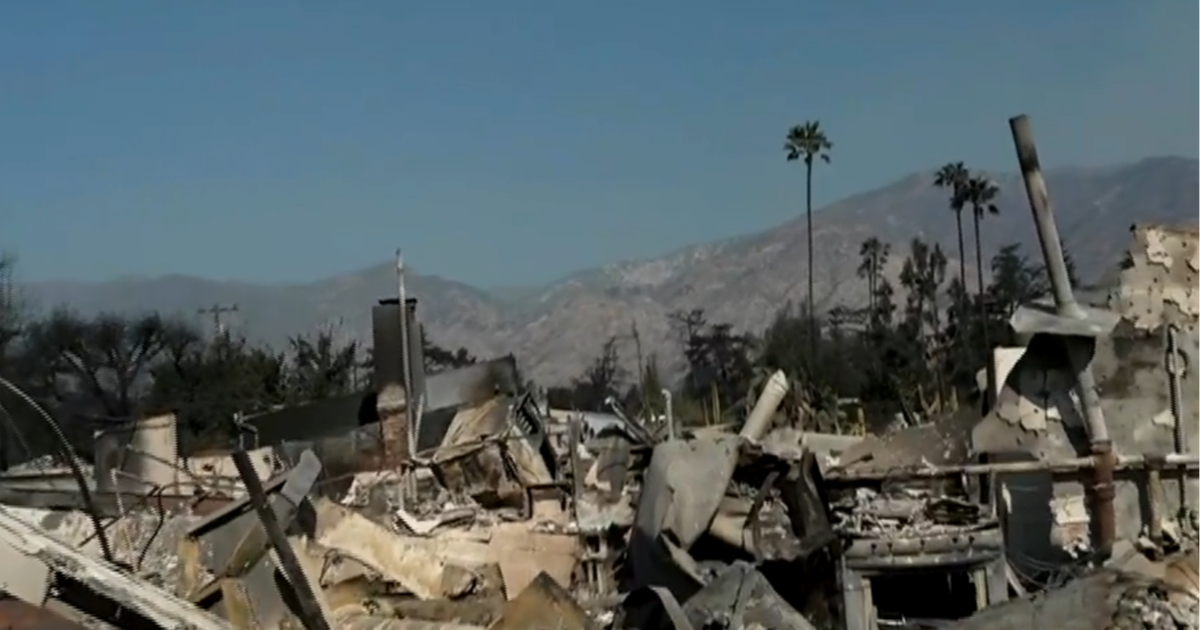
The findings arrive after a devastating month in the Los Angeles area, where wildfires killed dozens of people, forced tens of thousands to evacuate and left thousands of buildings damaged or destroyed.