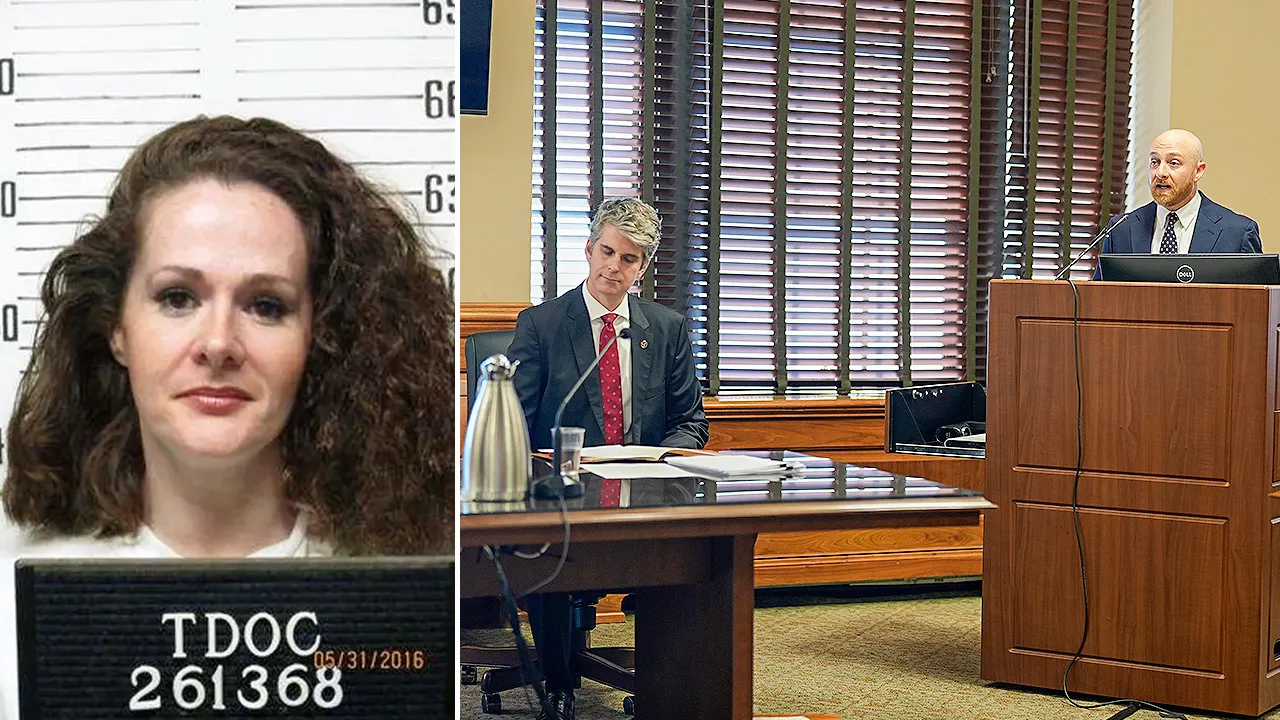
Lawyers for Tennessee death row inmate Christa Pike believed she was “brain dead” and expected doctors to remove her from life support before she unexpectedly regained consciousness Tuesday, nearly a week after the state failed twice to lethally inject her.
“To the shock of everyone, including me, including her team and including the medical team, Christa woke up and began talking,” attorney Randy Spivey told reporters Wednesday after a court hearing in Nashville.
“I do not have an explanation for what happened between Monday night and Tuesday morning, but what we do know is that Christa has a long road to recovery,” he said.
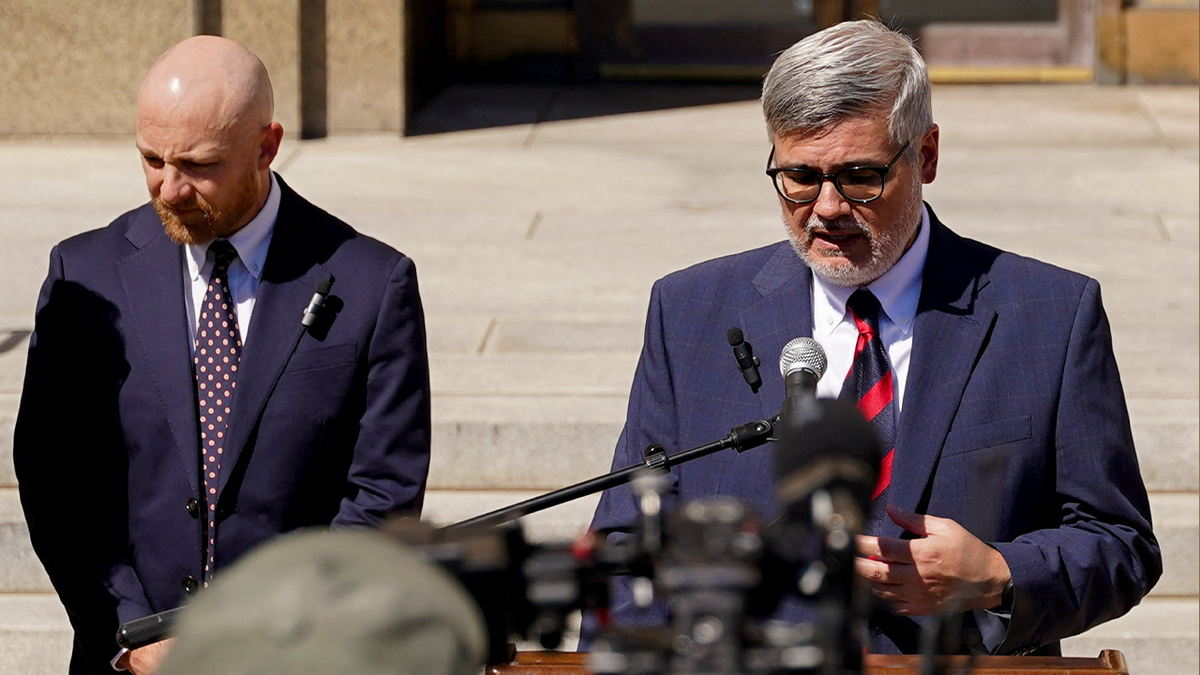
Randy Spivey, an attorney for Christa Pike, a death row prisoner who survived a botched execution, speaks to the media, flanked by Luke Ihnen, after a Tennessee court was presented a status update on Pike, outside a courtroom in Nashville, Tenn., Oct. 7, 2026. (Reuters/Seth Herald)
Pike regained consciousness after remaining on life support since the botched execution on Sept. 30, Spivey said.
According to Spivey, Pike’s first words were “Where am I?” and “Who are you?” She remains confused and is facing a lengthy recovery.
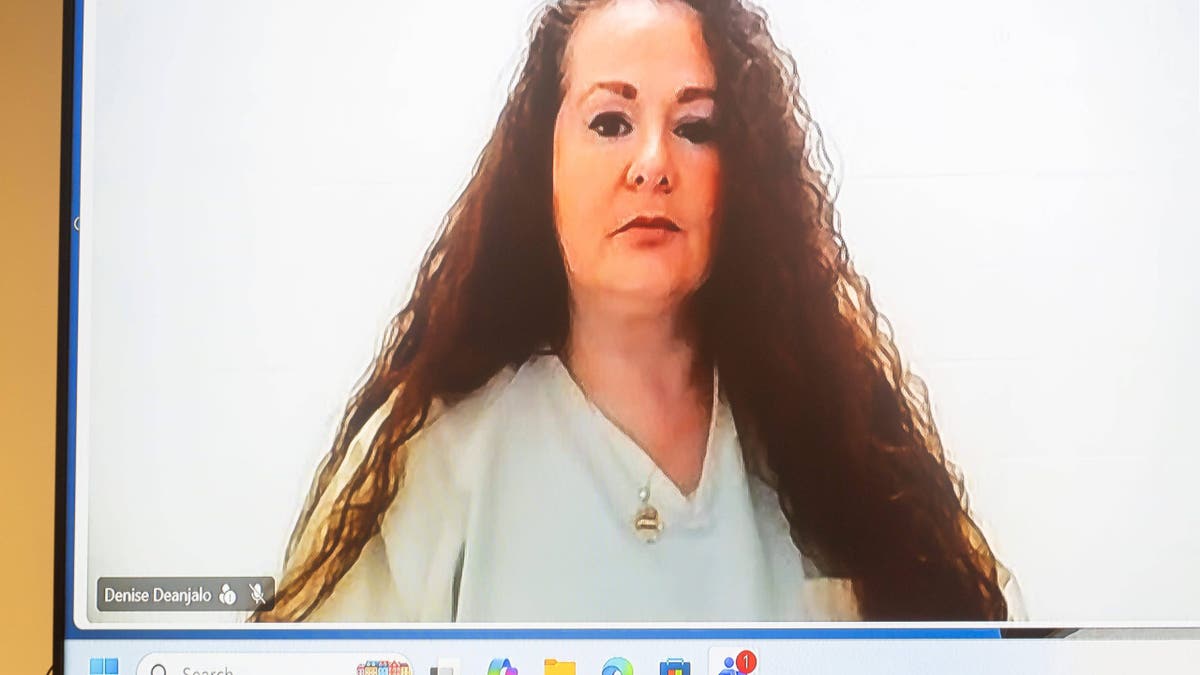
Christa Gail Pike appears remotely from Deborah K. Johnson Rehabilitation for her hearing in Knox County Criminal Court in Knoxville, Tenn., Aug. 11, 2026. (USA Today Network via Reuters Connect)
Pike has pneumonia, cannot swallow and has a blood clot in one arm, Spivey said. He described her hands as swollen, saying they looked “like if you were to blow up a surgical glove.”
It is still uncertain whether Pike will ever regain the use of her arms, he said.
YOU MIGHT ALSO LIKE: Inmate Hours Away From Lethal Injection Pike Received Speaks Out
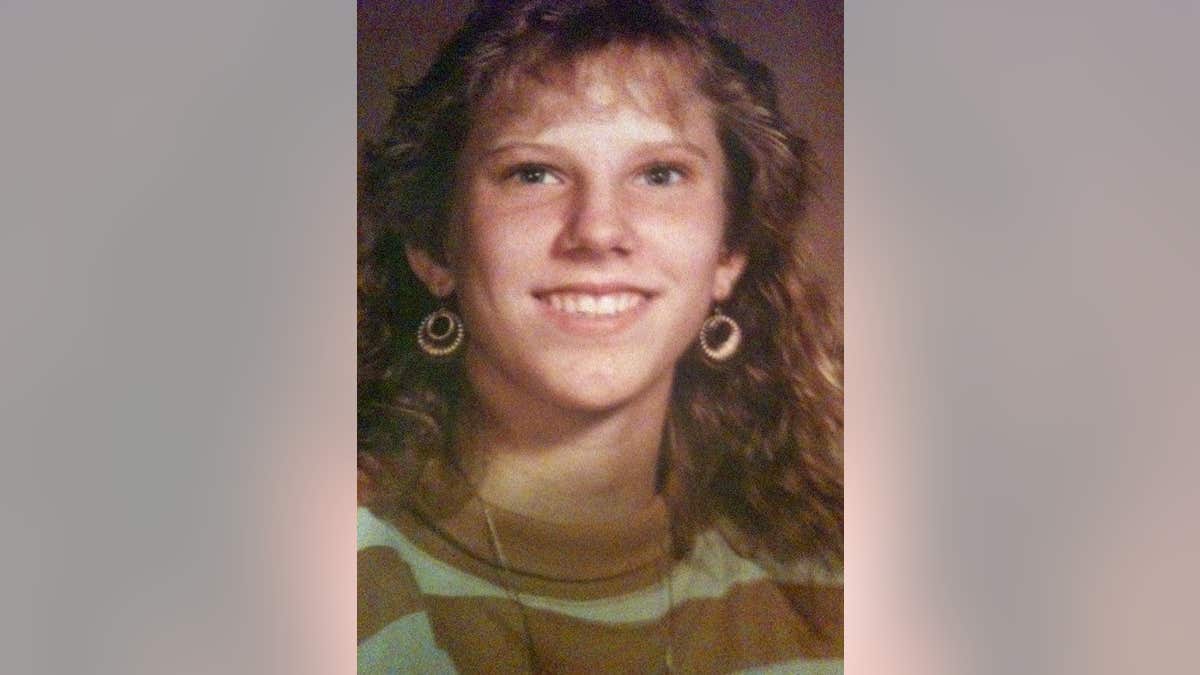
An undated portrait photograph of Colleen Slemmer provided by her mother. (May Martinez/Special to the News Sentinel)
The medical update followed Davidson County Chancery Court Judge I’Ashea Myles’ decision Wednesday to grant Pike’s emergency request to preserve evidence from the failed execution.
The order directs the Tennessee Department of Correction to retain physical evidence such as needles, IV lines, package labels and drugs, along with text messages, encrypted communications, photographs and recordings.
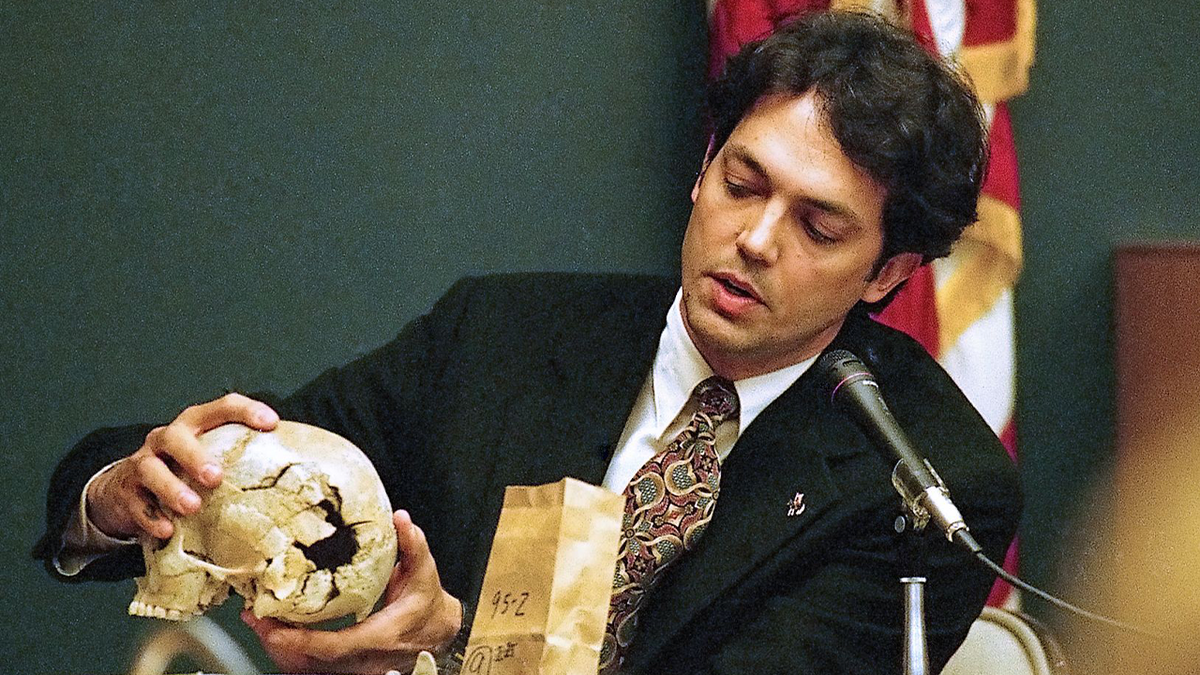
University of Tennessee forensic anthropologist Dr. Murray Marks testifies about the wounds to Colleen A. Slemmer’s skull during Christa Gail Pike’s murder trial in Knox County Criminal Court March 25, 1996. (USA Today Network via Reuters Connect)
The judge specifically ordered that messages exchanged through apps including Signal be preserved.
“To any extent that any information has already been, any information or any evidence has already been discarded, deleted, destroyed or no longer exists, I want TDOC to take an affirmative step, to try to claw back that information,” Myles said.
Pike’s legal future remains uncertain. Gov. Bill Lee has suspended Tennessee executions for the rest of 2026 as the state investigates the problems surrounding last week’s attempt.
Assistant Attorney General Will Ayers declined to say in court Wednesday whether the state would seek another death warrant. Pike’s lawyers are asking that her sentence be commuted to life in prison without parole.
Pike was sentenced to death for the 1995 torture and murder of 19-year-old Colleen Slemmer in Knoxville. Two other people involved in the killing received lesser sentences: one was 17 at the time, while the other testified for the state under a plea agreement.