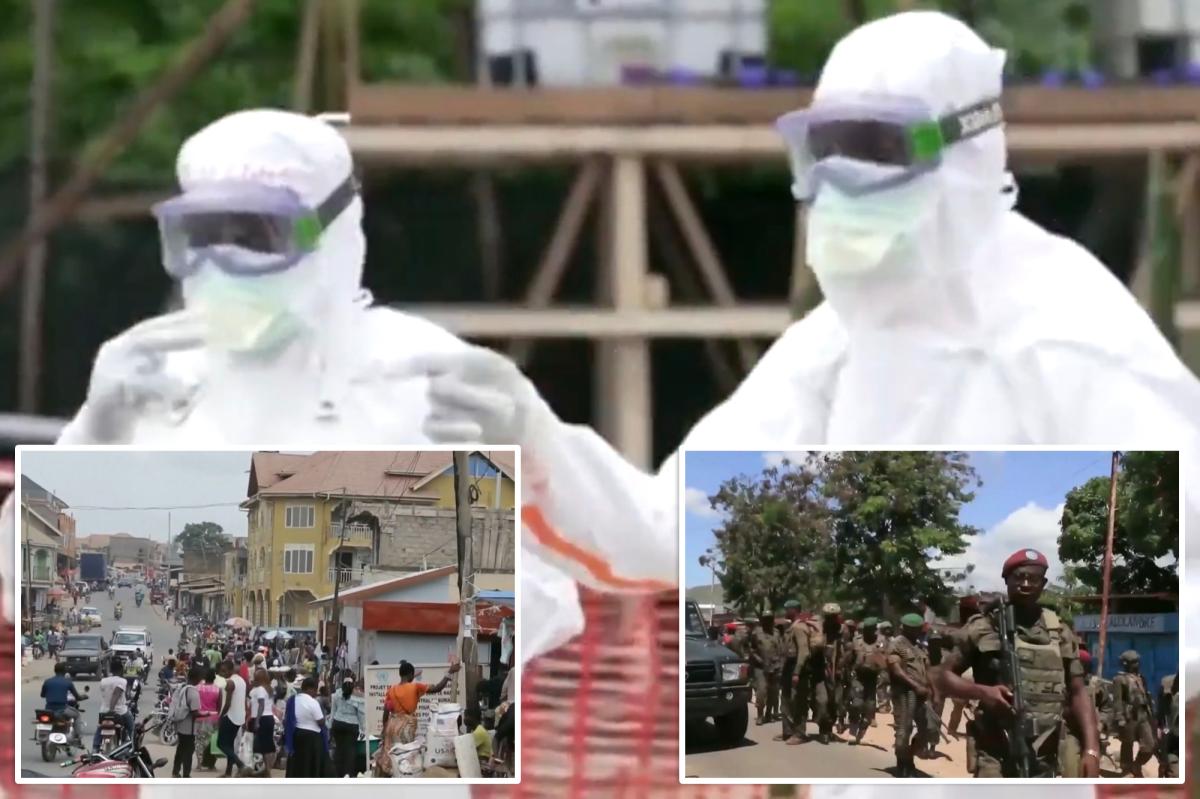


At least six Americans have been exposed to a dangerous strain of the Ebola virus in the Democratic Republic of Congo. The U.S. Centers for Disease Control and Prevention (CDC) is reportedly planning to evacuate those potentially infected.
The exposure occurred during a recent outbreak that has been ravaging central Africa and spreading into major urban areas, as reported by international aid organizations to CBS News.
Out of the six individuals, three have encountered high-risk exposure or contact, and one has already shown symptoms, the report indicated.
While it remains uncertain whether these individuals are still in Congo, the CDC announced on Sunday that it is coordinating efforts for the “safe withdrawal of a small number of Americans directly affected in outbreak areas.”
Details about whether these Americans will be returned to the U.S. for quarantine or monitored elsewhere have yet to be disclosed.
In response to the situation, the CDC has issued travel health notices for both Congo and Uganda to advise Americans considering travel to these regions. Additionally, the agency has instructed its offices in these African countries to assist in global response efforts.
“The overall risk to the American public and travelers remains low,” the CDC said, noting that no cases of the illness have spread to the US.
The World Health Organization slapped a “public health emergency of international concern” label on the deadly Bundibugyo Ebola virus outbreak following a surge of cases across Congo and now in Uganda.
As of Sunday, there are reports of 10 confirmed cases and 336 suspected cases of the specific Ebola strain, including 88 deaths. There are two confirmed cases, including one death in Uganda, in people who traveled from DRC, the CDC said.
There are “significant uncertainties to the true number of infected persons and geographic spread” and a “limited understanding of the epidemiological links” between victims, according to the WHO.
The agency further warned that the data “all point towards a potentially much larger outbreak than what is currently being detected and reported.”
Bundibugyo Ebola virus has a startlingly high death rate ranging from 25 to 50%, and involves hallmark symptoms such as fever, headache, vomiting, severe weakness, abdominal pain, nosebleeds, and vomiting blood.
There is no vaccine for the illness, and treatment involves supportive care.
Describing the crisis as an “extraordinary” threat, UN health chiefs sounded the alarm over unusual clusters of community deaths and four healthcare worker deaths.