
Share this @internewscast.com

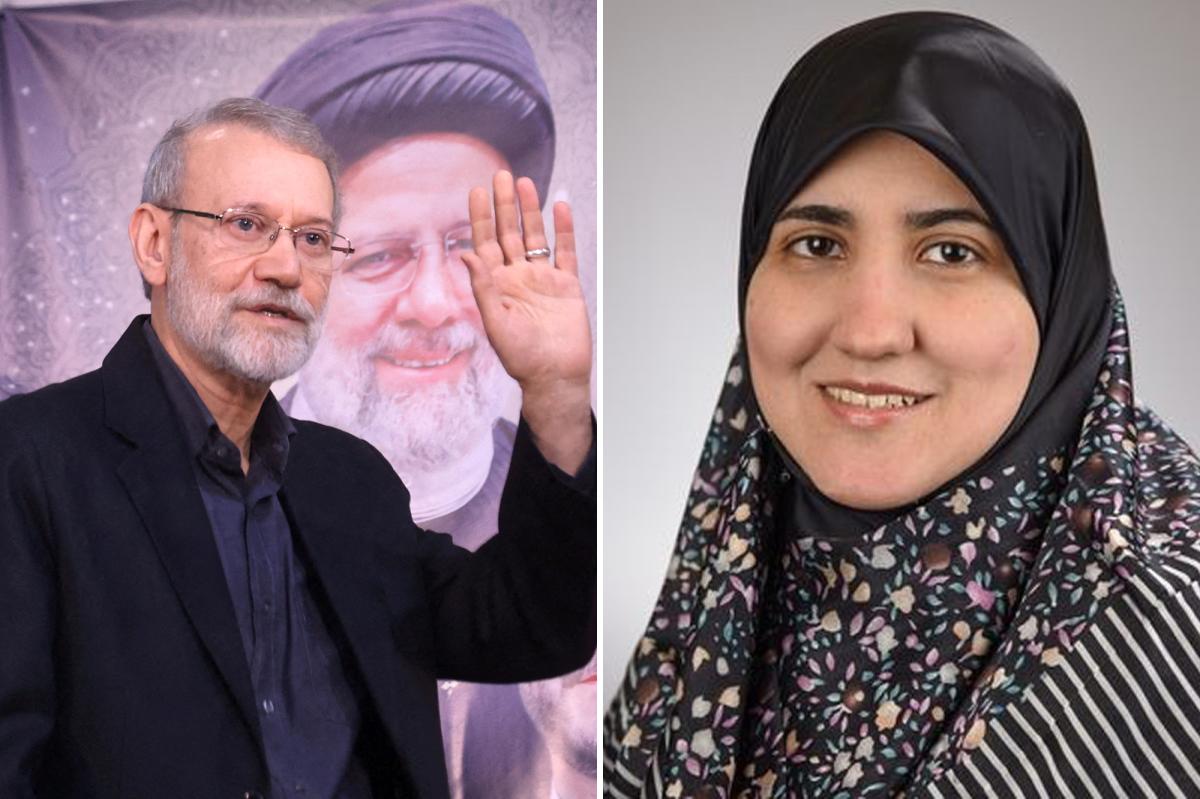
Dr. Fatemeh Ardeshir-Larijani, the daughter of a high-ranking official from Tehran, is facing expulsion from the United States after an uproar led to her departure from Emory University. The institution, located in Atlanta, had come under scrutiny for employing someone with such direct connections to the Iranian regime.
Ardeshir-Larijani had been working as an assistant professor at Emory’s renowned Winship Cancer Institute. Her familial ties to Iran’s ruling elite sparked significant backlash, leaving many to question how she was able to secure a position at a top American research university.
The situation caught the attention of various critics and lawmakers, including Representative Buddy Carter. In a formal letter, Carter pressed for her removal, asserting that American institutions should not act as a “safe harbor” for individuals with connections to adversarial governments. He also flagged her presence as a potential national security threat, according to statements from his office.
The controversy surrounding Ardeshir-Larijani highlights the complex intersection of academia, politics, and international relations, raising important questions about the responsibilities of educational institutions in safeguarding national security while promoting academic freedom. As the situation unfolds, it underscores the ongoing debate over who should have access to American academia and its resources.
The controversy quickly drew the attention of lawmakers, including Rep. Buddy Carter, who in a formal letter demanded her removal and argued US institutions must not serve as a “safe harbor” for individuals tied to hostile regimes, according to his office.
Carter also warned that her continued presence posed a national security risk.
The pressure campaign ultimately succeeded, but the fallout didn’t stop there.
Ardeshir-Larijani’s legal status in the US was terminated earlier this month, part of a broader effort targeting foreign nationals with ties to Iran’s leadership and the Islamic Revolutionary Guard Corps (IRGC), which the US designates as a terrorist organization, the US State Department confirmed.
She and her husband, Seyed Kalantar Motamedi, are no longer in the country and have been barred from reentry.
Officials said both were removed as part of a hardline crackdown on individuals linked to anti-American regimes.
The case underscores a widening crackdown on foreign nationals with ties to Iran’s ruling elite, even those embedded in elite American institutions, with officials emphasizing that the US will not allow individuals who support or are connected to anti-American terrorist regimes to remain in the country.
The Winship Cancer Institute is one of the university’s flagship medical research centers, known for cutting-edge cancer treatment and academic prestige.
Her exit highlights the increasing sensitivity around foreign ties in American academia, particularly when linked to governments viewed as adversarial to the US.
It also underscores the reputational risks universities face when employing individuals connected to controversial regimes — even when those individuals are accomplished professionals in their own right.
Separately, on Saturday, authorities arrested Hamideh Soleimani Afshar and her daughter, Sarinasadat Hosseiny, relatives of slain Iranian General Qasem Soleimani, in Los Angeles.
Both are now in ICE custody awaiting deportation, while Afshar’s husband has been barred from entering the US.
Officials accused Soleimani Afshar of publicly promoting Iranian regime propaganda, celebrating attacks on American forces, praising Iran’s new Supreme Leader, denouncing the US as the “Great Satan,” and supporting the IRGC, all while living a lavish lifestyle in Los Angeles, according to the State Department.