Share this @internewscast.com
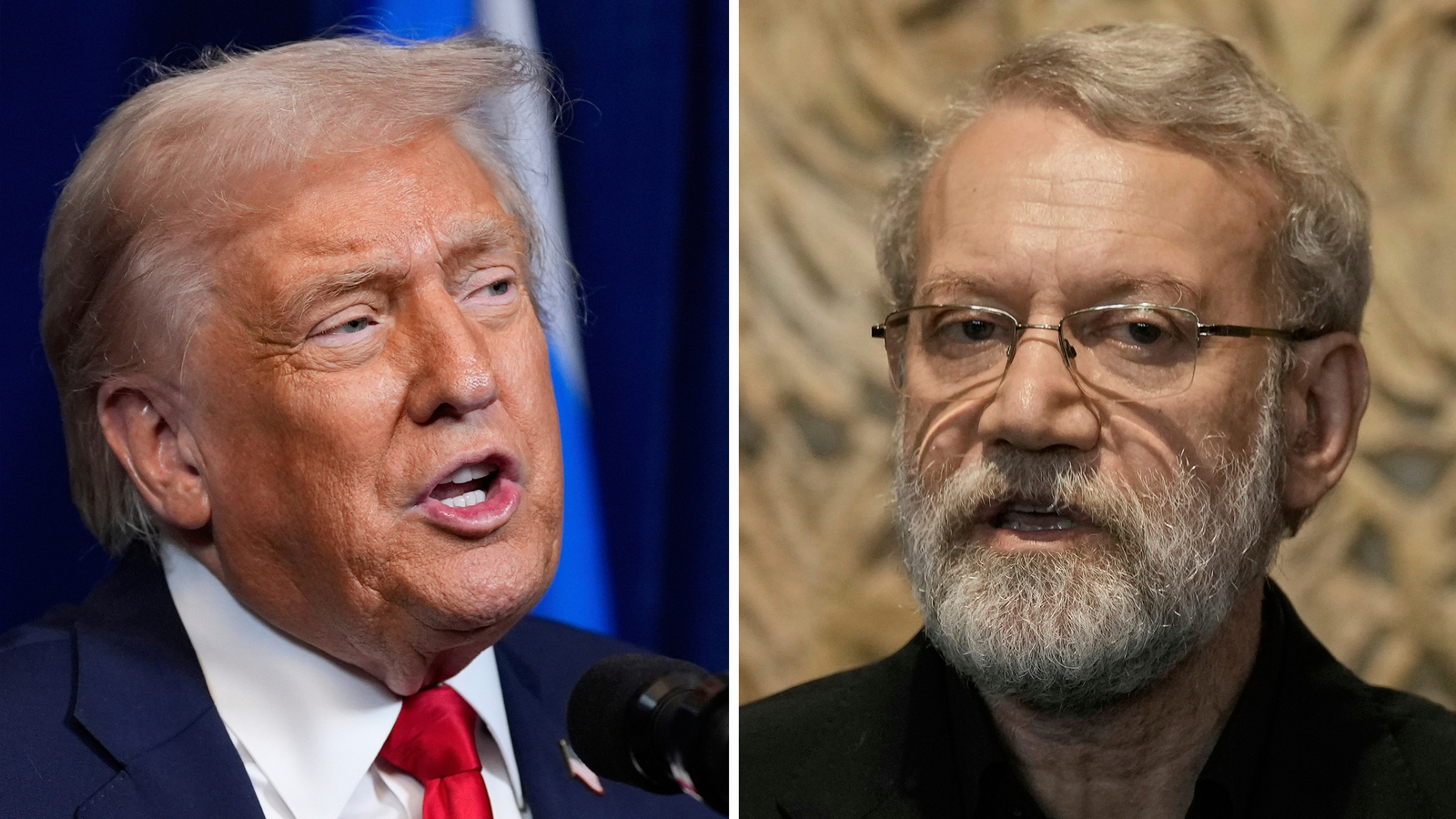
The ongoing strife between the United States and Iran saw a new chapter unfold as President Donald Trump and key Iranian figures exchanged sharp words amid growing economic unrest within Iran. This comes after the U.S. launched airstrikes on Iranian nuclear facilities back in June, further inflaming the already tense relations between the two nations.
President Trump took to his Truth Social platform, issuing a stern warning to Iran. He cautioned that any violent crackdown on peaceful protesters would prompt the U.S. to step in. The protests have been fueled by the plummeting value of Iran’s rial currency, and at least seven people have reportedly died in the resulting violence.
“We are locked and loaded and ready to go,” Trump stated, leaving his intentions ambiguous yet unmistakably confrontational.
In response, Ali Larijani, who once served as Iran’s parliament speaker and now holds a position on the Supreme National Security Council, took to social media platform X to accuse the U.S. and Israel of inciting the protests. Iranian authorities have long made similar accusations during periods of unrest, though no evidence was provided to support these claims.
“Trump should know that U.S. intervention in Iran’s domestic issues leads to chaos across the region and jeopardizes American interests,” Larijani asserted. “The American people should be aware of Trump’s adventurism and look after their soldiers.” His statement appears to allude to the substantial American military presence in the region.
Larijani’s comments follow Iran’s attack on the Al Udeid Air Base in Qatar in June, a retaliatory move after the U.S. bombed three nuclear sites during Israel’s 12-day conflict with Iran. This volatile backdrop underscores the precarious nature of the U.S.-Iran relationship and the potential for further escalation.
Ali Shamkhani, an adviser to Supreme Leader Ayatollah Ali Khamenei who previously was the council’s secretary for years, warned that “any interventionist hand that gets too close to the security of Iran will be cut.”
“The people of Iran properly know the experience of ‘being rescued’ by Americans: from Iraq and Afghanistan to Gaza,” he added on X.
The current protests, now in their sixth day, have become the biggest in Iran since 2022, when the death of 22-year-old Mahsa Amini in police custody triggered nationwide demonstrations. However, the demonstrations have yet to be countrywide and have not been as intense as those surrounding the death of Amini, who was detained over not wearing her hijab, or headscarf, to the liking of authorities.
Iran’s civilian government under reformist President Masoud Pezeshkian has been trying to signal it wants to negotiate with protesters. However, Pezeshkian has acknowledged there is not much he can do as Iran’s rial has rapidly depreciated, with $1 now costing some 1.4 million rials. That sparked the initial protests.
The protests, taking root in economic issues, have heard demonstrators chant against Iran’s theocracy as well.
Months after the war, Iran said it was no longer enriching uranium at any site in the country, trying to signal to the West that it remains open to potential negotiations over its atomic program to ease sanctions. However, those talks have yet to happen as Trump and Israeli Prime Minister Benjamin Netanyahu have warned Tehran against reconstituting its atomic program.
Copyright © 2026 by The Associated Press. All Rights Reserved.