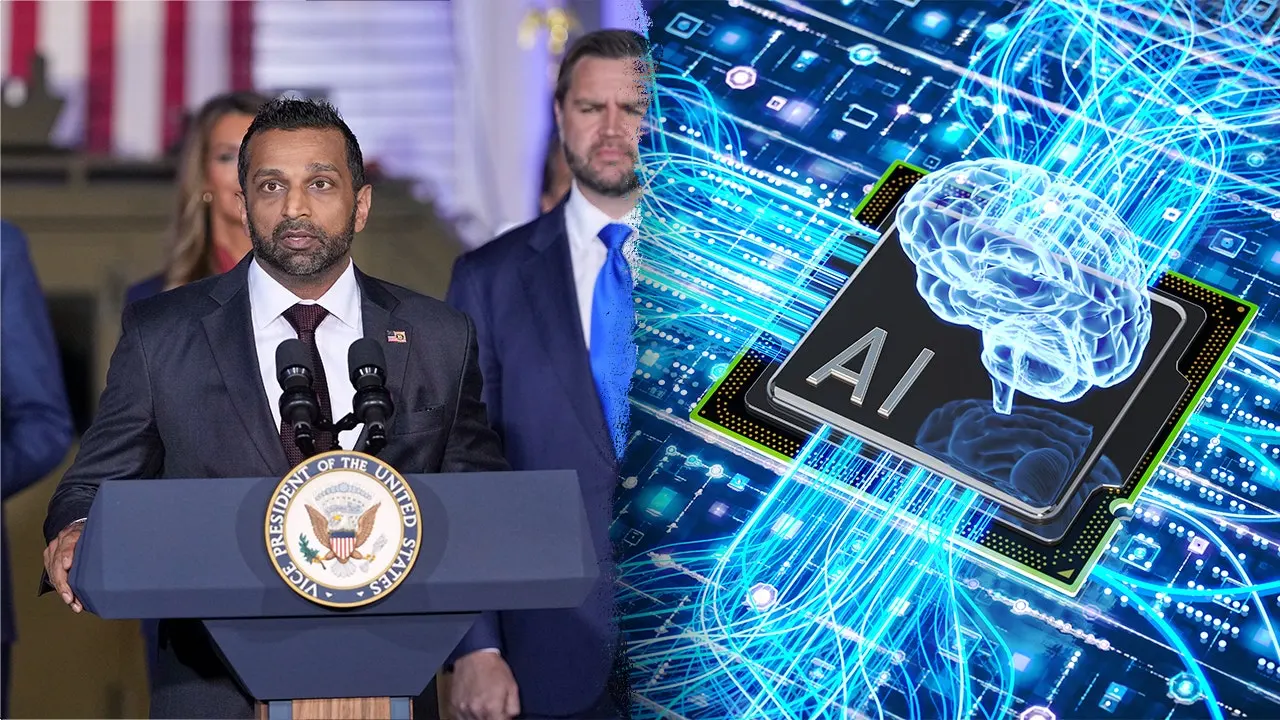

FBI Director Kash Patel said the bureau has undertaken a broad modernization of its technology and cybersecurity operations to counter the malicious use of artificial intelligence by adversarial countries, including China and Russia. Previous leaders, he said, relied largely on temporary fixes rather than a full-scale overhaul.
Speaking to News Outlet, Patel said the FBI was forced to rebuild its aging technological infrastructure from the ground up.
“People look at the bureau and assume it must have the most advanced technology in the world,” Patel said. “That wasn’t the case. For decades, prior leadership kept adding one bandage after another instead of taking the time to address the underlying problems.”
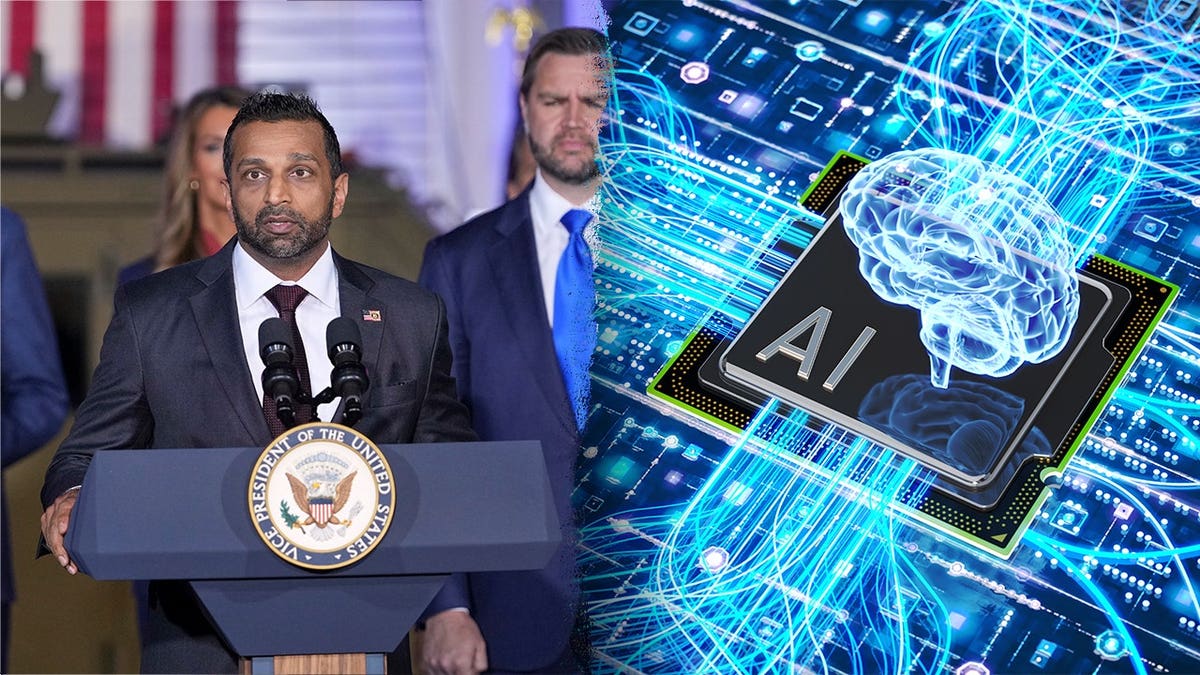
FBI Director Kash Patel said artificial intelligence is being used to support human investigators, not replace them. (Getty Images)
The FBI is also expanding its use of artificial intelligence.
Patel said AI allows agents to search large databases and evaluate public tips far more quickly, giving the bureau the speed and scale needed to respond to emerging threats. He stressed that the technology is designed to assist human personnel—not take their place—and has helped shorten response times in cases involving potential terrorist attacks and school shootings.
“We receive tips from American citizens and private-sector partners, and those reports now enter our database immediately,” Patel said. “We no longer have an outdated chain of communication where 50 people must call 50 other people and the information takes three days to reach us. It is ingested right away and analyzed.”
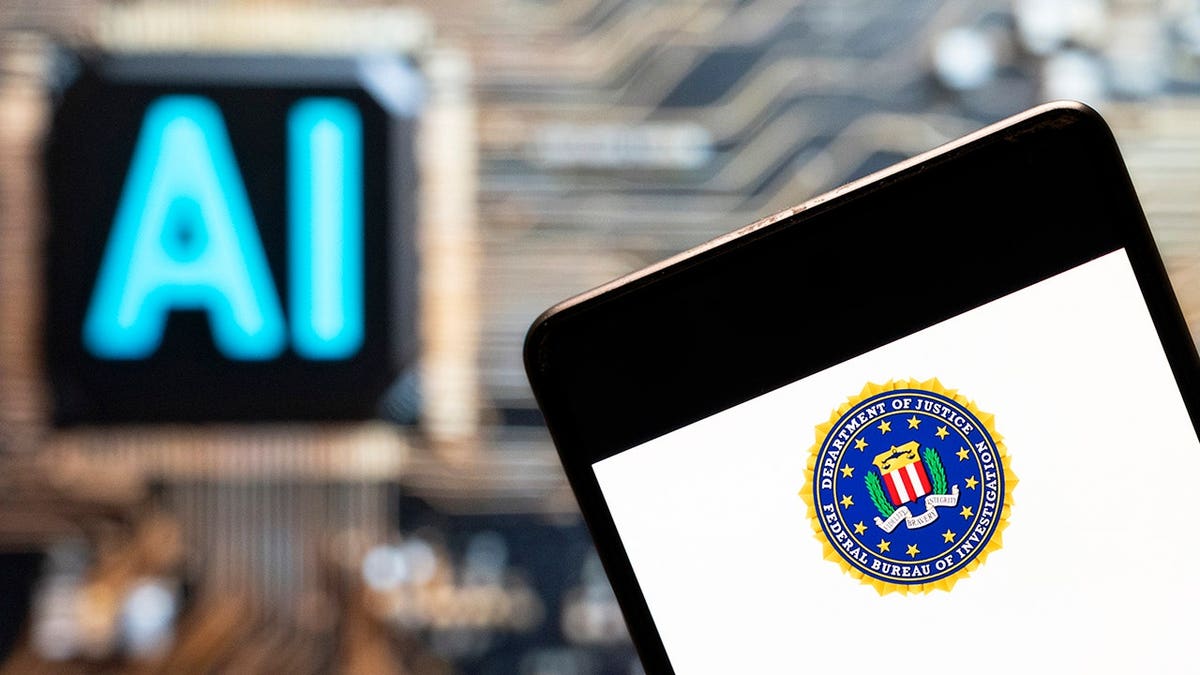
This photo illustration shows the Federal Bureau of Investigation logo on a smartphone, with an artificial intelligence chip and AI symbol in the background. (Budrul Chukrut/SOPA Images/LightRocket via Getty Images)
YOU MAY ALSO READ: Killer Dad Chris Watts’ Prison Love Life Takes an Extraordinary Twist
After the information is evaluated, leads are forwarded to FBI field offices, headquarters in Washington, D.C., is alerted, and agents are assigned to address the reported threats, Patel said.
When Patel became FBI director, the bureau had developed only two or three AI test applications over its entire history. The agency has since moved beyond its 140th AI use case, he said.
Calling artificial intelligence a permanent part of the FBI’s operations, Patel said the bureau will continue using the technology within the law, with legal safeguards in place and ongoing cooperation with private-sector partners.
The rapid growth of AI has drawn increased scrutiny as lawmakers debate how to regulate the industry. Earlier this week, dozens of technology executives met with President Donald Trump at the White House and signed a voluntary, “morally binding” agreement centered on self-regulation.
This photo illustration depicts the Federal Bureau of Investigation logo on an Android device, with a hacker figure shown in the background. (Miguel Candela/LightRocket via Getty Images)
“I think we’re seeing a tremendous amount of self-policing, and they understand that they have to police themselves,” Trump told reporters during an unscheduled news conference outside the West Wing.
OpenAI, one of the largest companies in the sector, recently dismissed three researchers who allegedly shared confidential company information with an outside AI safety organization, according to reports.
The firings came as OpenAI and other leading artificial intelligence firms reported incidents involving rogue AI models that behaved unexpectedly or attempted to hack systems operated by other companies.