

Anesthesiologist who advised Christa Pike’s defense criticizes lethal injection process
Anesthesiologist Dr. Joel Zivot joins Bill Hemmer to examine the legal implications after a judge ordered Tennessee officials to preserve evidence from the failed execution of Christa Pike. Zivot, who advised Pike’s defense team, discusses the complications involving the lethal injection drugs used by the state. Pike remains on death row after surviving the execution attempt.
The former Tennessee police chief who investigated the murder that put Christa Pike on death row described the convicted killer as “ruthless” and “almost giddy” when recounting the crime to investigators. His comments came as Gov. Bill Lee indicated that Pike’s death sentence is unlikely to be changed after she survived a failed execution.
Pike, 50, survived Tennessee’s lethal injection attempt on Sept. 30 and was later returned to prison. The incident has raised questions about whether the state can try to execute her again.
Lee addressed Pike’s case Wednesday, saying she remains imprisoned under Tennessee law.
“I suspect her sentence will be the same as it was before unless determined otherwise by the courts,” Lee said.

A split image shows Christa Pike at her 1995 murder trial, left, and Colleen Slemmer, the young woman Pike was convicted of torturing and killing, right. (Reuters)
The governor’s remarks came after Pike’s attorneys asked Lee to commute her death sentence to life without parole following the botched execution.
Pike was sentenced to death for the 1995 killing of 19-year-old Colleen Slemmer, who was participating with her in a federal Job Corps program in Knoxville.
Phil Keith, the former Knoxville police chief who took part in the investigation, recently recalled Pike’s demeanor during questioning about the killing in the New York Post documentary “No Mercy: Christa Pike Unraveled.”
“I heard somebody that was ruthless, without any remorse, almost giddy,” Keith said. “You know, she was describing what took place, like, almost the sense that she was bragging about it.”

Convicted killer Christa Gail Pike listens to proceedings in Knox County Criminal Court in April 2008 as she sought a new trial in the 1995 killing of fellow Job Corps student Colleen Slemmer. (USA TODAY Network via Reuters Connect)
Keith later confirmed the remarks to News Outlet, calling them “spot on.” He summed up his view of Pike in two words: “Pure evil.”
He also recalled Pike speaking openly about the killing after she returned to the Job Corps.
“Pike, when she got back, you know, immediately had to express her joy with killing Colleen,” Keith said in the documentary. “And then the very next day in class, she bragged again, talking about how she killed Colleen. She showed her shoes that had blood on them.”
Pike was 18 when she, her 17-year-old boyfriend Tadaryl Shipp and 19-year-old Shadolla Peterson were charged in Slemmer’s death. Court records show that all four were participating in the Job Corps at the time.
The three took Slemmer to an isolated area of the University of Tennessee’s Knoxville campus. Prosecutors said her throat was cut multiple times, she was struck in the head with a large piece of asphalt and a pentagram was carved into her chest.
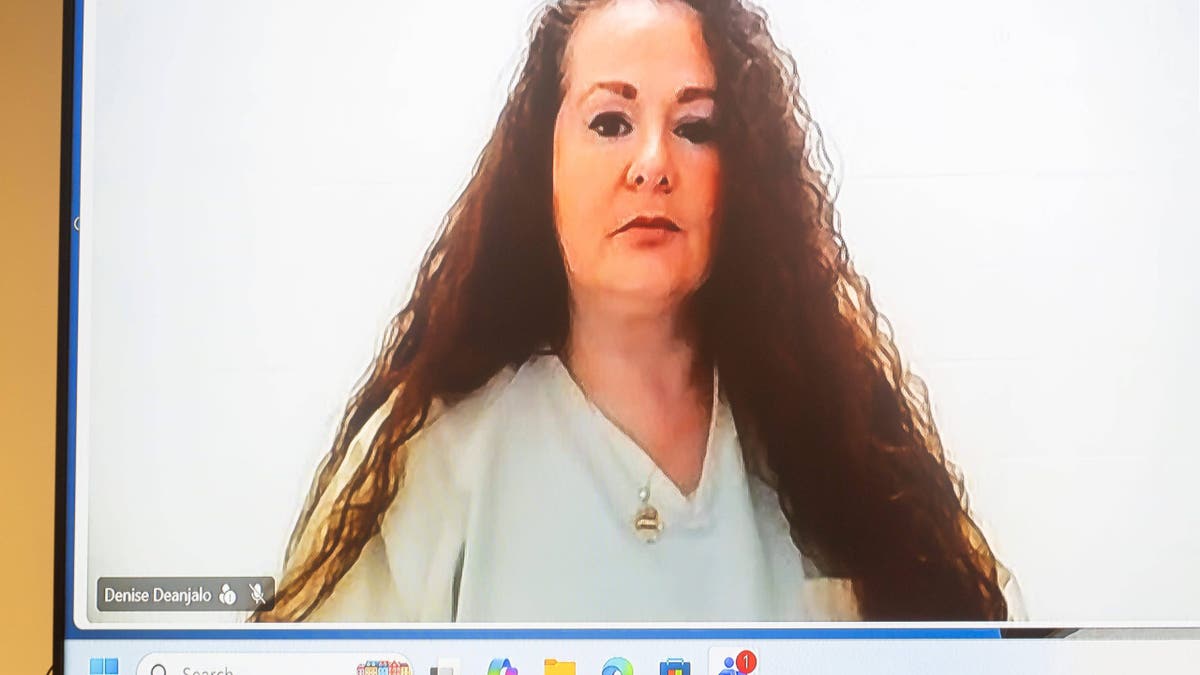
Christa Gail Pike appears remotely from Deborah K. Johnson Rehabilitation during a hearing in Knox County Criminal Court in Knoxville, Tennessee, on Aug. 11, 2026. (USA TODAY Network via Reuters Connect)
NEXT UP: FBI Under Obama Found Evidence Rep. Ilhan Omar Entered ‘Sham Marriage’
Court records say Pike later confessed to her role in the killing.
Keith said the violence at the crime scene stunned even experienced homicide investigators.
“I was accustomed to seeing that kind of gore, if you will. But the brutality was different,” Keith said in the Post documentary.
“You know, the visual scene of it, it was so shocking,” he added.
Pike was convicted and sentenced to death in 1996. The Tennessee Supreme Court later upheld both her convictions and sentence.
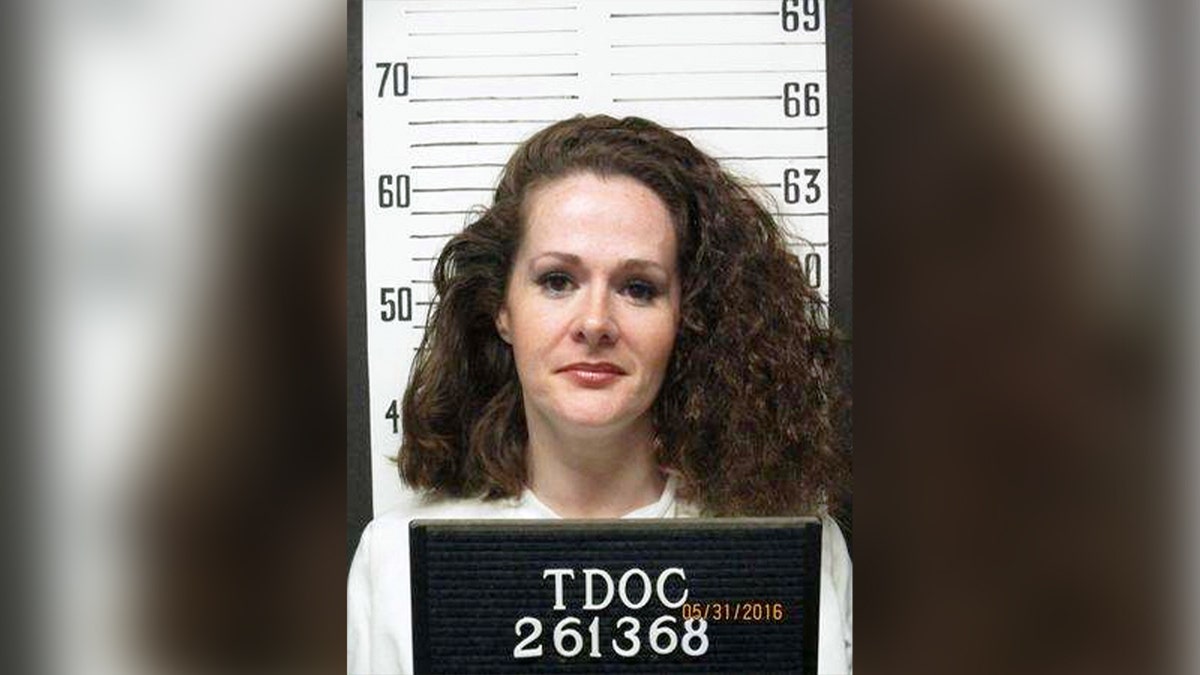
Christa Gail Pike was scheduled for execution on September 30, 2026, a date that would have made her the first woman executed in Tennessee since 1820. (Tennessee Department of Correction via AP)
More than three decades after the killing, Tennessee tried to carry out Pike’s sentence on Sept. 30 after the U.S. Supreme Court vacated a last-minute stay issued by the 6th U.S. Circuit Court of Appeals.
The execution attempt failed after Pike was given two doses of pentobarbital and transported to a hospital.
She remained unconscious for several days. At one point, her attorneys believed she was brain-dead and expected doctors to remove her from life support. Pike eventually regained consciousness, was released from the hospital and returned to prison.
Her attorneys have since said she can walk and speak in complete sentences.
After the failed execution, Lee paused Tennessee’s remaining executions for the year and ordered an independent investigation into what went wrong.
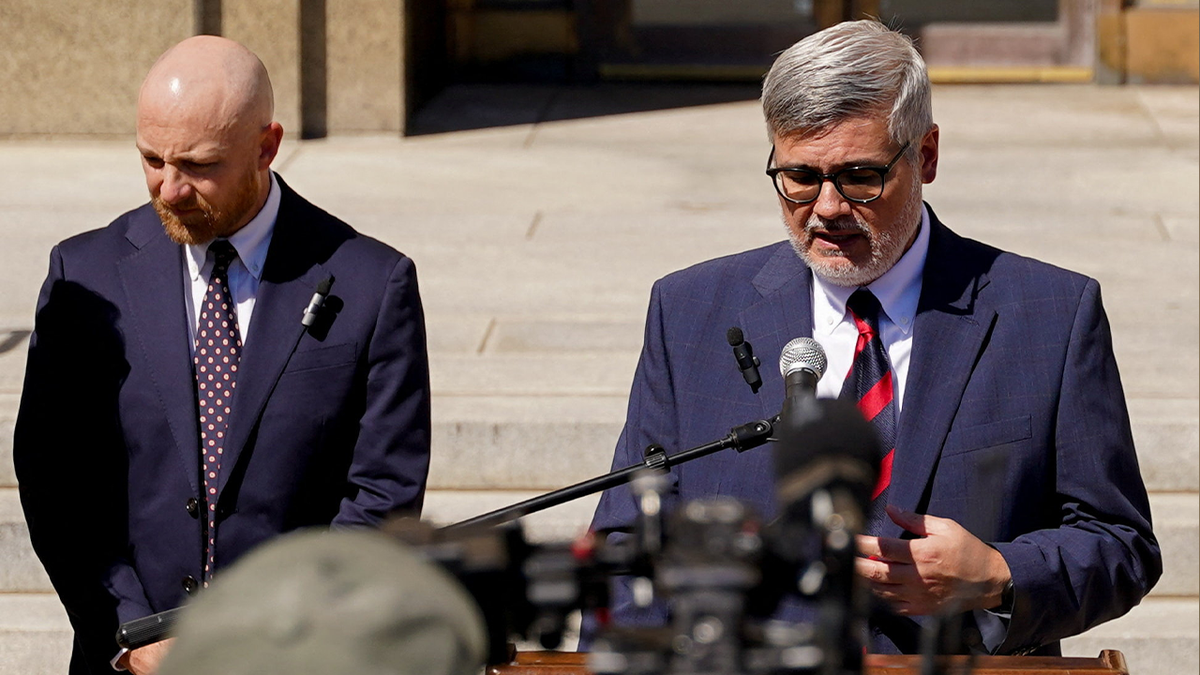
Randy Spivey, an attorney for Christa Pike, speaks to the media outside a Nashville courtroom on October 7, 2026, after a Tennessee court received an update on the condition of the death row prisoner who survived a botched execution. Luke Ihnen stands beside him. (Reuters/Seth Herald)
Pike’s attorneys have argued that she should not face another execution attempt.
Their request for clemency was filed before the failed execution.
In a 2021 filing with the Tennessee Supreme Court, Pike’s attorneys sought a certificate of commutation. They cited her age when Slemmer was killed, along with a history of childhood trauma, mental illness and brain damage.
News Outlet contacted Pike’s attorneys and Lee’s office for additional comment, and asked Keith to confirm the context of his remarks.