
Share this @internewscast.com

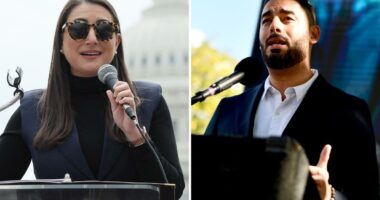
Senator Daniel Patrick Moynihan famously stated, “You are entitled to your own opinion, but you are not entitled to your own facts.” This sentiment perfectly encapsulates the arguments put forth by State Senator Liz Krueger and Assemblywoman Jo Anne Simon regarding their proposed legislation on natural gas connections, which is currently awaiting Governor Hochul’s decision.
As Governor Hochul and other practical legislators have become more attuned to the financial impact of climate mandates on citizens, advocates like Krueger and Simon have shifted their stance. Instead of pursuing a ban on natural gas, they are now accelerating its adoption. The Northeast Supply Enhancement (NESE) gas pipeline has received the green light, the mandate for all-electric buildings has been postponed, and affordability has emerged as the prevailing energy concern.
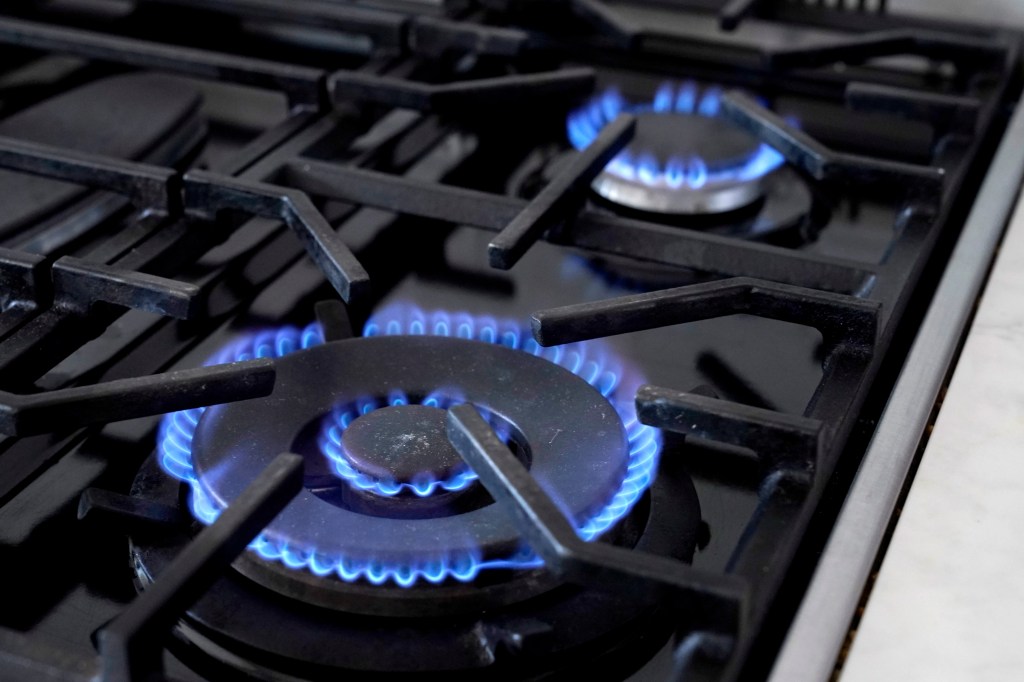
This leads us to consider the 100-foot rule embedded in the legislation. Retaining this rule is beneficial for job creation, consumer savings, and economic growth. It currently allows consumers within 100 feet of an existing gas line to connect at no cost. Eliminating this provision could burden new customers with expenses up to $10,000.
According to AARP data, New Yorkers already endure some of the nation’s highest utility bills and electricity prices per kilowatt-hour. These costs are not primarily due to utility company profits or wholesale energy prices, nor the 100-foot rule subsidy. Instead, they are largely driven by energy taxes, fees, and mandates instituted by state regulators and officials like Krueger and Simon.
Taxes and fees contribute to about 25% of utility bills. Additionally, the 2019 Climate Leadership and Community Protection Act has already increased energy bills by 10%, with further increases anticipated.
Simultaneously, New York is grappling with a housing shortage, characterized by limited availability and escalating prices due to high demand. Repealing the 100-foot rule would exacerbate the cost of constructing homes in the state. Access to energy should not be a privilege reserved only for those who can afford it.
The facts are that Krueger and Simon have voted for or supported the “electrification at any cost” policies that have led to higher energy and housing bills for New Yorkers over the last decade. Why would we trust anything they say now?
Thousands of union and non-union jobs in New York are supported by gas infrastructure. Ending the 100-foot rule and disincentivizing gas hook ups will put many of those folks on the unemployment line. The bill’s sponsors have said these people can magically become electricians overnight and no jobs will be lost. Well, if you believe a gas worker can transform into an electrician without a massive investment of time and money, then we have a bridge to sell you in Brooklyn.
Statewide, 53.5% of our electricity is generated by burning natural gas. The more we convert buildings to electricity the more gas we will burn. The New York Independent System Operator (NYISO) has forecasted that we must triple our generation capacity between now and 2040. Since New York is meeting none of its renewable energy targets, and it takes at least a decade to build nuclear power, what does Krueger and Simon think will power those new plants? You guessed it, natural gas!
New York is on the cusp of exciting possibilities. In Syracuse, Micron is constructing a massive, advanced manufacturing facility that will employ thousands and require large amounts of new power. As data centers look for new places to build, they will be looking for locations with abundant and inexpensive energy supplies coming from diverse sources of fuel.
Now is not the time to raise costs and threaten jobs by adopting harmful new energy mandates, pushed by the usual activists and politicians who have already presided over the largest population exodus in our state’s history.
We agree with the governor that New York needs an all of the above approach to our energy future. We urge her to veto the 100-foot rule bill and continue her support for an affordable and pragmatic energy future for New York State.
Ortega is the executive director of New Yorkers for Affordable Energy.