
Air Force Cloud One breach raises fresh concerns over government cyber defenses
Former White House Chief Information Officer Theresa Payton examines the national security implications of the reported hack. Payton explains why 17 government agencies remain vulnerable to sophisticated cyberattacks as a broader series of high-profile technology disruptions continues.
Hackers reportedly breached Cloud One, the U.S. Air Force’s primary cloud-computing platform, potentially gaining access to a broad range of logistics and personnel information, three sources told Reuters.
Reuters reported that the intrusion was uncovered within the past month during a system update and may have placed “a vast swathe of sensitive tactical, personnel and logistics data” at risk.
“The Department of the Air Force does not comment on the security posture, vulnerabilities, or operational status of specific networks and systems. We continuously take prudent measures to protect Department information, systems, and mission capabilities. Ensuring the security, resilience, and availability of our most critical warfighting assets remains a top priority,” an Air Force spokesperson told News Outlet in a statement.
“The Department continues to assess and modernize its enterprise cloud capabilities to meet evolving mission, security, resilience, and user requirements. Decisions regarding technical architecture, workload placement, contracts, and future capabilities are made through established governance, acquisition, and risk-management processes,” the statement concluded.

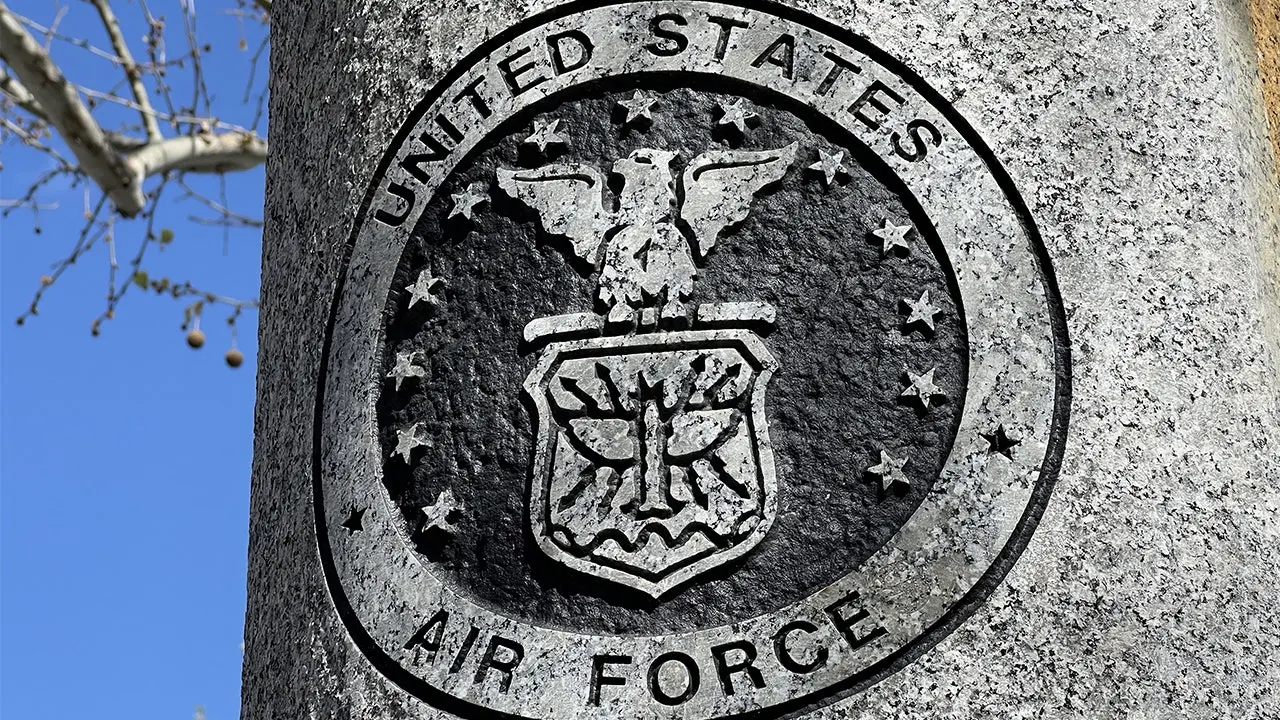
United States Air Force emblem on a circular surface surrounded by trees, with the sky visible in the background, Walnut Creek, California, April 18, 2023. (Smith Collection/Gado/Getty Images)
Reuters’ sources could not determine who carried out the attack, how deeply the hackers penetrated the system or how much data they may have obtained, if any.
The breach has disrupted operations across the Cloud One platform, according to the sources who spoke with the outlet.
The Air Force introduced Cloud One in 2017 as a proprietary system designed to bring together the capabilities of the department’s four major information technology platforms: Microsoft, Amazon, Oracle and Alphabet, Google’s parent company.
Cloud One includes Cloud-Based Command and Control, which coordinates air defense radars, as well as the Theater Integrated Combat Munitions System. That system tracks bombs and missiles at more than 200 Air Force locations around the world.
“A breach here is a big deal,” one source told Reuters.
ALSO READ: Gary Sinise Says Reading His Late Son’s Diary Left Him “Stopped Cold”

A member of the U.S. Air Force inspects Joint Direct Attack Munitions (JDAM) on a trailer in front of a U.S. Air Force B-1 Lancer bomber at RAF Fairford in southwest England on March 11, 2026. (Henry NICHOLLS / AFP via Getty Images))
The reported Cloud One intrusion is the latest in a growing number of hacks targeting government and military systems.
CNN reported last Friday that the FBI’s National Crime Information Center had been hacked twice in recent months. Sources also told Fox News that the CIA recently experienced a data breach exposing unclassified information used by law enforcement agencies nationwide.
A late-October cyberattack on Department of Homeland Security systems exposed the personal information of more than 41,000 DHS employees, including undercover Immigration and Customs Enforcement officers.
Another cyberattack against the Department of the Treasury disabled parts of the department’s Financial Crimes Enforcement Network, known as FinCEN.
The National Security Agency also drew attention after sources told CNN that an internal communications network was experiencing a service outage.
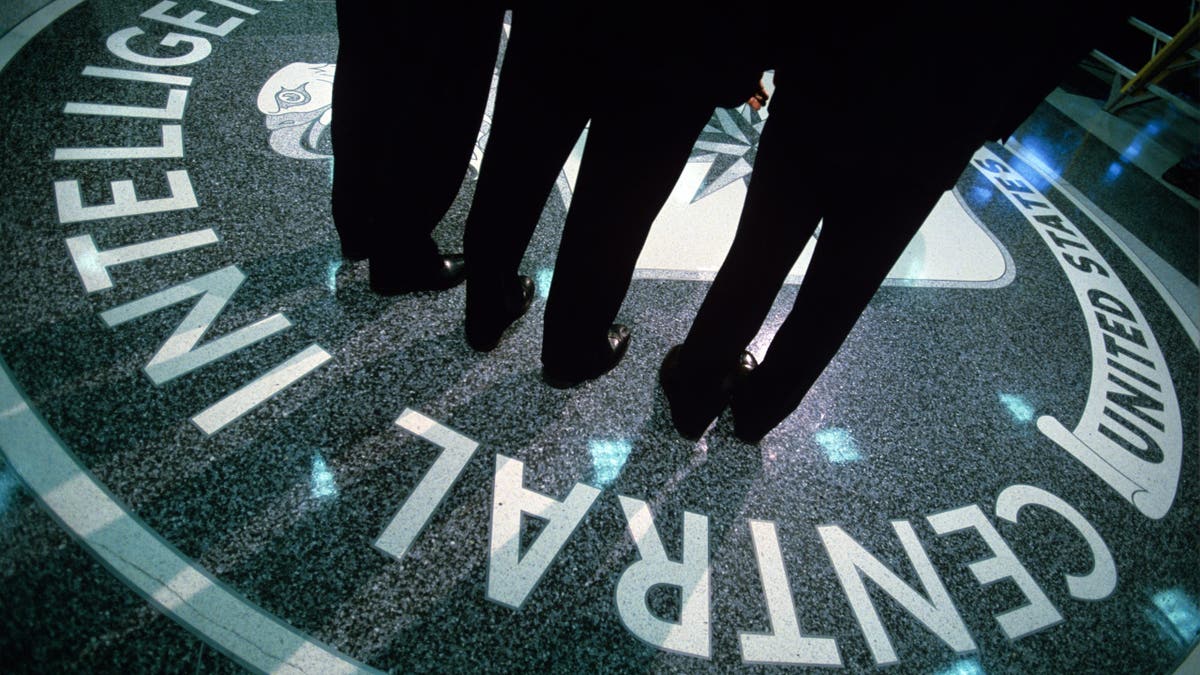
The CIA symbol is displayed on the floor of CIA headquarters in Langley, Virginia, on July 9, 2004. The Senate Intelligence Committee released a report that day on failures in CIA reporting about alleged Iraqi weapons of mass destruction. (Charles Ommanney/Getty Images)
In a 2023 article published by FedScoop.com, Cloud One leaders highlighted the platform’s reported 100% success rate in defending against adversarial intrusions.
“There is no room for error when it comes to security,” Cloud One’s leadership wrote.
Responding to a request for confirmation, a U.S. Department of War official told News Outlet, “As a matter of policy and operations security, the Department of War does not comment on the status of our networks. We refer you to the U.S. Air Force for more information.”


