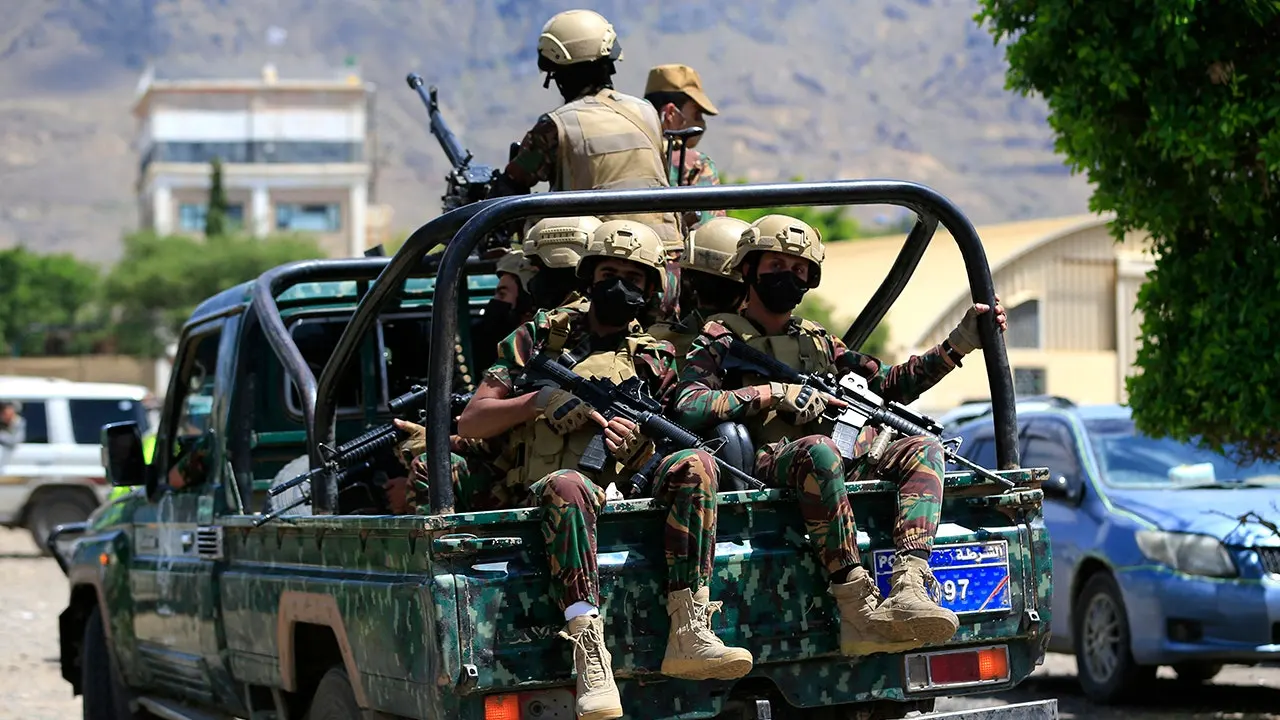

Saudi Arabia is confronting what one regional security specialist described as the most serious threat ever to its oil output, as Iran-supported Houthi forces in Yemen carry out attacks across the border and take positions near the Red Sea’s Bab el-Mandeb Strait, according to an expert who spoke with News Outlet.
Hussain Abdul-Hussain, a research fellow with the Foundation for Defense of Democracies, said Thursday that tensions across the Middle East are intensifying. He argued that Iran may have encouraged the Houthis to disrupt Saudi Arabia’s oil shipments and effectively impose a blockade.
“This is an extremely precarious moment for the Saudis,” Abdul-Hussain said. “It represents the greatest danger to Saudi oil production since the kingdom was established in 1932 and could become an existential challenge.”
He said Riyadh appears to be seeking outside help to confront the threat and may have appealed to President Trump. However, Abdul-Hussain said he does not expect Washington to enter the conflict directly over the Bab el-Mandeb waterway. “We will probably provide advice and support,” he said, “but I don’t think the United States will become involved in this war.”
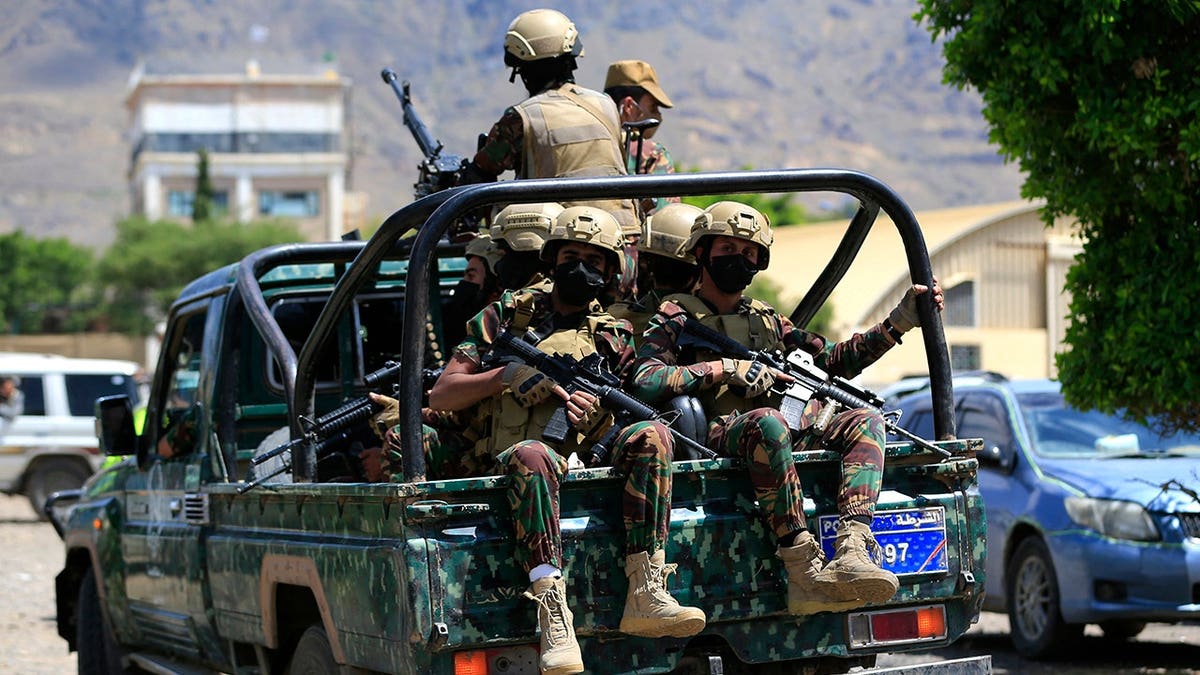
Yemen’s Houthi armed forces patrol in the capital of Sanaa on Sept. 12, 2026. (AFP via Getty Images)
The latest tensions follow a series of incidents targeting Saudi energy infrastructure. Riyadh temporarily shut its East-West oil pipeline last week after a drone launched from Iraq struck the facility, an attack Trump said he believed Iran had directed. On Tuesday, Saudi forces reported destroying a Houthi drone that approached airspace near Mecca, adding to the recent provocations.
Abdul-Hussain said Iran’s broader strategy is tied to the pressure on its own oil exports. “The United States has imposed a blockade on Iran, preventing it from exporting oil either legally or illicitly,” he told News Outlet. “Iran appears to be signaling to other producers in the region that either everyone is allowed to export oil, or no one is.”
He said Iran’s actions around the Strait of Hormuz prompted Saudi Arabia to redirect oil shipments from the east of the kingdom toward the west. Tankers began loading crude at Yanbu, on the Red Sea, before traveling south through the Bab el-Mandeb toward Asian markets. “Iran did not accept that outcome because the all-or-nothing strategy had failed,” Abdul-Hussain said. “That is why it likely encouraged the Houthis to target Saudi Arabia with a blockade.”
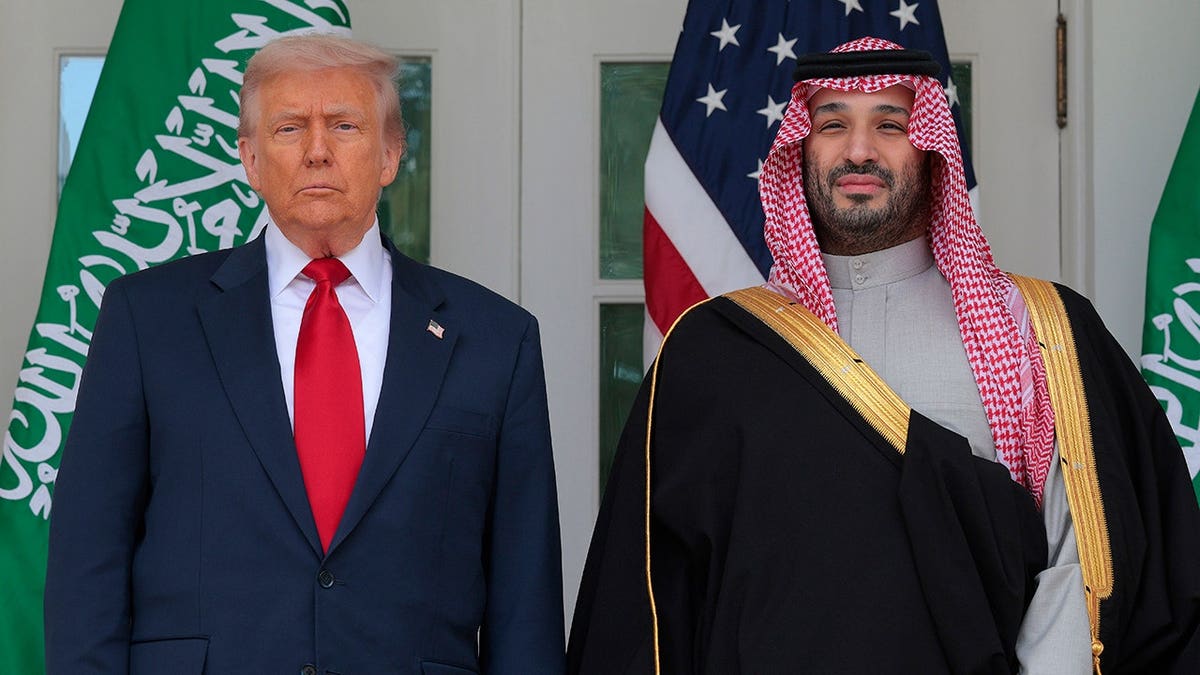
President Donald Trump and Crown Prince Mohammed bin Salman of Saudi Arabia pause for photographs along the West Wing Colonnade at the White House on Nov. 18, 2025, in Washington, D.C. (Getty Images)
News Outlet reported Friday, citing a source familiar with the situation, that Saudi Crown Prince Mohammed bin Salman asked Trump to consider military action against the Houthis.
During a visit to Ireland the following day, Trump said the Houthis had contacted the United States and expressed a desire to avoid fighting.
“They let us know they don’t want to fight with us,” Trump said. “They don’t want us to go after them. They called and spoke with us, and they would much prefer that we stay out of it.”
Abdul-Hussain said Washington’s position is complicated by the extensive military assistance Saudi Arabia has received over the years. “Given all the weapons we have sold them, along with decades of military support and advice, the expectation is that the Saudis should be capable of protecting their own tankers and vessels and keeping this route open,” he said.
The Houthis, he added, have said their attacks are directed only at Saudi ships and Saudi-linked traffic, rather than international vessels. “That leaves the United States facing a difficult choice,” he said. “Do we enter a war with the Houthis when they have not attacked American or European ships traveling through the Bab el-Mandeb?”
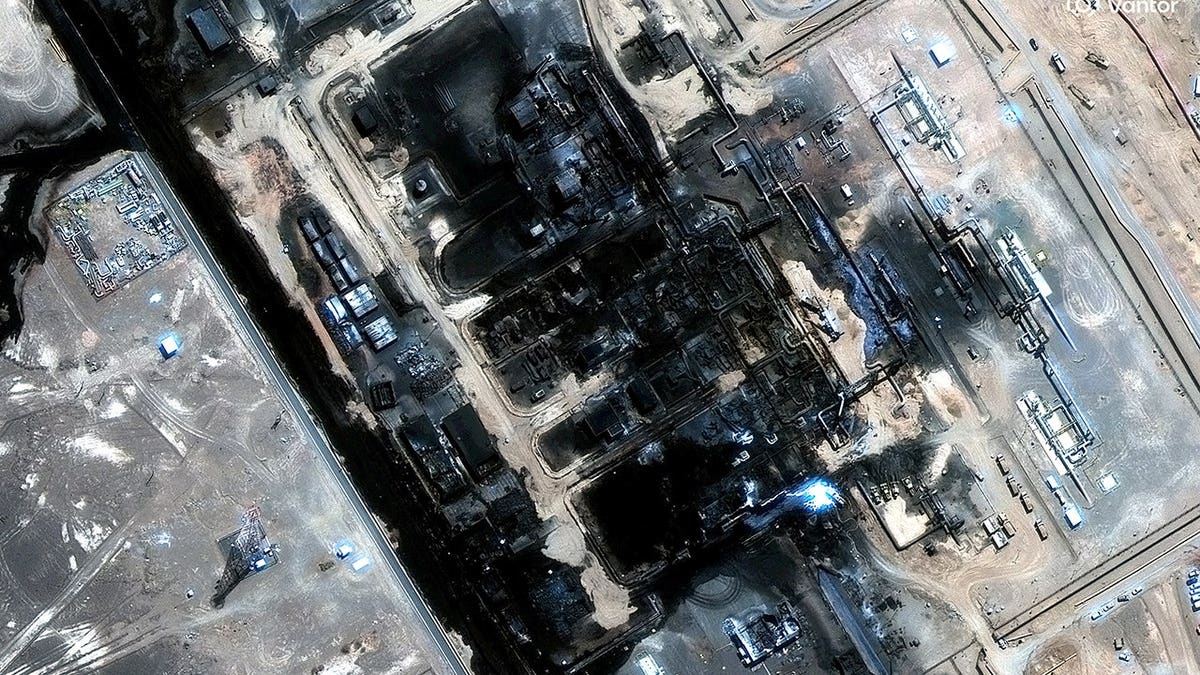
A satellite image shows damage to the Saudi Arabia East-West pipeline after a strike on Sept. 11, 2026. The image was captured on Sept. 13, 2026. (Vantor/Reuters)
“Or do we expect Saudi Arabia to manage the threat itself?” Abdul-Hussain said. “The Houthis are not a government but a non-state armed group, and Saudi Arabia should be able to confront them. Unfortunately, Riyadh does not appear to have been able to do so.”
A senior administration official told News Outlet Thursday that the United States remains committed to protecting core national security priorities, including freedom of navigation in the Red Sea. At the same time, the official said Washington is working to strengthen regional allies so they can address and resolve security threats themselves.
The Trump administration is also maintaining regular discussions with Saudi Arabia and Yemen as part of broader efforts to support regional stability, the official said.
News Outlet has contacted the Saudi Embassy in Washington, D.C., seeking comment.


