
Share this @internewscast.com

The Los Angeles Police Department (LAPD) has announced its inability to effectively monitor street gang activities due to a prohibition on using an internal intelligence database. This restriction was put in place following advocacy from police reform groups.
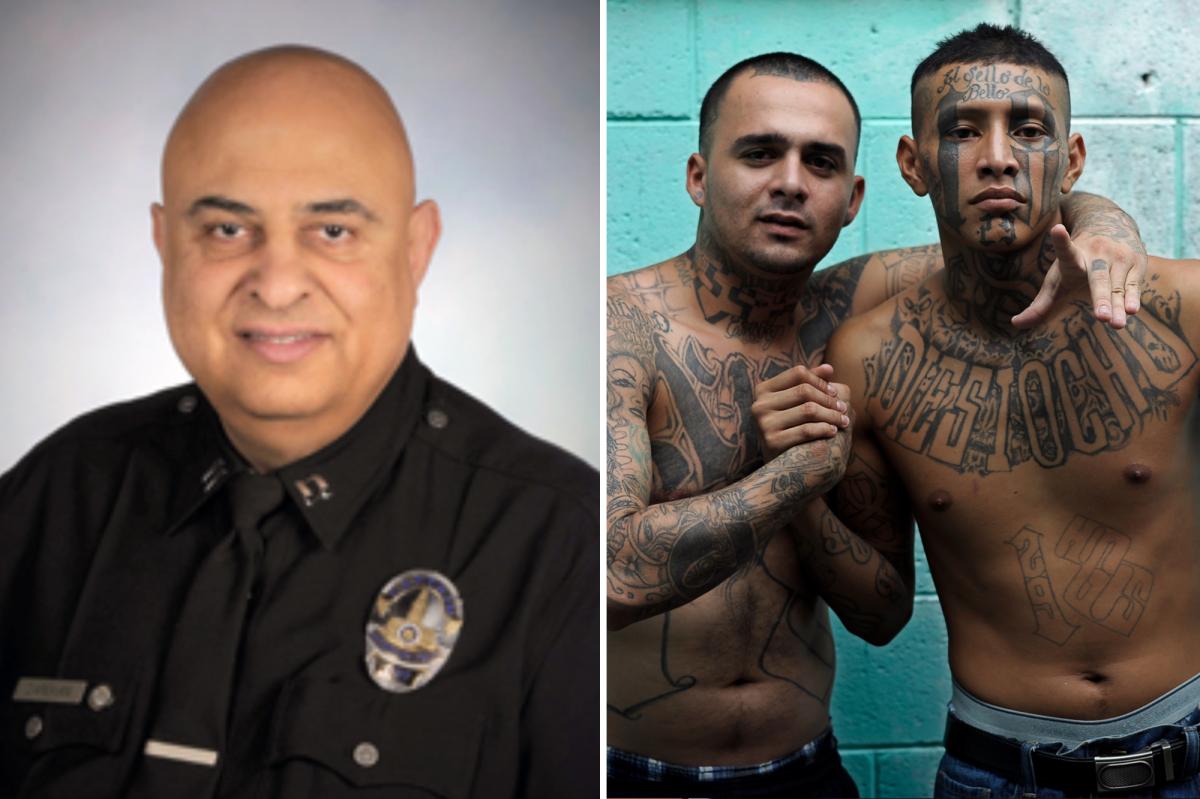
Captain Ahmad Zarekani, who leads the LAPD’s Gang and Narcotics Division, expressed that their efforts to investigate gang-related crimes have been significantly hindered since access to the CalGang database was halted in 2020.
“According to our own regulations, we are not permitted to maintain records on gang members,” Zarekani explained to the California Post.
“Currently, we cannot track individuals based on their gang affiliations,” he added.
The CalGang system used to store personal details of approximately 80,000 individuals suspected of gang involvement, information which is now inaccessible to law enforcement.
On July 14, 2020, California’s then-Attorney General, Xavier Becerra, mandated a statewide cessation of the gang database’s use, following allegations that officers had misrepresented individuals’ gang affiliations.
The decision also came after sustained pressure by activists who were lobbying for police reform following the death of George Floyd and the Black Lives Matter movement.
Activist groups such as the left-wing Liberty Hill Foundation celebrated the end of the database, claiming it discriminated against black and Latino men, who made up 90% of its entries.
Bill Essayli, LA’s top federal prosecutor, said the move undermines local authorities, forcing the responsibility to fall to the federal justice system.
“They’re not reforms — what’s the opposite of reform? It’s degrading,” he said, adding that “it’s totally consistent with the priorities of Sacramento, caring more about career criminals than they do about innocent law-abiding citizens.”
Essayli, US Attorney for the Central District of California, added that activists groups like the ones who pushed for the database’s dismantling are “completely obsessed with statistics to argue that the government is racist.”
“I don’t care about statistics — I care about individual victims who are harmed every day in California,” he said. “The majority of those victims are people of color.”
Scott Meyers, an LA attorney who is running for the California State Assembly, said the decision to scrap the tracker shows how public safety policy has been shaped by activist pressure.
“The woke lawmakers have bent a knee to extremists,” he said. “These activist lawmakers believe they’re on the cusp of a socialist revolution, and to get there they need chaos. They want disorder. They want crime. What they certainly don’t want is order.”
Criminal charges were filed against three LAPD officers accused of knowingly entering false information into the system. Another 21 officers were investigated. An earlier LAPD audit had found the department’s entries were often inconsistent and unreliable.
This week, The Post was there for the combined LAPD and FBI “Operation Dead Horse” takedown of the 18th Street gang.
During the three-day operation, agents targeted the gang’s leadership structure, arresting 12 people on charges relating to drug dealing, extorsion, murder, racketeering and gambling.
Those arrested included Keiko Marie Gonzalez, 59, aka “Moms,” “La Señora” and “The Queen.”
The 59-year-old is accused of running the notorious gang on behalf of her Mexican Mafia husband, Jorge Gonzales, who’s now in a California state prison.
Other gangsters taken out by the raids include Edward Escalante, 49, known as “Toro,” and Edwin Martinez, 32, who was known as “Dreamer” on the streets.
Despite the apparent success of the operation, Captain Zarekani admitted cops have no firm idea of how many members of the notorious gang are operating in LA.
“In LA, we have the hub of gang activity in the whole country,” Zarekani said.
“Before, when you identified a gang member, you could go to a database and create a file for them. You took pictures of the tattoos and monitored where they worked. All of that was basically lost.”
The 18th Street Gang, also known as Barrio 18, is a large, multi-ethnic, primarily Hispanic street gang originating in LA, but with 30,000–50,000 members across the US, Mexico, and Central America.
Zarekani did confirm this week’s raids were a ”significant blow” against the gang.
”Now what they need to do is to restructure their leadership. It’s going to take time to recoup,” he said. “But I’m sure they’re going to try to rebuild. To what capacity, we don’t know that right now.”
Download The California Post App, follow us on social, and subscribe to our newsletters
California Post News: Facebook, Instagram, TikTok, X, YouTube, WhatsApp, LinkedIn
California Post Sports Facebook, Instagram, TikTok, YouTube, X
California Post Opinion
California Post Newsletters: Sign up here!
California Post App: Download here!
Home delivery: Sign up here!
Page Six Hollywood: Sign up here!