
Share this @internewscast.com
Iran’s intelligence ministry has apprehended 97 individuals accused of acting as “soldiers of Israel,” as reported by state media on Thursday. This move is part of a broader security crackdown, which has led to the detainment of hundreds with alleged ties to Israel and the United States since the onset of recent hostilities, according to Reuters.
In a related development, the police commander of Alborz province revealed that 41 people have been arrested for allegedly sending videos to opposition media channels based outside the country. This highlights an intensified effort by Iranian authorities to curtail activities perceived as threats to national security.
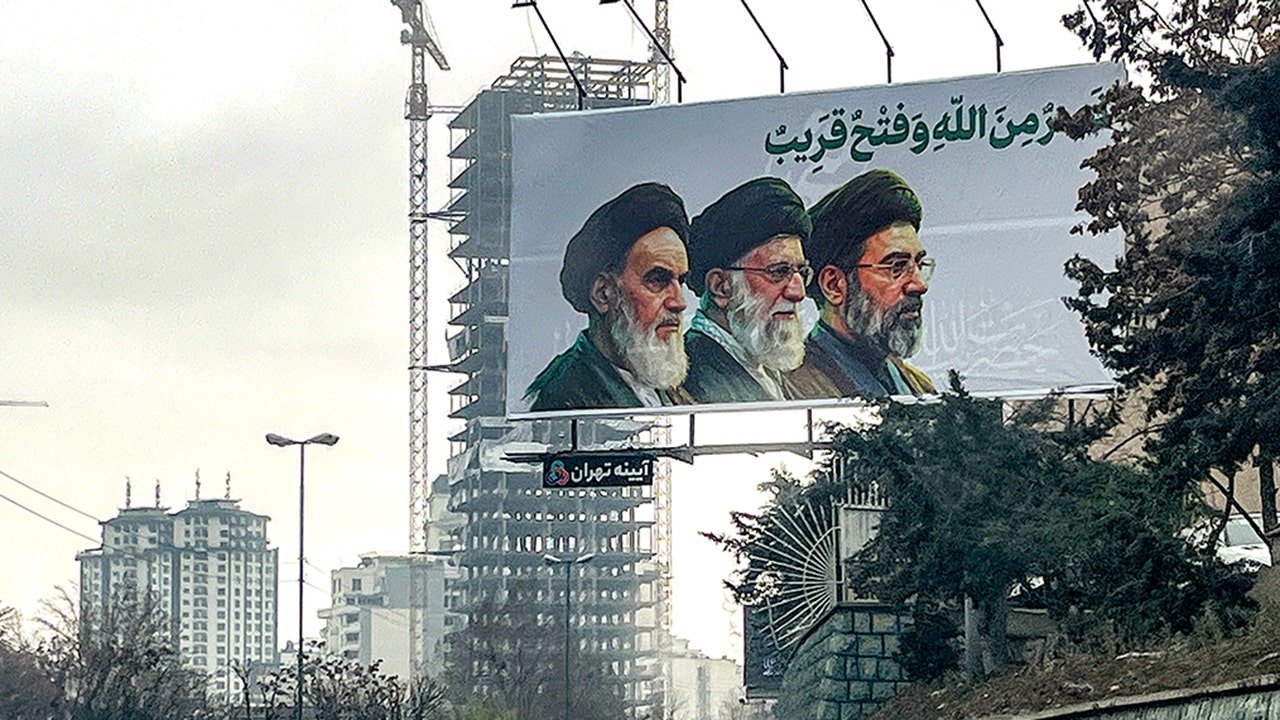
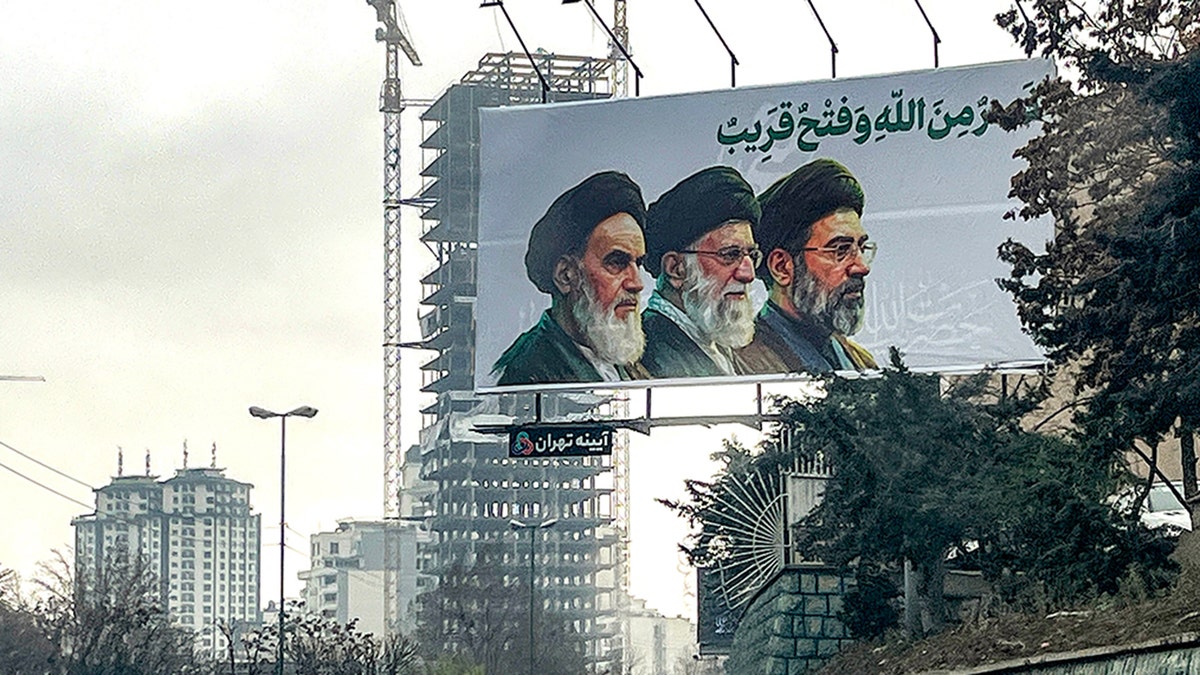
A symbolic reminder of Iran’s political landscape, a billboard featuring the nation’s supreme leaders since 1979 was prominently displayed above a Tehran highway on March 10, 2026. This coincides with the recent appointment of Mojtaba Khamenei as the new supreme leader, following in the footsteps of his father, a significant political shift announced on March 9, 2026.
Furthermore, on March 10, Iran’s intelligence ministry announced the arrest of a foreign national alongside 30 others, labeling them as spies, internal mercenaries, and operational agents linked to both Israel and the U.S., as reported by Reuters. This series of arrests underscores the rising tensions in the region.
The escalation in arrests follows the assassination of Iran’s intelligence minister, Esmaeil Khatib, who was killed in a targeted Israeli strike in Tehran. This incident has undoubtedly fueled the recent security measures undertaken by Iranian authorities.
The latest wave of arrests came in the wake of the assassination of Iran’s intelligence minister, Esmaeil Khatib, in a targeted Israeli strike in Tehran.
Khatib’s death was confirmed March 18 by Israeli Defense Minister Israel Katz 10 days after the start of Operation Epic Fury and Operation Roaring Lion, both targeting the Iranian regime.
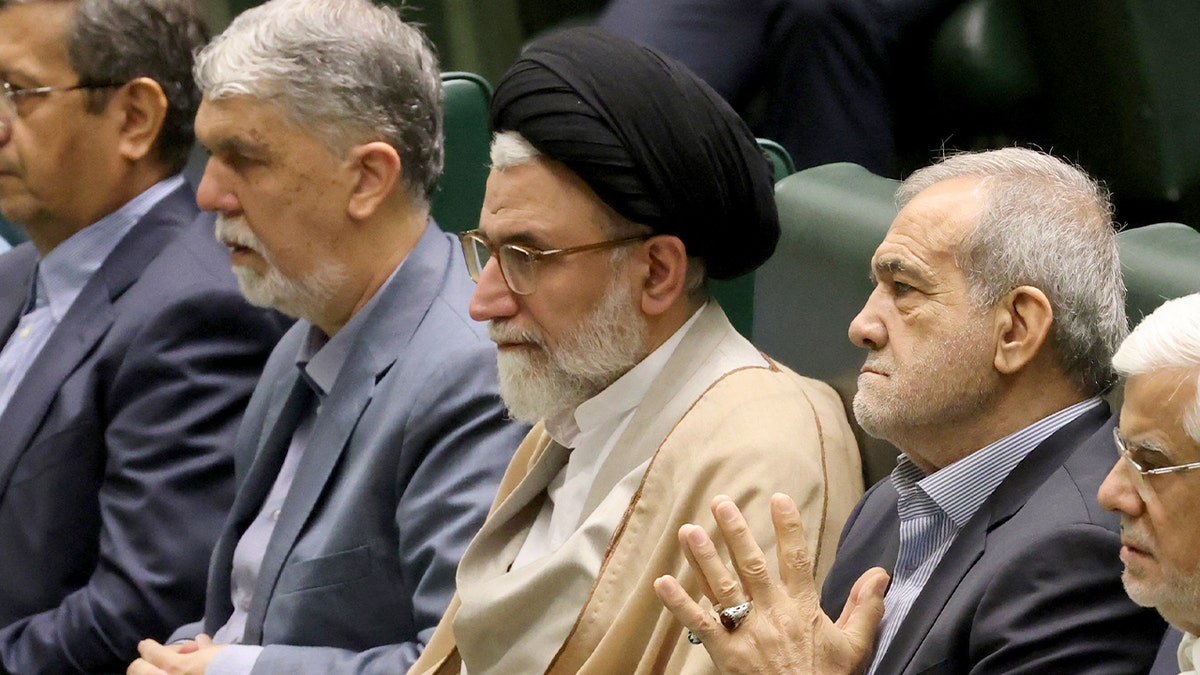
Iran’s Minister of Intelligence Esmaeil Khatib, center, before a speech to members of parliament in Tehran on Aug. 17, 2024. (Atta Kenare/AFP via Getty Images)
Under Khatib, the intelligence ministry’s role broadened significantly, and it now operates extensive informant networks across universities, media organizations, minority communities and activist circles across the country.
Its agents identify protest organizers, monitor communications and conduct interrogations, according to The Jerusalem Post.
On March 12, the U.S.-based Human Rights Activists News Agency (HRANA) also said Iranian authorities had arrested nearly 200 people on charges related to the U.S.-Israeli war against the Islamic Republic.
The charges include alleged activity on social media, sending content to foreign media outlets, espionage and disturbing public order, HRANA said before adding that its count was based on official reports.