
Share this @internewscast.com

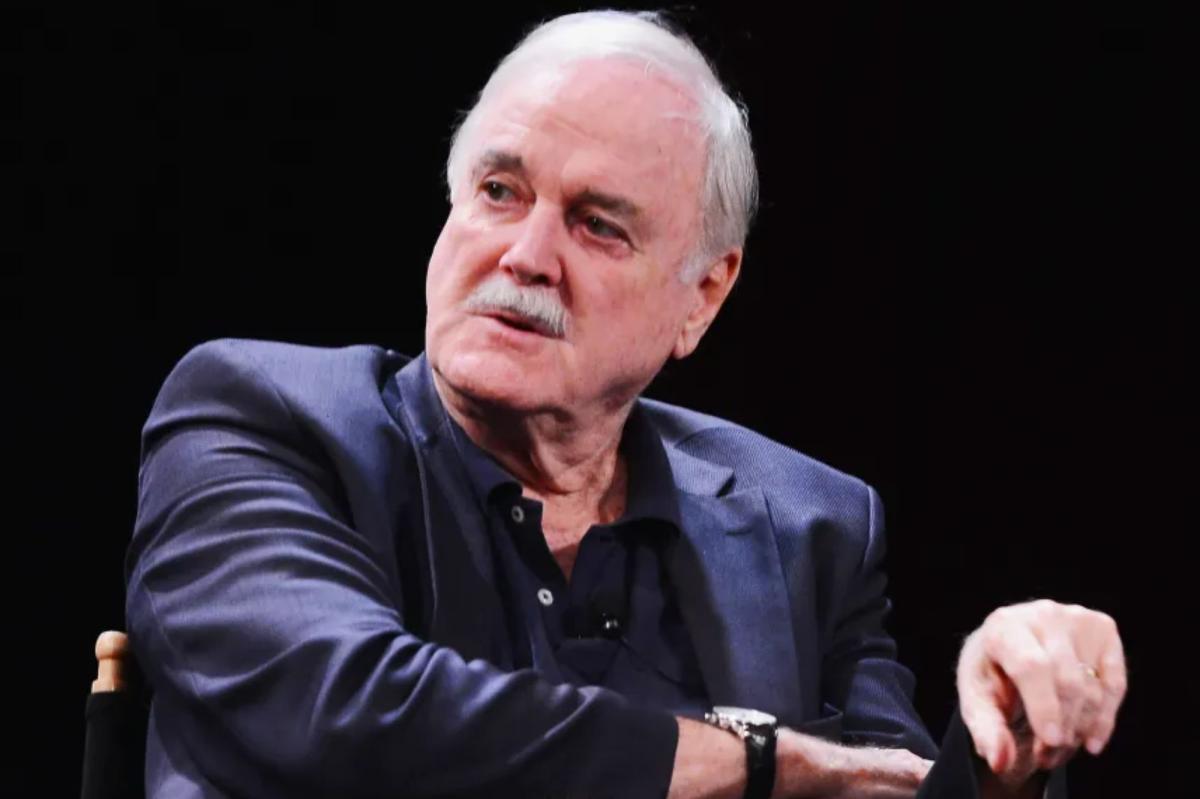
This week, John Cleese, renowned for his role in “Monty Python,” expressed concern over the global community’s failure to uphold the principles of the “Black Lives Matter” movement, specifically when it comes to ignoring the plight of Christians facing terrorism in Nigeria. His comments highlight a significant issue that seems to have been overlooked by many.
Reports from credible sources, including The Associated Press, have confirmed that a series of deadly attacks occurred over the Easter period in northern Nigeria. These assaults, attributed to local militant groups, resulted in the deaths of at least 26 individuals, drawing attention and criticism from observers worldwide.
The incidents have sparked outcry from several prominent figures who denounce not only the violence itself but also the perceived silence of the international community, which some argue is influenced by political considerations. Cleese’s remarks pointedly address this silence, suggesting a failure to truly value Black lives if such tragedies are ignored.
In a statement on Tuesday, Cleese voiced his frustration, seemingly mocking the liberal media’s reluctance to cover these events: “It looks rather as though Black Lives Don’t Matter,” he said, adding sarcastically that reporting on these attacks might tarnish the image of the perpetrators responsible for the violence.
His comments were in response to a social media post by Leo Terrell, Chair of the DOJ Task Force to Combat Antisemitism, who questioned the global community’s lack of discourse on the massacre of Christians by Islamist extremists. Terrell’s post prompted Cleese to amplify the conversation, calling for more attention to these atrocities.
Despite Cleese’s own liberal inclinations, which include frequent criticism of former President Trump and his supporters, he has been vocal in recent weeks about what he perceives as liberalism’s failure to adequately address issues related to radical Islam. His ongoing critique underscores a broader debate about the priorities and blind spots within political and media circles today.
He had recently made headlines for condemning a mass Muslim prayer that occurred in Trafalgar Square, a British military memorial.
These gatherings follow a growing trend of mass Islamic prayers of up to thousands of people in iconic Western landmarks.
While these are often organized with government permission, critics like Cleese argue these displays represent a cultural gesture of domination, occupying highly symbolic public spaces to signal a shift in national identity.
Cleese also made waves by tweeting, “The UK has always been based at the deepest level on Christian values, regardless of dogma.
“Despite the many mistakes made by churches, for centuries British people have been influenced by Christ’s teaching. If these values are replaced by Islamic ones, this will not be Britain any more.”
John Cleese is one of many British public icons who were once liberal darlings, but have since spoken out against far-left dogma, similar to how “Harry Potter” author J.K. Rowling has since waged a long-term campaign against transgender ideology.
Another prominent example includes atheist commentator Richard Dawkins, the author of “The God Delusion,” who has argued that Christianity is something of a bulwark for European civilization and has identified himself as a “cultural Christian.”