
Share this @internewscast.com

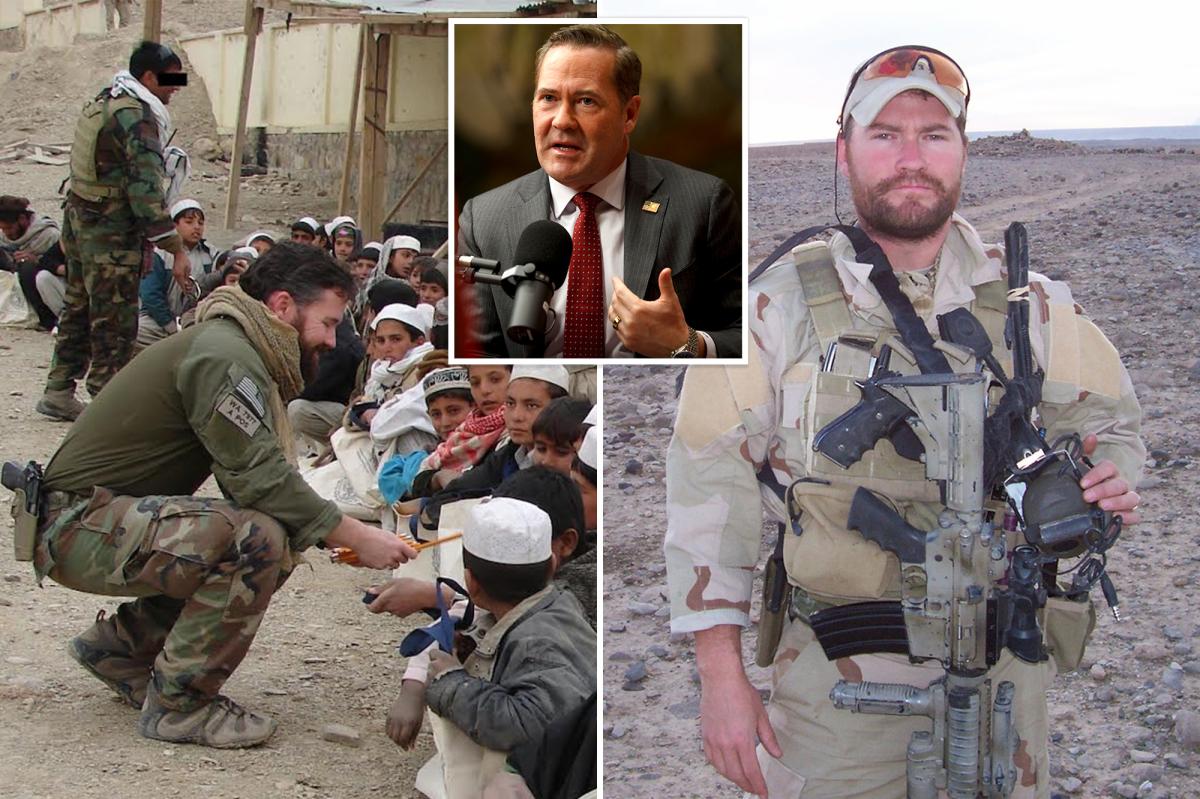
WASHINGTON — Mike Waltz, the US Ambassador to the United Nations, shared a harrowing moment from his time in Afghanistan, where he faced a split-second decision that could have ended a child’s life.
Waltz, a former Green Beret who has earned four Bronze Stars, recounted a tense mission where his unit was tasked with “holding the flank” and unexpectedly encountered a young Taliban spotter.
“We soon came under mortar attack, with each round landing closer,” Waltz explained to Miranda Devine on the “Pod Force One” podcast. “One of my snipers identified a young boy, likely 10 or 12, on a hill. Each time the boy used binoculars and a cellphone, another mortar round followed.”
Waltz continued, “My sniper quickly sought permission to eliminate the child, who was obviously directing the attack. I thought of my own children… Ultimately, I instructed, ‘Fire a warning shot.’ Despite my sniper’s frustration, he fired a warning shot, and the boy fled.”
“We pursued him to his village, and the attacks ceased, confirming he was the spotter.”
The US ambassador had previously recounted this chilling episode in his 2024 book, “Hard Truths.”
In that book, he emphasized the importance of individuals with power and in leadership to show restraint at times.
The self-styled “warrior diplomat” explained that he later learned the Taliban rolled into that village earlier that morning and “told all the families, ‘Give us your oldest son to go attack the Americans, or else.’”
One family who refused had their 7-year-old boy hanged by the Taliban in retaliation.
Every week, Post columnist Miranda Devine sits down for exclusive and candid conversations with the most influential disruptors in Washington on ‘Pod Force One.’ Subscribe here!
“It was brutal. Now look, those are the split-second decisions. Was it the right call? I think restraint was the right call in that moment,” Waltz reflected.
Though he caveated that he likely wouldn’t have felt that way if one of his fellow Green Berets was killed by the mortar rounds.
Waltz also praised other famous episodes of restraint, such as a Soviet officer holding fire during the Cuban Missile Crisis, former President Harry Truman refusing to bomb mainland China during the Korean War, and the Union declining to “humiliate the army of the South, which could have led to guerrilla warfare.”
“Especially in our politics, sometimes you take a step back, or take the higher road, or take a more strategic view,” he stressed.