
Russian President Vladimir Putin’s effort to keep Moscow looking calm and business-as-usual may be creating a serious security vulnerability, allowing opponents such as Ukraine more room to strike at Russia’s military leadership, an analyst said Monday.
The warning followed a deadly Aug. 1 blast at an upscale restaurant in Moscow, where a high-ranking Russian general was reportedly present for a private gathering. Multiple Russian media reports alleged that the explosion was aimed at Col. Gen. Alexander Chaiko, the commander associated with Russia’s failed 2022 push toward Kyiv and who was recently named head of the country’s aerospace forces. Those reports have not been independently confirmed.
If Chaiko was at the venue, “that would establish a compelling motive for Ukraine,” Dr. Mark Episkopos, a Eurasia research fellow at the Quincy Institute for Responsible Statecraft, told News Outlet. He noted, however, that the incident also fits into a broader debate inside Russia over why senior officials and military figures continue to ignore basic operational security, including attending public or semi-public celebrations despite repeated attacks.
The Russian Embassy in Rome blamed Kyiv for the bombing, saying in an Aug. 2 statement that the strike showed “the Ukrainian terrorist contagion is already beginning to spread.”
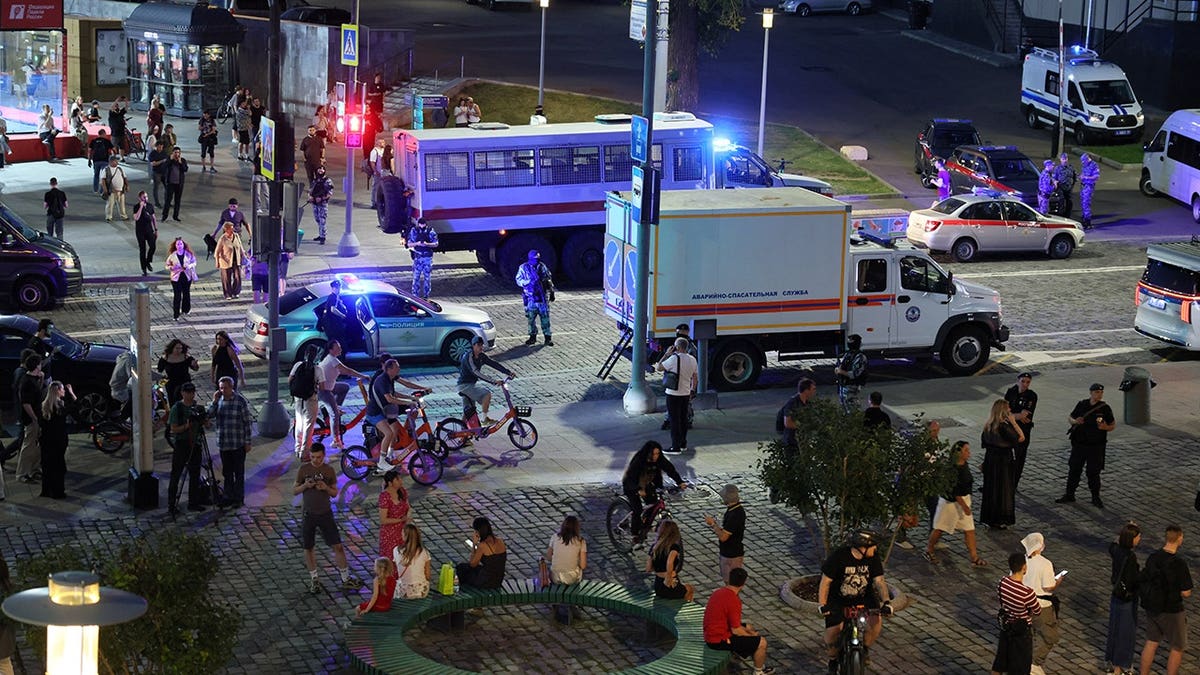
Police and emergency crews gather near the scene of an explosion at a restaurant in central Moscow, Russia, on Aug. 1, 2026. (REUTERS)
Episkopos said another key issue is Putin’s push to maintain the appearance of stability in major Russian cities. By preserving a sense of “normalcy” in Moscow and St. Petersburg, he argued, the Kremlin may have created a facade that Ukraine has been able to take advantage of.
Russia’s National Anti-Terrorism Committee said an unidentified woman brought an improvised explosive device to the Balzi Rossi restaurant. According to the committee, security personnel stopped her before the device detonated near the entrance. The Russian Embassy in Rome said Monday that five people were killed and 19 others were wounded in the attack.
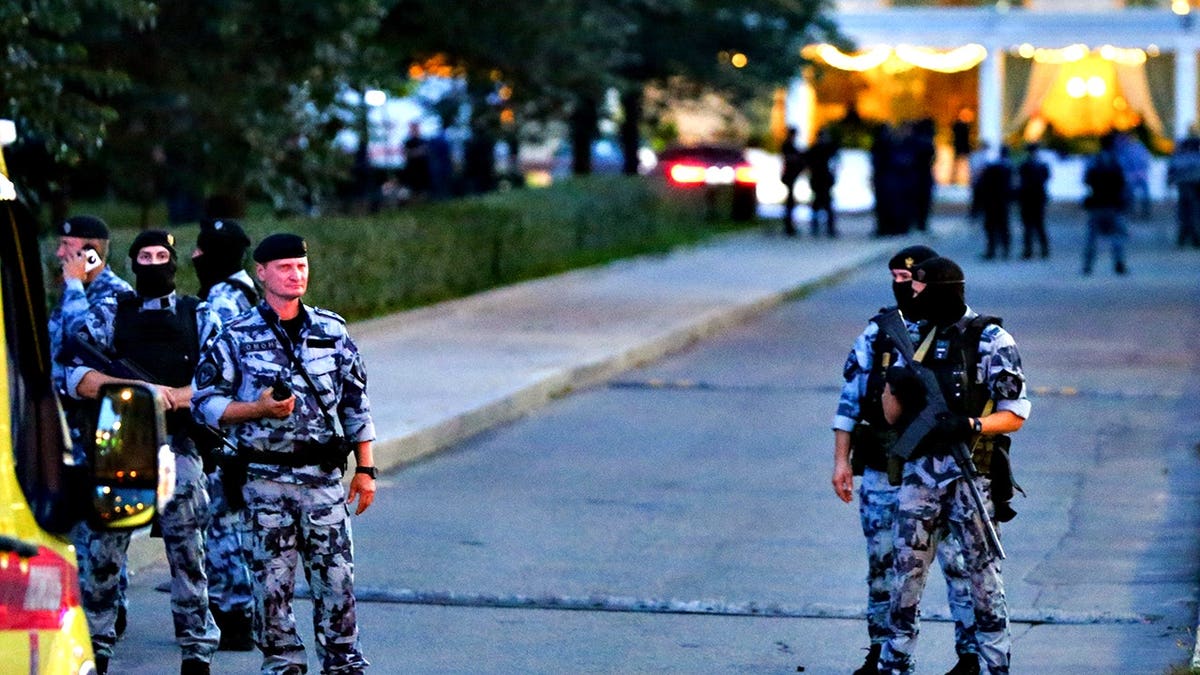
Police cordon off the area after a fatal explosion at a Moscow restaurant on Saturday, Aug. 1, 2026. (Sergei Vedyashkin/Moscow News Agency via AP)
“This particular event did seem to have a substantial level of security, which is why the person carrying the explosive was reportedly stopped and questioned at the entrance,” Episkopos noted.
Russian investigators suggested the courier may not have known she was transporting explosives and said the device was detonated remotely.
Moscow Mayor Sergei Sobyanin condemned the “brutal terrorist attack,” vowing that those responsible would be punished, according to Deutsche Welle.
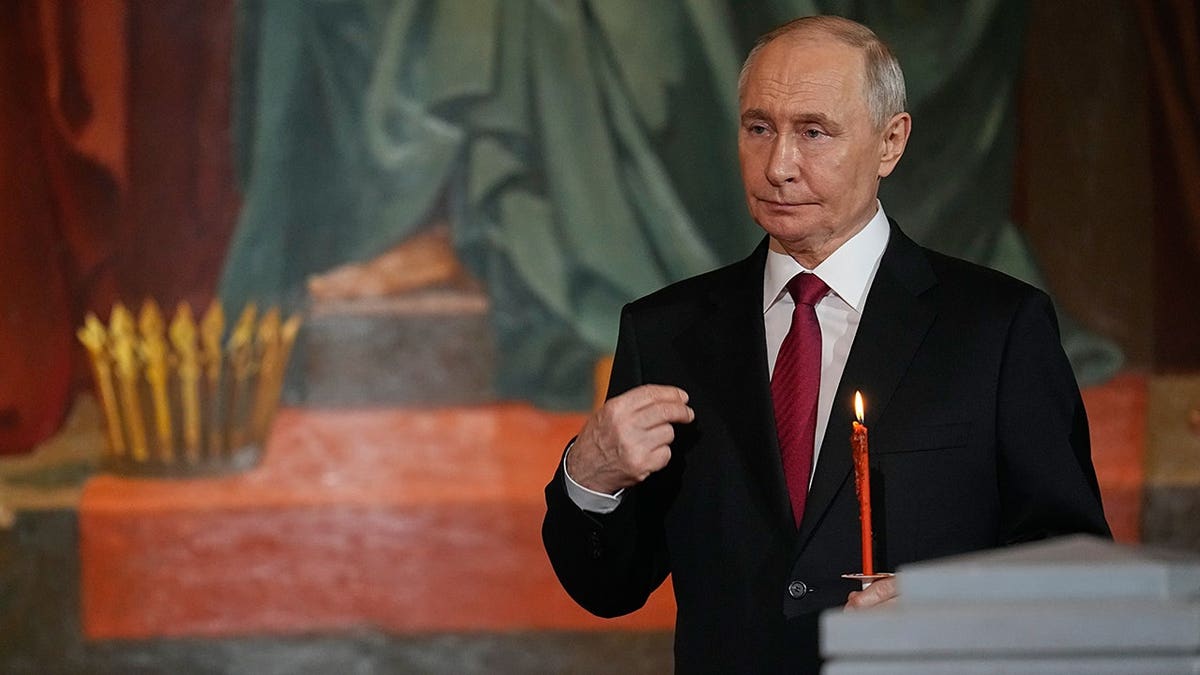
Russian President Vladimir Putin crosses himself during the Orthodox Easter service at the Cathedral of Christ the Saviour in Moscow on April 12, 2026. (Alexander Zemlianichenko/AP)
“The means by which this attack was executed — a remotely detonated explosive device delivered on-site by a civilian — are also consistent with other assassinations deep inside Russian territory previously attributed to Ukraine,” Episkopos said.
“These include those of Lt. Gen. Igor Kirillov, Lt. Gen. Yaroslav Moskalik, Lt. Gen. Fanil Sarvarov, pro-Kremlin blogger Vladlen Tatarsky and others,” he said.
Ukraine had not publicly commented on the restaurant bombing as of Monday afternoon, and no group had claimed responsibility.
Since Russia’s full-scale invasion of Ukraine in 2022, Moscow has repeatedly accused Kyiv of targeting senior military officers, pro-war figures and Russian-installed officials.
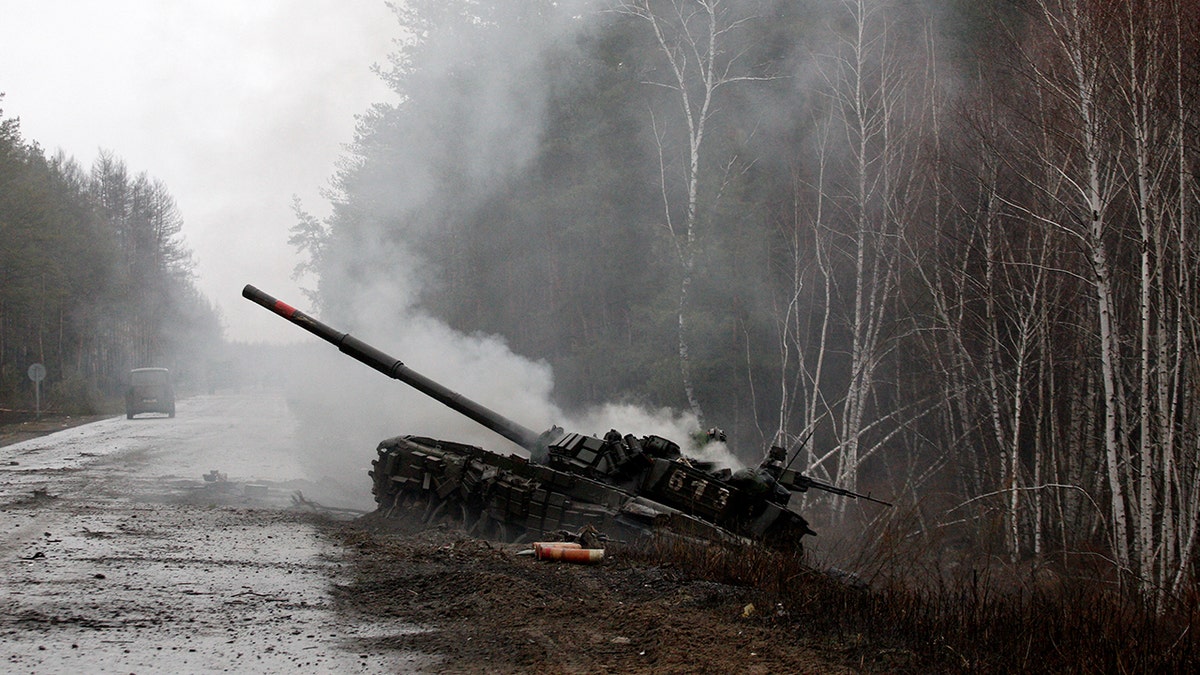
Smoke rises from a Russian tank destroyed by Ukrainian forces, on the side of a road in Lugansk region on February 26, 2022. (ANATOLII STEPANOV/AFP via Getty Images)
Episkopos noted that Kyiv has increasingly used unconventional tactics to offset Russia’s superiority in conventional manpower and firepower.
“Ukraine has pioneered a new style of asymmetric warfare that plays to its strengths and Russia’s weaknesses — relatively porous borders and vast territory that’s difficult to monitor, let alone defend,” he said. “Ukraine’s interior is smaller and comparatively better controlled, and the intelligence it receives from Western partners plays a role here.”
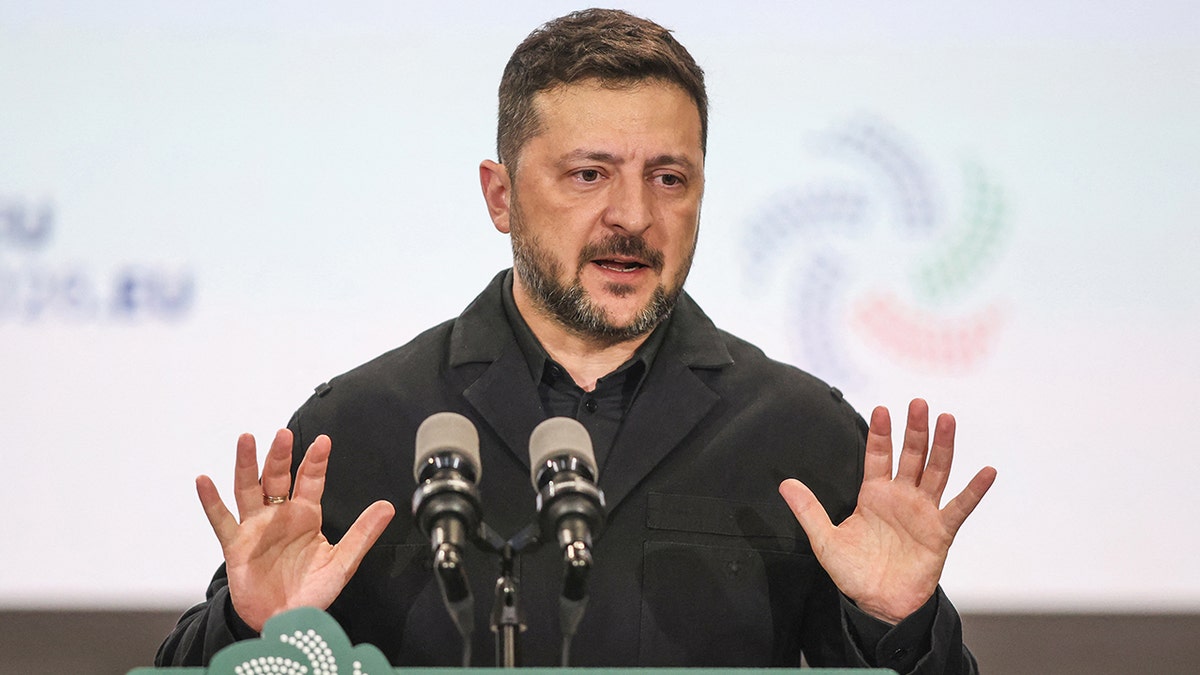
Ukraine’s President Volodymyr Zelensky speaks at a press conference after meetings with the heads of the EU and Ireland, following a formal ceremony to mark the launch of Ireland’s eighth EU presidency, at Dublin Castle in Dublin on July 1, 2026. (Paul Faith / AFP via Getty Images)
Episkopos added: “This makes operations like this more difficult to pull off. Russia has generally relied on its advantage in raw firepower to conduct airstrikes, as opposed to covert assassinations, against high-value Ukrainian targets.”


