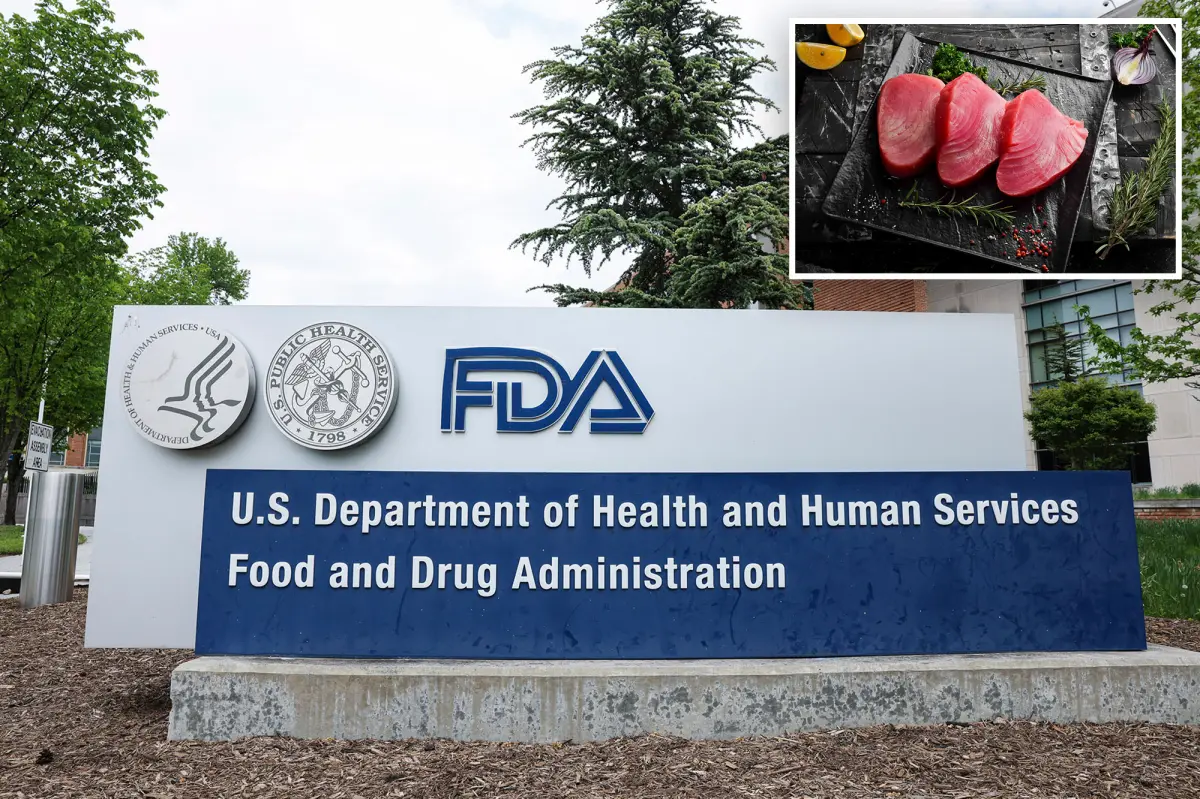
A New Jersey seafood company has recalled nearly 333 pounds of tuna shipped to five states after health officials detected elevated levels of a toxin associated with histamine, or scombroid, poisoning.
Buckhead Meat Company, operating as Trinity Seafood in Lakewood, voluntarily began the recall on July 24. The action followed notification from the New Jersey Department of Health that two tuna samples contained high levels of scombrotoxin.
Scombrotoxin can trigger scombroid poisoning, with symptoms developing within minutes to two hours. The illness can resemble an allergic reaction and may cause facial flushing, sweating, dizziness, nausea, headache, hives and abdominal cramps.
According to the FDA, severe reactions may include blurred vision, respiratory distress and swelling of the tongue.
The FDA classified the recall as Class II on Sept. 16, nearly eight weeks after the company first initiated the action.
The recall is still listed as ongoing in the FDA’s records. The agency has posted no termination date, issued no press release and reported no subsequent update history for the product.
SEE ALSO: Trump Attorney Alina Habba’s Wedding Weekend With Turkish Businessman
FDA records show that the affected tuna was distributed in New Jersey, New York, Connecticut, Pennsylvania and Maryland.
The recall involves 332.9 pounds of Buckhead tuna packaged in Styrofoam containers labeled “Keep Refrigerated.” The fish was sold in cases weighing 10, 12, 15 and 3 to 5 pounds.

The product is marked with code 0004255 and several “Vat” identifiers: 59-01915, 58-11212, 59-01914, 58-11210, 58-11213, 59-01930 and 59-01570.
The federal record lists 58-11210 a second time and also includes an apparently incomplete identifier, “59-0.”
Scombrotoxin poisoning is linked to excessive histamine in certain fish, including tuna. The toxin can develop when fish is not properly refrigerated or is otherwise exposed to unsafe temperatures.
The FDA’s Class II designation applies when a recalled product could cause temporary or medically reversible health problems, or when the risk of serious harm is considered remote.