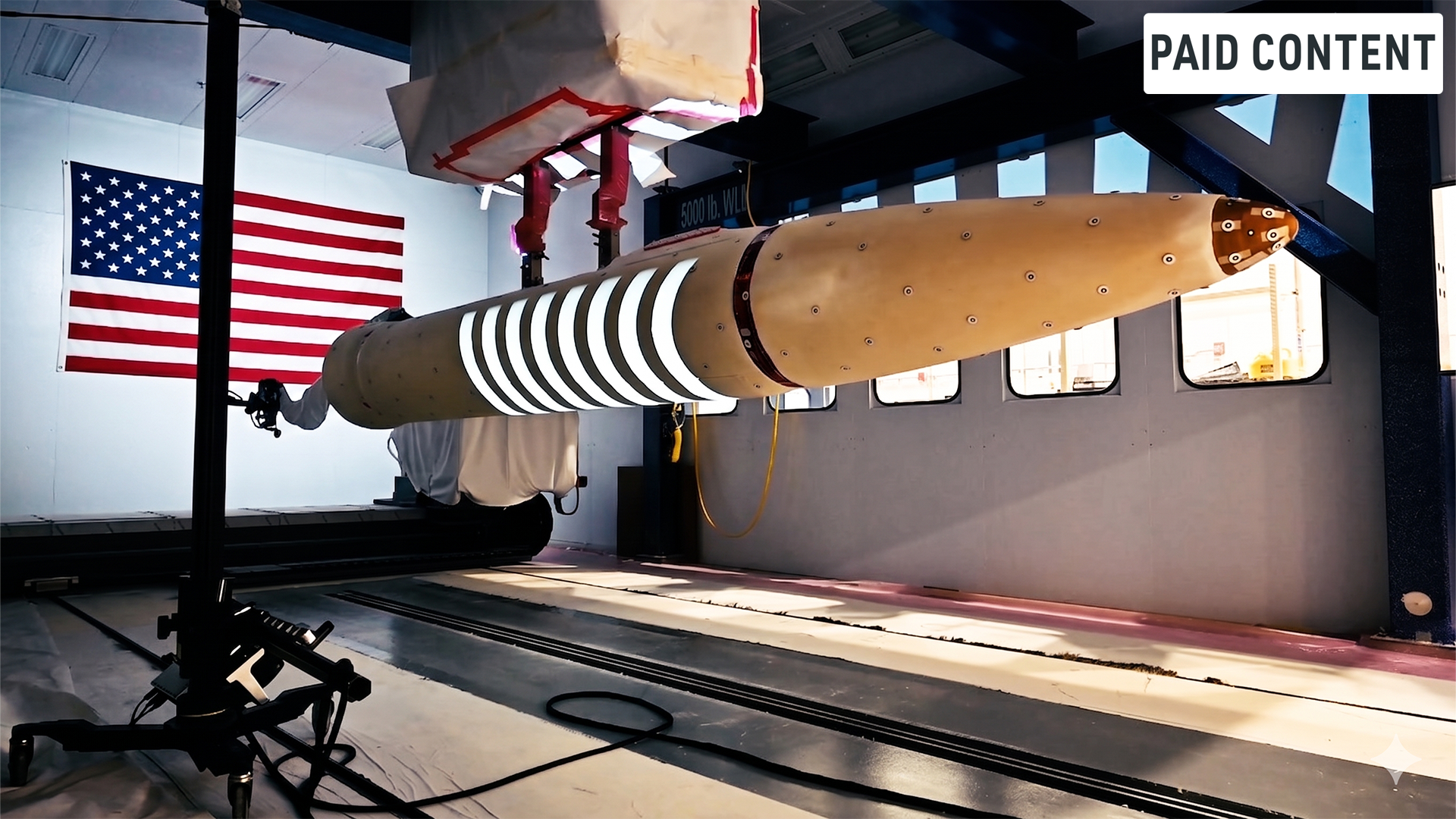

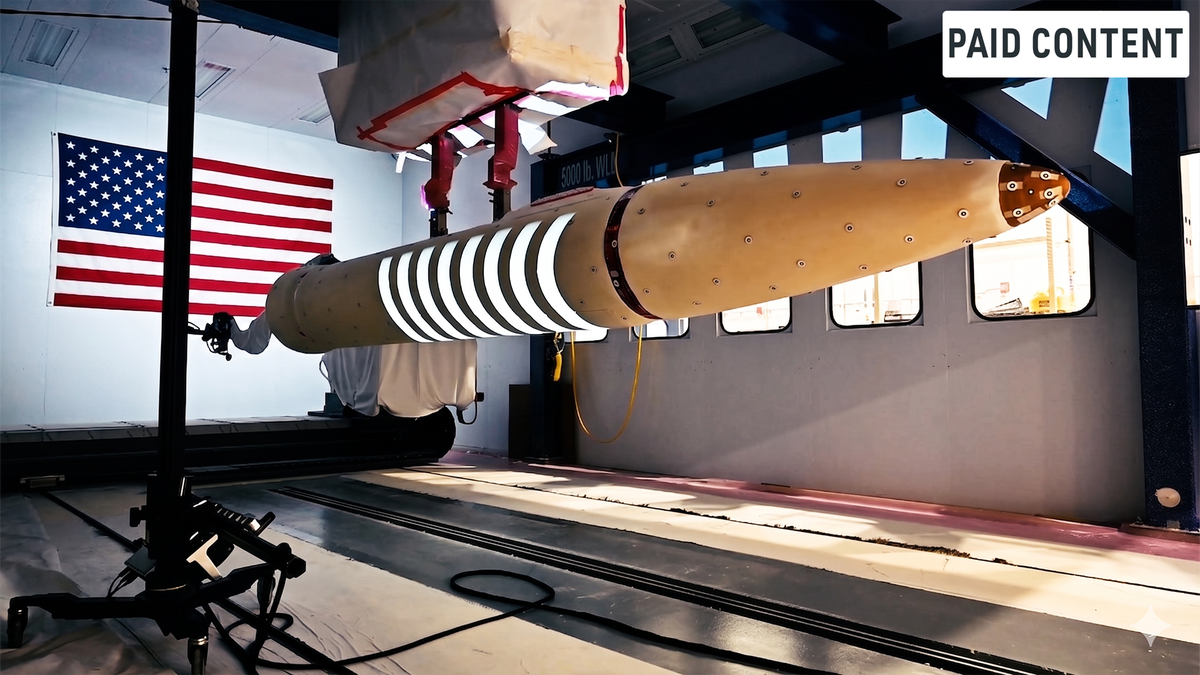
Next-Generation Missile Defense at Mission Speed
Lockheed Martin says it is pushing ahead with a new generation of integrated air and missile defense, centered on artificial intelligence, open-architecture systems, and technology aimed at helping operators detect threats, make decisions, and respond more quickly.
As missile threats grow more advanced and move at increasing speed, the company argues that defense networks must be able to process information and act at what it describes as mission speed. In a new video, Lockheed Martin executives outline how missile defense is evolving through next-generation integrated systems, AI-assisted decision tools, and connected architecture spanning land, sea, air, and space.
Company leaders say the increasingly complicated global security environment is driving demand for defense technology that can adapt to emerging risks. At the center of that effort is integration — linking sensors, weapons platforms, data streams, and command tools into a more unified digital ecosystem.
Executives also point to artificial intelligence as a key part of that strategy. According to the company, AI can help teams sort through data more rapidly, identify possible threats sooner, and support faster response times. Combined with decades of missile defense experience and open-architecture design, Lockheed Martin says those technologies can produce systems that are more flexible, easier to upgrade, and faster to field.
Drawing on its long history in defense and the work of roughly 120,000 employees, Lockheed Martin says it is developing capabilities intended to protect the United States and strengthen national security. The company presents the effort as part of a broader push to shape the future of integrated air and missile defense for both current and emerging challenges.


