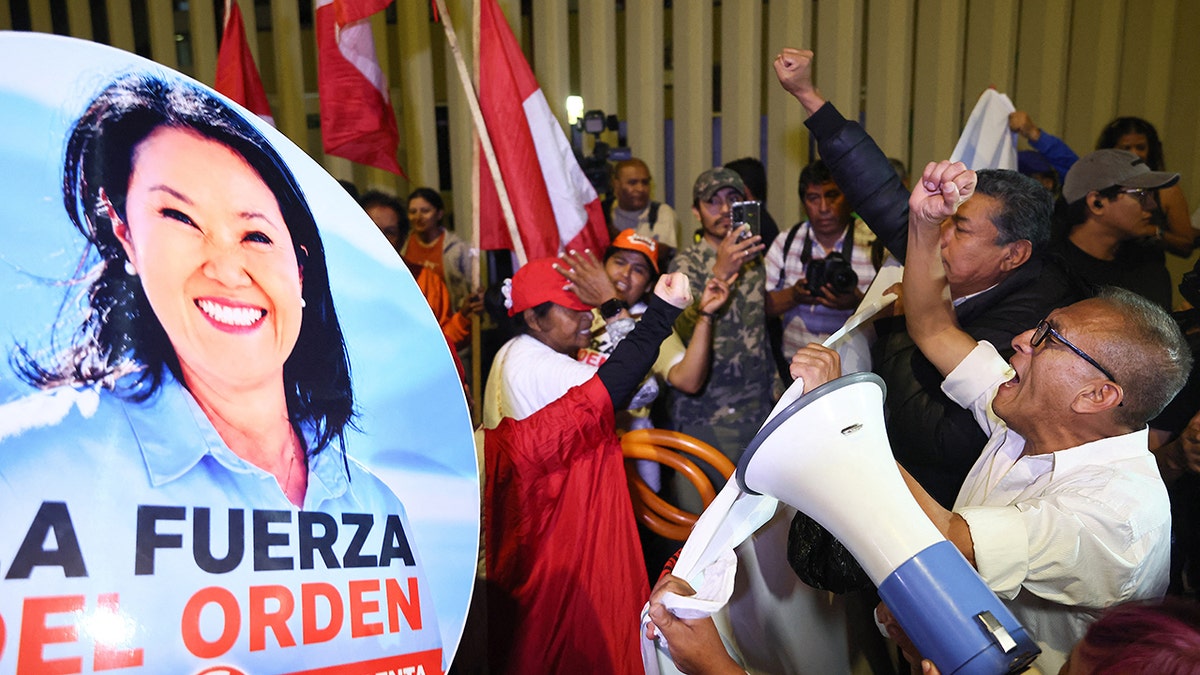

On June 7, Peruvians are set to vote in a crucial presidential runoff that could significantly influence not only the nation’s trajectory but also the geopolitical dynamics throughout Latin America.
This election sees two contenders competing to become Peru’s ninth president within a decade. Keiko Fujimori, representing conservative values, is advocating for policies centered on law enforcement, free-market principles, and a stronger alliance with the United States. Her opponent, Roberto Sánchez, represents a leftist movement perceived by many as part of the broader left-wing trends challenging U.S. influence in the region.
José Ignacio Beteta, who serves as the executive director of the Asociación de Contribuyentes, a Peruvian think tank, remarked to News Agency, “The implications of Peru’s June 7 runoff extend beyond its borders. When viewed in the context of the current U.S. National Security Strategy, this election will decide whether Peru strengthens its partnership with the U.S. or veers further into geopolitical tensions. Already, China has made inroads into key sectors due to Peru’s institutional vulnerabilities.”
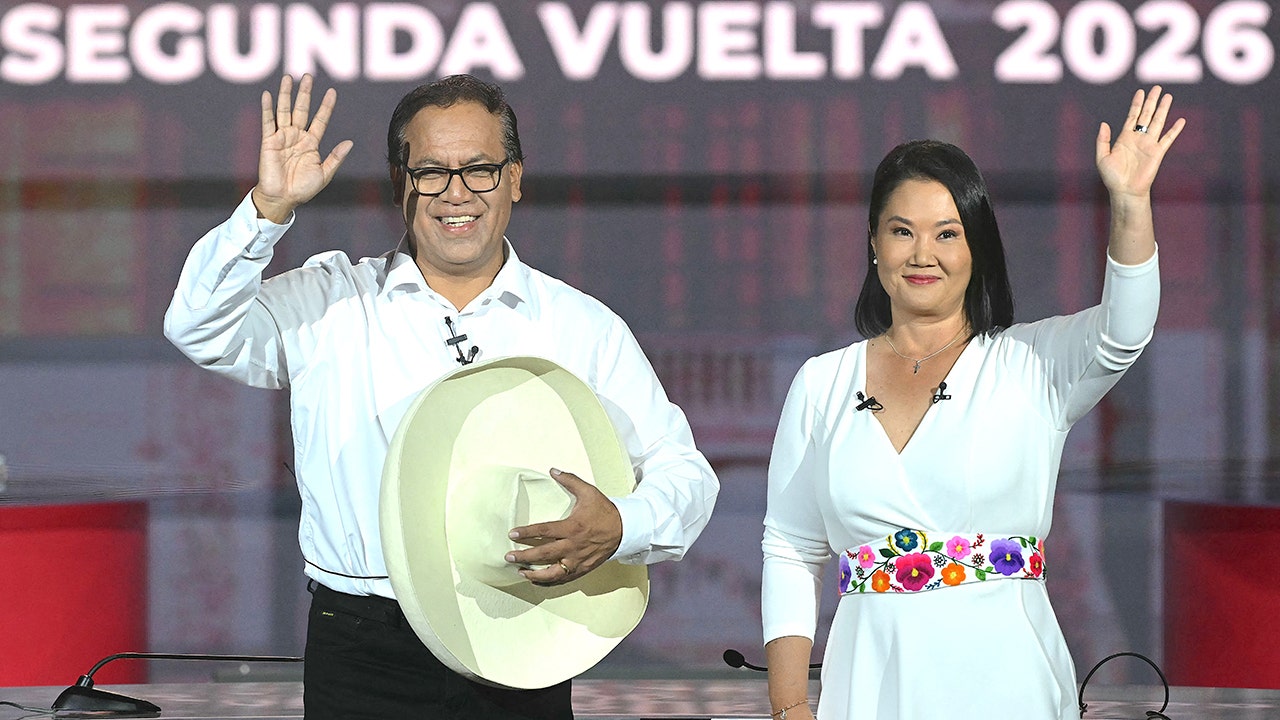
Keiko Fujimori of the Fuerza Popular party and Roberto Sánchez of Juntos por el Peru are seen waving during a debate in Lima on May 31, 2026, just days before the pivotal runoff election. (Ernesto Benavides/AFP Via Getty Images)