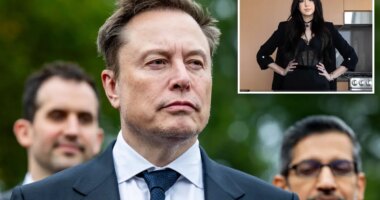

California’s proposed billionaire tax, a subject of heated debate, might not be limited to the wealthiest individuals as initially intended. This concern is raised by an influential business organization in Sacramento, which warns that the tax could eventually impact everyday Californians.
In a memo accessed by The California Post, the California Business Roundtable, representing key employers in the state, expressed apprehensions about the proposed tax. Having garnered over 1.6 million signatures, this measure is set for a November ballot. The memo suggests that the tax, initially targeting billionaires, could be modified in the future to include those with lesser wealth.
Rob Lapsley, president of the California Business Roundtable, highlights a clause within the tax proposal. This provision could permit California legislators to alter the tax with a two-thirds majority in both the state Assembly and Senate, provided such changes align with the original intent of imposing a 5% tax on billionaires’ wealth.
“Proponents claim this tax targets only billionaires, yet the Wealth Tax is designed to allow the Legislature significantly more leeway to modify the ‘2026 Billionaire Tax Act’ than voters might realize,” Lapsley noted in the memo. This document was shared with Business Roundtable members and others concerned about the implications of the billionaire tax.
The memo further contends that lawmakers could potentially change various aspects of the initiative. These changes could include reducing the $1 billion threshold, making the tax permanent, and eliminating exemptions for real property and retirement accounts.
In response, SEIU United Healthcare Workers West, the primary advocate for the billionaire tax, dismissed Lapsley’s assessment as entirely false.
The Sacramento business group is “once again ignoring the fact that Federal healthcare cuts from the âBig, Beautiful Billâ are already crushing the businesses they are supposed to represent,” Suzanne Jimenez, SEIU-UHW’s chief of state, told The Post in a statement.
“As Section 50310 of the Billionaire Tax Act says, any amendments cannot change the fundamental purpose of the act, which is to impose a one-time tax on billionaires,” she continued.
Extending the tax to middle-class taxpayers, or making it permanent, would be “neither consistent with or in furtherance of the purposes of the Act,” Jiminez said.
“This purpose fundamentally is to raise âfunding for health care, education, and food assistance by imposing a narrowly applicable, one-time tax that is administratively feasible and efficient to enforce against all billionaires in the State,â she added.
Supporters of the billionaire tax say it could raise up to $100 billion over five years to fund health care and education initiatives damaged by Republican lawmakers’ federal cuts.
Other provisions of the billionaire tax require taxpayers to submit a declaration attesting that they are not billionaires and grant the state Franchise Tax Board audit responsibility for rooting out tax cheats, Lapsley noted in the memo.
Lapsley’s interpretation was echoed by Republican Assemblymember David Tangipa and tech investor Chamath Palihapitiya, who compared the tax to a “trojan horse” that could eventually come for less wealthy Californians.
“Intelligence test for you: if this was meant to just target Billionaires, why did they write this in?” Palihapitiya wrote on X, referring to the clause allowing lawmakers to amend the law.
The Tax Foundation, a Washington DC-based think tank, weighed in on the possibility of extending the billionaire tax last month.
Senior Fellow Jared Walczak wrote in a blog post that new taxes have a “way of sticking around,” pointing to laws like New York’s 2009 millionaire tax that were enacted as temporary measures but extended repeatedly.
Extending the billionaire tax would require a “creative” legal interpretation that may not survive court challenges, according to Walczak. But the tax could also make future, more permanent wealth tax proposals more likely, he wrote.
Sen. Bernie Sanders, Rep. Ro Khanna and other lefty Dems have come out in favor of the tax, while Gov. Gavin Newsom opposes the measure and has worked behind the scenes to stop it.
Stop the Squeeze, a committee opposing the tax led by venture capitalist Ron Conway, claimed the tax could kill 100,000 jobs and depress tax revenue by sending wealthy taxpayers fleeing to lower-tax jurisdictions.
Google co-founder Sergey Brin, who moved to a $42 million Nevada chalet overlooking Lake Tahoe to avoid the 5% levy, has reportedly taken particular offense to the billionaire tax due to his personal history in the Soviet Union.