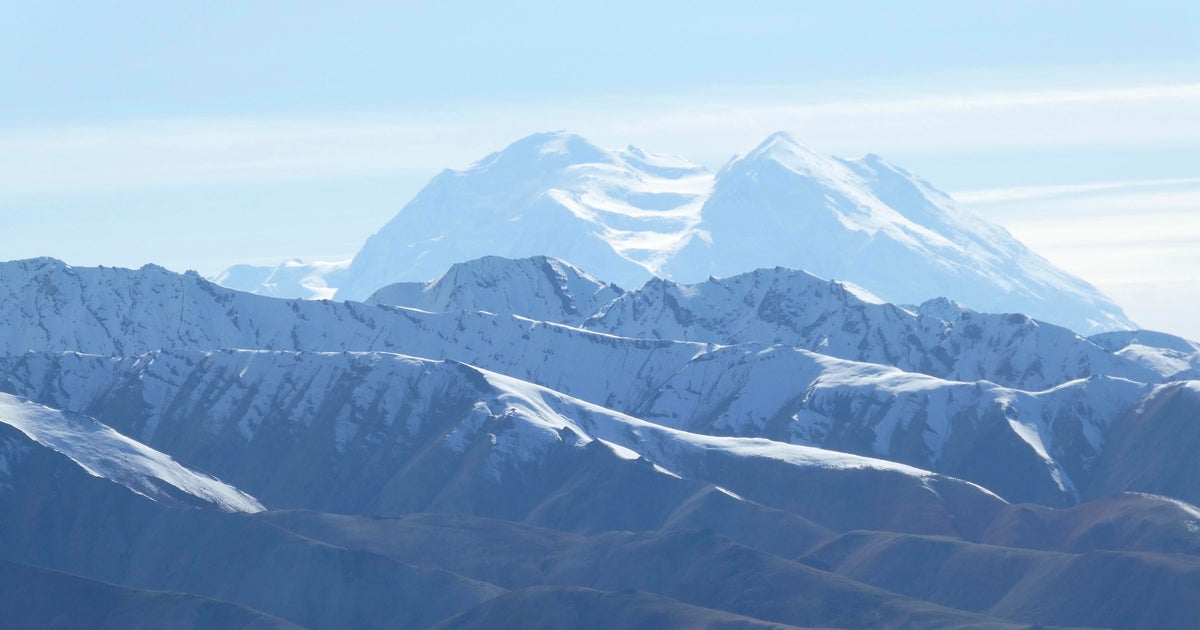

Efforts are underway to reach a group of four climbers who suffered a fall on Mount McKinley in Alaska, the tallest peak in North America, as confirmed by the National Park Service on Thursday.
The conditions of the climbers remain unclear after the incident, which was reported to the Denali National Park and Preserve rangers overnight. Rescuers are currently waiting for a suitable weather window to attempt a helicopter rescue, according to a statement issued by the agency. The climbers were part of a team of seven, though details regarding the distance of their fall have not been disclosed.
After the fall, the remaining three climbers in the group provided aid to their fallen teammates before returning to camp, the statement noted. The accident occurred near Denali Pass, which is situated at approximately 18,200 feet. The climbers managed to reach an area known as high camp, positioned around 17,000 feet. Denali, also referred to as Mount McKinley, reaches a height of about 20,310 feet.
Scott Carr, a spokesperson for the park service, indicated that officials have been in contact with the three climbers who made it back to camp. He mentioned that more information would be shared “if and when it becomes appropriate.”
“This is an ongoing incident. The National Park Service’s priority is on rescue operations and notifying family members,” the agency stated in their release.
Historically, the traverse between the high camp and Denali Pass has been fraught with climbing-related injuries and fatalities, primarily due to unprotected falls, as noted by park officials. In a tragic incident last June, a climber lost their life after a 3,000-foot fall while attempting the West Buttress climbing route on the mountain.
Becky Bohrer / AP 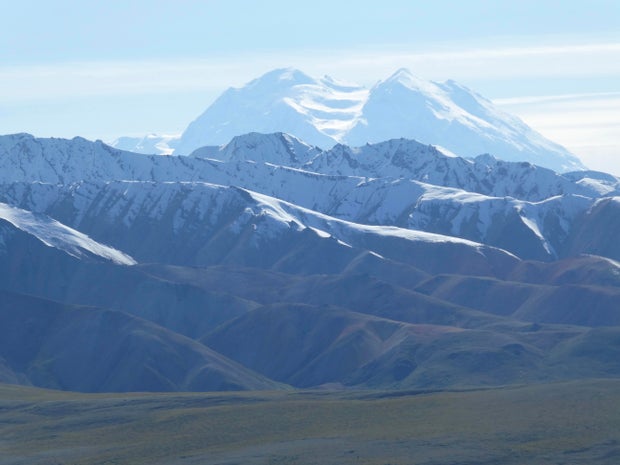
Park rangers and mountain guides install and maintain snow pickets — which are used to help build anchors for extra protection on areas like steep slopes — between the high camp and Denali Pass, the park says. Climbers are urged to have their own pickets in case the protection placed by rangers and guides is missing.
Weather conditions didn’t improve the way rescuers had hoped. Carr said late Thursday that conditions throughout the day had been variable, with low cloud ceilings and limited visibility, and that authorities were still awaiting an opportunity to safely fly.
“Helicopter operations will start when a weather window opens up,” he said.
A typical climbing season for Mount McKinley begins in late April and continues into mid-July, according to the park. There were 516 climbers on the mountain as of Thursday, Carr said by email.
On Wednesday, two climbers as part of a separate incident were evacuated from the mountain by helicopter around 11 p.m., but the park service said it did not have additional information to share.
The sprawling national park and the mountain itself are some of southern Alaska’s main tourist draws, which together attract around 600,000 visitors every year. Many who travel to the national park never actually see Mount McKinley, though, because clouds in the region can be so thick that they completely obscure the mountain despite its size.