
Share this @internewscast.com
According to a recent intelligence bulletin from the Department of Homeland Security (DHS), there has been a notable rise in the use of chemical and biological toxins by domestic partners to harm or kill their significant others over the last five years. This bulletin, which has been shared with law enforcement and public safety officials, highlights a disturbing trend.
Compiled by the DHS Intelligence Division within the Countering Weapons of Mass Destruction Office, the assessment from January underscores the complexities involved in identifying and addressing these cases. Such toxins can produce symptoms that resemble natural illnesses, making detection, investigation, and legal proceedings more challenging.
DHS expressed “moderate confidence” in its findings, pointing to an increase in the use of substances like cyanide and ricin by domestic partners. This conclusion is drawn from reports and data collected over the past five years.
The bulletin’s conclusions are backed by evidence from law enforcement sources, medical facilities, and documented incidents across various states and timeframes.

The rise in the use of chemical and biological toxins by domestic partners has been observed over the past five years, as highlighted in a DHS bulletin.
The report indicates that these cases often initially appear as natural illnesses. Many toxins produce delayed or vague symptoms, which can complicate medical diagnoses, obscure criminal activities, delay intervention, and increase the threat of severe harm or even death.
The intelligence bulletin also highlights recent incidents showing the threat posed by the domestic use of chemical and biological toxins.
In one example, a Colorado dentist was convicted of first-degree murder after gradually poisoning his wife with a mix of arsenic, cyanide and tetrahydrozoline, a medication commonly found in eye drops.
Arsenic was added to his wife’s protein shakes. She went to the hospital three times in 10 days with symptoms including dizziness and headaches before her condition deteriorated and she died.
Police reported that the dentist purchased a variety of poisons prior to her death.
The document states that similar incidents involving toxic substances in domestic settings have been reported in other states, underscoring persistent public safety risks and challenges for first responders.
According to DHS, domestic partner attacks involving chemical or biological toxins show a pattern in the choice of substances used to harm victims.
Substances used most include antifreeze, eye drops containing tetrahydrozoline, fentanyl, cyanide, thallium, colchicine, veterinary barbiturates and insulin.
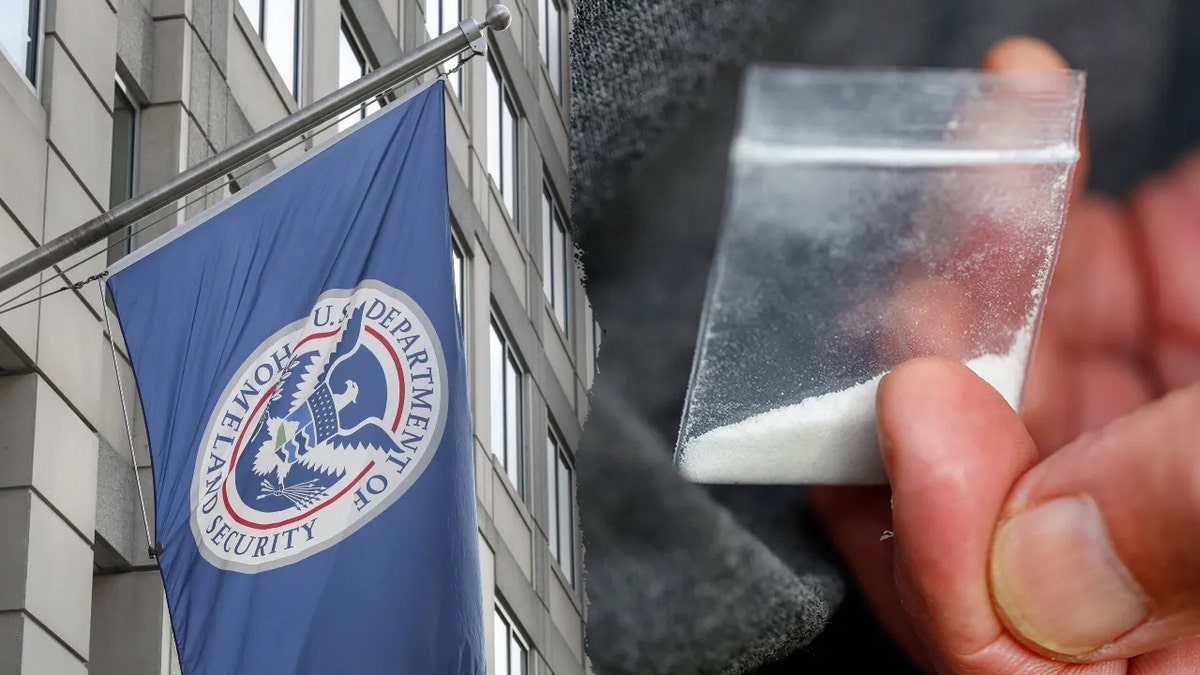
There’s been an increase in domestic partners using chemical and biological toxins to harm or kill significant others in recent years, according to DHS officials. (NYC Special Narcotics Prosecutor’s Office and Celal Gunes/Anadolu Agency via Getty Images)
The bulletin also says these are often chosen for their accessibility and their ability to mimic natural illness, complicating detection and investigation.
The report also warns that the intentional or accidental use of chemical or biological toxins in homes or public spaces can pose risks beyond the intended target.
Poisons and toxic agents may contaminate air, surfaces or water, exposing children, neighbors, bystanders and first responders to secondary harm.
Emergency personnel may unknowingly enter contaminated environments without proper protective equipment, increasing the risk of secondary exposure and hindering response and investigation efforts.
“If the trend of using chemical or biological toxins to kill or harm continues, we may see an increase in fatalities and long-term health consequences for survivors,” the bulletin states, adding that demand for specialized training, equipment and forensic expertise is likely to grow.
DHS has called for increased coordination, awareness and improved detection and response capabilities to address this evolving form of domestic partner violence.