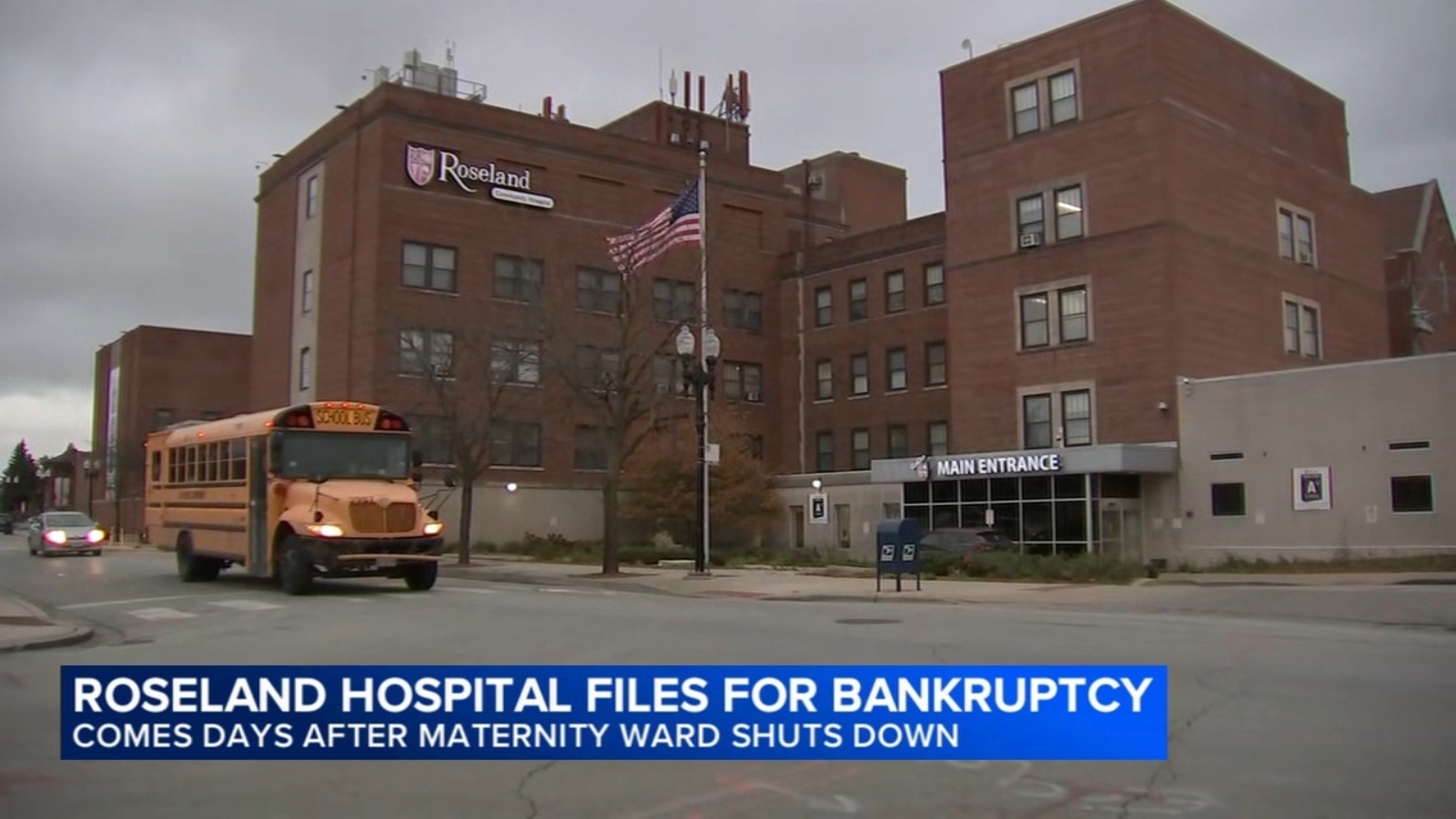

CHICAGO — Roseland Community Hospital has filed for bankruptcy, but hospital officials say patient care and daily operations will continue without interruption.
The filing comes as access to healthcare remains a growing concern in underserved communities, following the closure of several other safety-net hospitals in recent years.
“Roseland Community Hospital is taking decisive action to protect the hospital from federal government policies that threaten its future,” RCH spokesperson Nikia McGee said. “This filing is intended to address debt that threatens our operations. It will not disrupt patient care and will allow us to continue serving the Greater Roseland community.”
Lauren Wright, executive director of the Health and Medicine Policy Research Group, said Roseland’s financial difficulties reflect broader pressures undermining healthcare access.
“What we’re seeing is an increasingly fragmented healthcare landscape, particularly in communities that have historically experienced disinvestment, and this latest issue with Roseland Hospital is an example of that,” Wright said.
In its bankruptcy announcement, the hospital pointed to several contributing factors, including “a recent medical malpractice settlement, several threatened lawsuits involving service agreements, decades of underfunding for safety-net hospitals, and potential Medicaid cuts.”
DON’T MISS: Karina Vetrano’s Father Sends Message to Dad of Stabbed NYC Jogger
The filing follows the closure of other safety-net hospitals in recent years. These hospitals are legally required to provide care regardless of a patient’s ability to pay.
Roseland Community Hospital, located on Chicago’s South Side, also recently shut down its labor and delivery department, joining a growing number of healthcare facilities that have eliminated maternity services.
Kathy Waligora, deputy director of external affairs at EverThrive Illinois, said the financial strain facing hospitals is closely linked to public policy decisions.
“This is a trend we are going to see as the result of a policy choice. This is not happening by accident. It is happening because we have devastated access to healthcare and funding for the Medicaid program,” Waligora said.
Wright said policymakers should treat hospital financial crises as part of a broader systemic pattern, not as isolated incidents.
Healthcare access advocates warn that conditions could worsen, with consequences reaching communities across the country, unless Congress restores Medicaid funding.


