
Share this @internewscast.com

In a decisive move, six U.S. Supreme Court justices have countered Donald Trump’s tariff policies, prioritizing the Constitution over presidential overreach. This landmark decision determined that Trump’s attempt to impose duties unilaterally was unlawful. Chief Justice John Roberts, joined by justices Neil Gorsuch and Amy Coney Barrett—both Trump appointees—aligned with four other colleagues to uphold the rule of law, much to the former president’s dismay as he expressed his anger.
Trump, however, lauded the dissenting voices of Brett Kavanaugh, Clarence Thomas, and Sam Alito, who appear willing to continue endorsing his expansive view of presidential power.
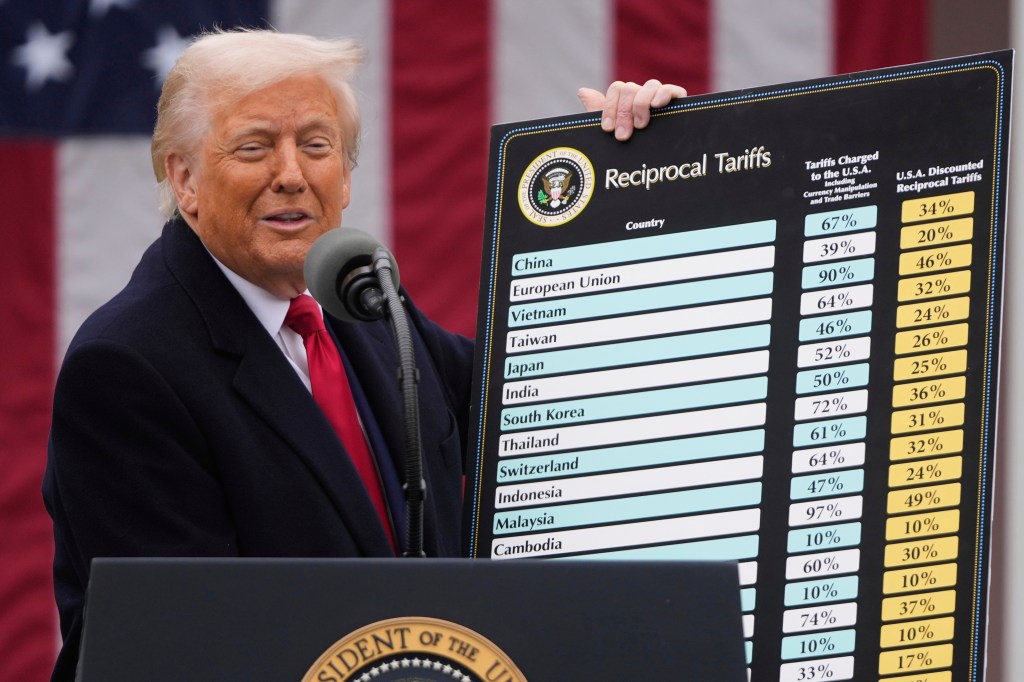
Despite the definitive court verdict against the tariffs that Trump had been indiscriminately applying since his self-proclaimed “Liberation Day” on April 2, he is attempting a new strategy. This involves another legal avenue to impose 15% tariffs, which will lapse after 150 days unless Congress approves them. Initially, he had set 10% tariffs, only to raise them to 15%. Who knows, he could potentially escalate them to 30% soon.
The court was unequivocal, stating that tariffs, akin to taxes, require Congressional approval. Unfortunately, the Republican-led Congress has shown little resistance throughout Trump’s second term. Whether this ruling will embolden them remains uncertain, and there is skepticism about the administration learning from this judicial rebuke.
Trump’s response was predictably acerbic, branding the justices who ruled against him, including the three conservatives, as a “disgrace to our nation.” He attributed the decision to external influences and a supposed “radical left” agenda, overlooking the constitutional limitations at play.
Given the Supreme Court’s historical tendency to defer to Trump on various issues, often upholding policies overturned by lower courts, this ruling underscores the blatant illegality of the tariffs. It required something exceedingly obvious to prompt such a comprehensive rejection, which these tariffs evidently represented.
This is, as many have been, a somewhat Pyrrhic victory for the rule of law, as these tariffs should have never gone into effect in the first place, going back almost a year in which the global economy has both been damaged and reoriented away from the United States, diplomatic ties have been strained and businesses internationally and domestically have dealt with the chaos by slowing hiring and delaying investments (those that haven’t already gone under, anyway).
It’s unclear what will be done to remedy some of the damage — including the big question of whether there will be refunds for Trump’s illegal tariff collections, an idea that the president has already waved away — but some of it is irreparable, regardless of the illegality of the policy that wrought it.
The new 15% universal tariffs will only cause more damage, further harming American businesses and isolating us globally. Trump doesn’t care about any of that, so convinced of his own path and his love of the ability to fire off tariffs on a whim. But that’s how our government is supposed to function, which the Supreme Court ratified in their decision.
Having said no to Trump on tariffs, the justices must continue to resist his other predations against the rule of law and the Constitution.