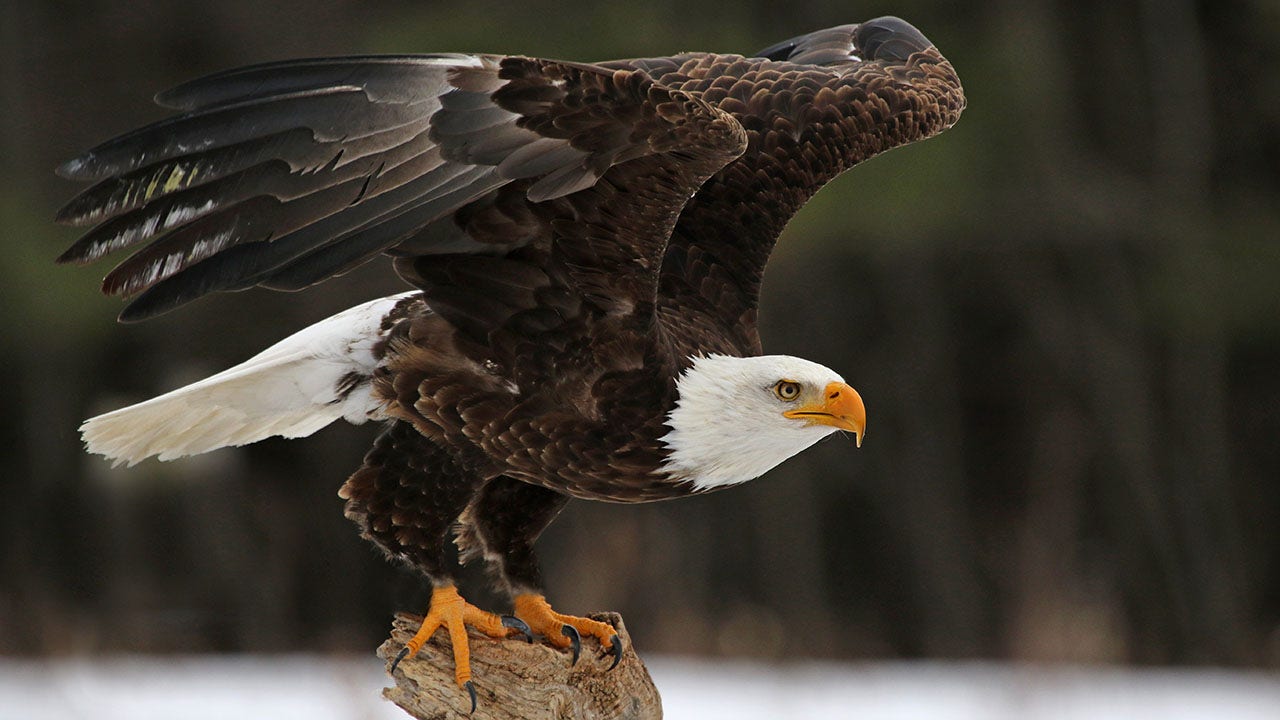

In an unsettling turn of events, five bald eagles have been found dead over a two-week period in Michigan’s Upper Peninsula, prompting a wildlife investigation. Authorities have ruled out natural causes, raising suspicions of illegal activities.
The eagles were discovered between April 3 and April 17 in Delta County, specifically in areas near Big Bay de Noc and Lake Michigan, according to a statement from the Michigan Department of Natural Resources (DNR).
Officials have determined that the birds were not victims of natural events, predators, or vehicle collisions. This has led investigators to suspect foul play in the deaths of these majestic birds.
“We are seeking assistance from the public to move forward with this investigation,” said 1st Lt. Mark Zitnik, supervisor with the DNR’s Law Enforcement division. “It is clear that these eagles did not succumb to natural causes, predators, or traffic incidents.”
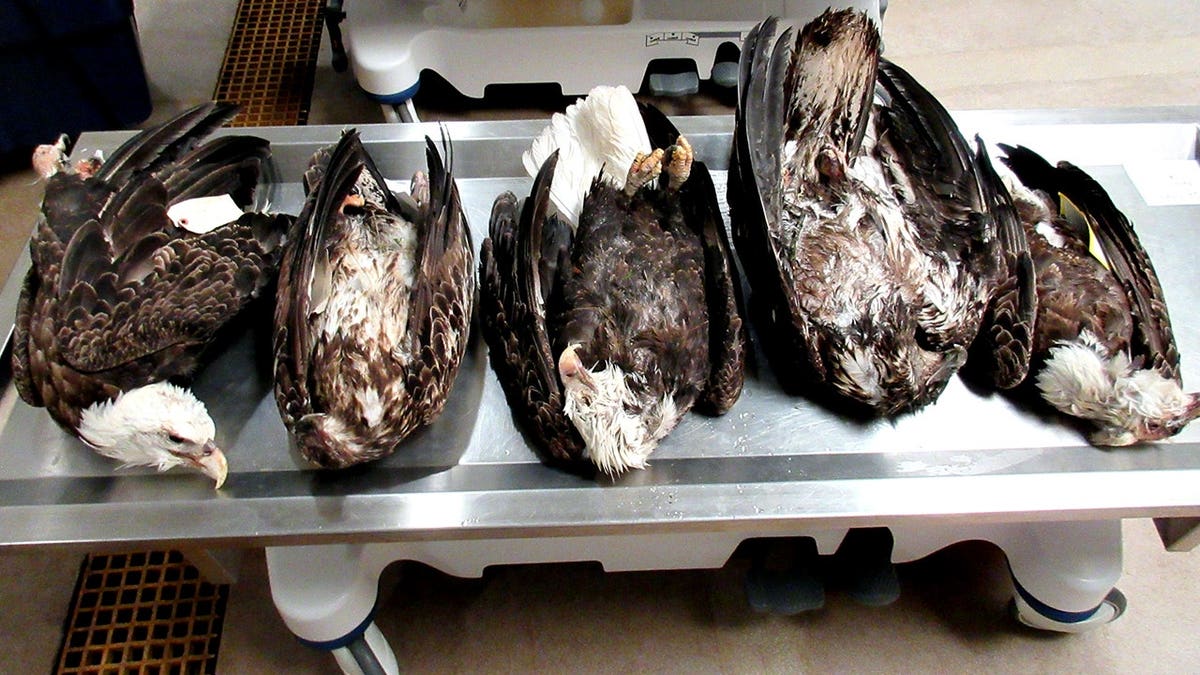
The DNR is appealing to anyone with knowledge about the deaths of these eagles, found between April 3 and 17 in Delta County’s Garden Peninsula, to come forward with information.
Bald eagles are protected by both state and federal laws, and any act of hunting or harming them is prohibited.
Violators can face criminal charges, including a misdemeanor punishable by up to 90 days in jail, fines ranging from $100 to $1,000 per eagle and restitution of $1,500 per bird.
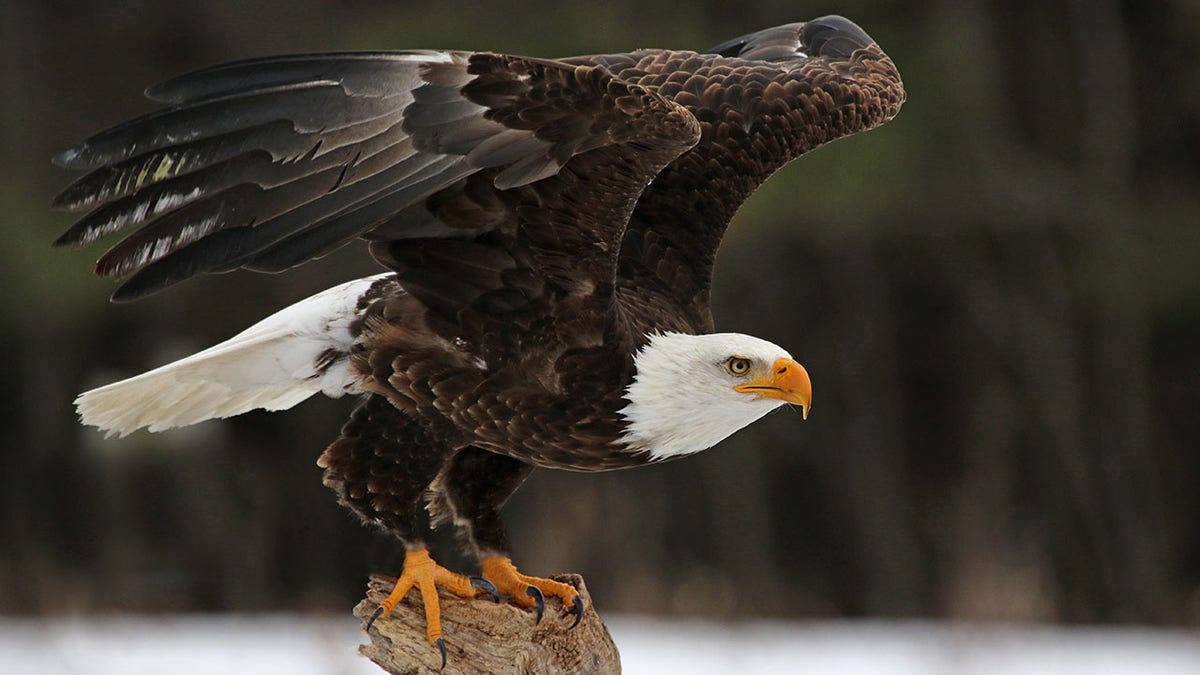
Bald eagles are a protected species under federal law. Those found in violation can face fines or even jail time. (iStock)
The DNR is urging anyone with information to contact the Report All Poaching hotline at 800-292-7800. Tipsters can remain anonymous and may be eligible for a cash reward if their information leads to an arrest and prosecution.
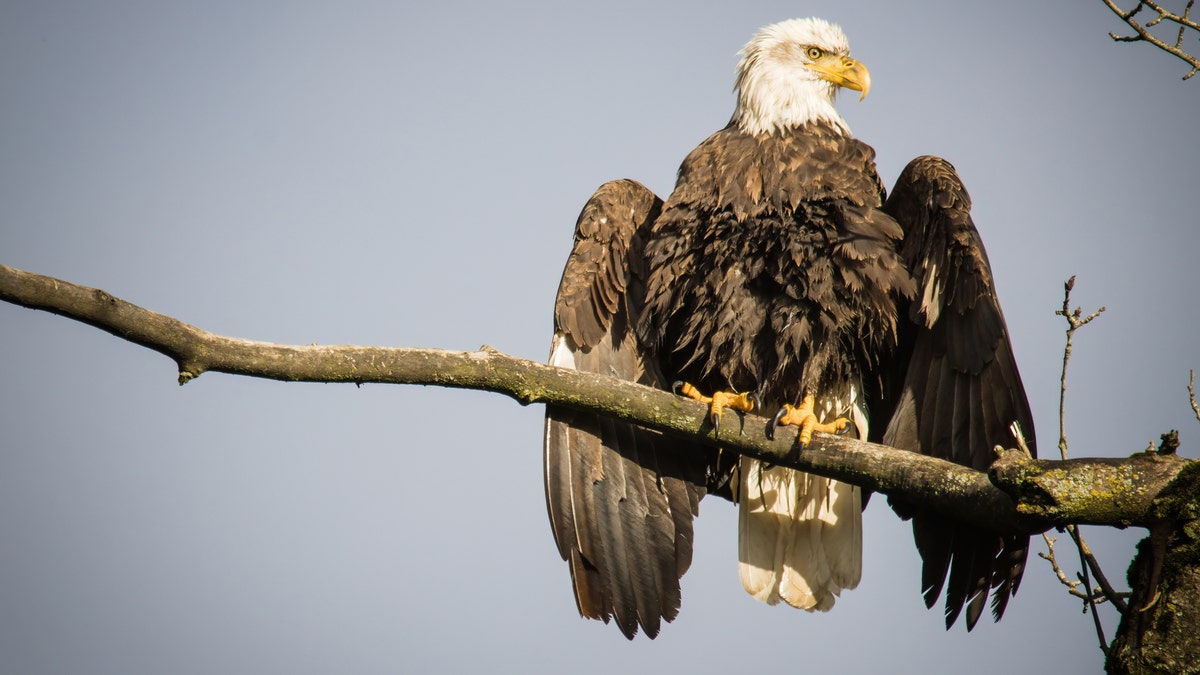
A bald eagle, a bird of prey native to North America, perched on a branch. (iStock)
Bald eagles have made a strong recovery in Michigan, growing from the edge of extinction with just 52 breeding pairs in the 1960s to about 900 pairs by 2023, Bridge Michigan reported. The birds are now found across the state, particularly near large lakes and rivers.
<!–>
–>