
Feeling the heat lately? It’s not just about being hot and sweaty; you might have noticed your feet or fingers swelling unexpectedly.
Whenever the UK experiences a heatwave or as people return from summer holidays, a noticeable trend emerges among my patients.
They arrive concerned, describing symptoms like swollen ankles, rings that seem stuck on their fingers, or feet that appear to grow as the day progresses. Many worry something serious is wrong, but often, it’s not as alarming as it seems.
However, distinguishing between harmless and concerning symptoms is crucial.
You can experience this swelling anywhere when the temperature spikes, not just overseas. The UK’s heatwaves are sufficient to cause it, particularly given the scarcity of air conditioning.
As temperatures climb, your body employs a smart method to cool itself. Blood vessels expand, increasing blood flow to the skin’s surface to dissipate heat.
The problem is that this expansion makes blood vessel walls more permeable, and fluid can leak out into the surrounding tissues. That fluid then tends to pool wherever gravity pulls it – which, for most of us walking around upright, means our feet, ankles and lower legs. We call this heat oedema.
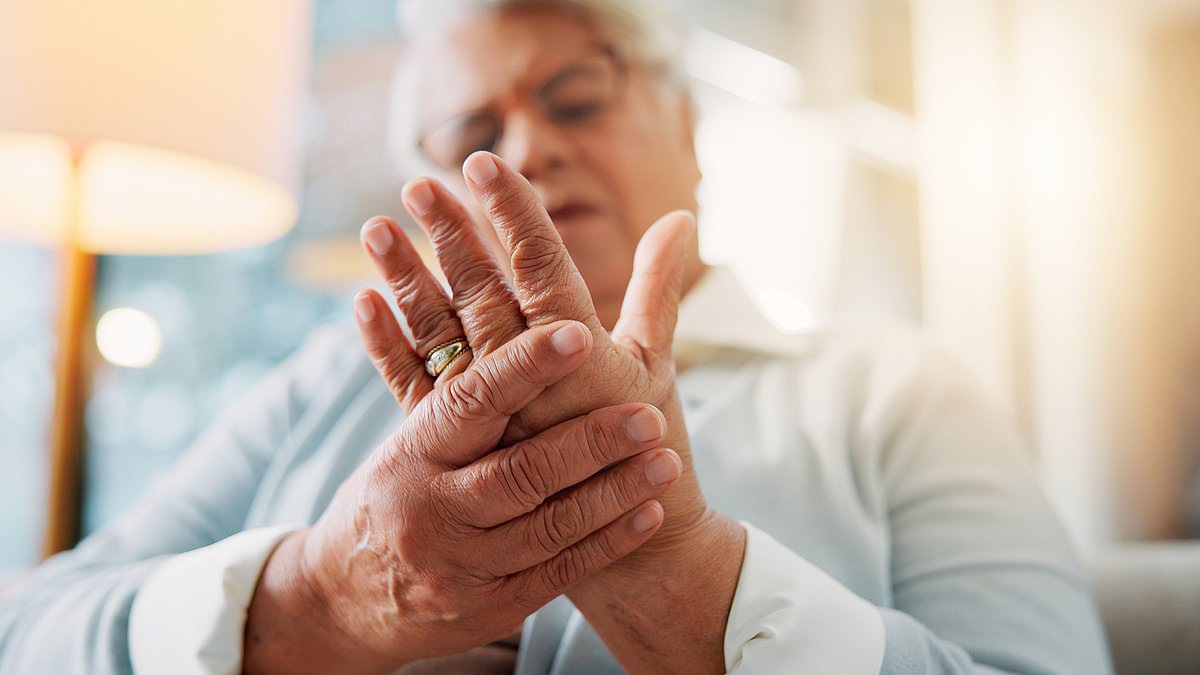
Your hands can be affected too, particularly if you’re out for a long walk or run in the heat, and the hands are hanging down below the level of the heart for an extended period – that’s because blood returning from the hands and feet to the heart has to travel upward against gravity.
The veins in the limbs rely on tiny valves and muscle movement to push it up. Anything held below heart level, particularly in the heat when vessels are already dilated and sluggish, allows fluid to pool more easily in the tissues.
Heat can lead to swelling… but it’s important to know when it’s a serious issue and when it isn’t
Older adults tend to struggle more with heat oedema because circulation becomes less efficient as we age
If you’ve ever come back from a summer run and noticed your fingers looking distinctly sausage-like, that’s exactly what’s happening.
The face – particularly around the eyes – can puff up in the heat, as can the fingers and lips. (So too, can the ear lobes, though this is because tiny blood vessels in the outer ear widen, sending more blood to the skin and making the lobes look red, hot and puffy.)
And it can happen at any age. But older adults tend to struggle more with heat oedema because circulation becomes less efficient as we age. The tiny valves in the veins of the legs, which work against gravity to push blood back up towards the heart, don’t always function as well over time, meaning fluid is more likely to pool.
And women are more prone to this kind of fluid retention than men. The hormone progesterone promotes water retention, which is why many women notice swollen ankles in the two weeks before their period. During a heatwave this hormone, combined with the blood vessels widening due to heat, make swelling worse. Menopausal women can also be more vulnerable, as falling oestrogen levels disrupt the body’s fluid regulation.
And being less mobile puts you at risk. Movement is actually one of the key ways your body pumps blood back from the lower limbs, so if you’re sitting for long periods, on a plane, at a desk, in a wheelchair, without moving, swelling is more likely.
This is something I always mention to patients. The combination of a long-haul flight and a heatwave destination is a particular double hit, and exactly why your feet look so enormous when you arrive at a warm destination.
But you don’t need to board a plane to experience it. During a UK heatwave like the one we’re seeing right now, exactly the same thing can happen – and in some ways it can catch people off guard precisely because they’re at home and not expecting it. Without air conditioning to retreat to, there’s nowhere to escape the heat, and the swelling can creep up on you just as much as it would on a beach in Lanzarote.
It can develop within a matter of hours, particularly if you’ve been on your feet or sitting still. It begins to ease fairly quickly once you cool down, elevate your legs or lie flat (as gravity is no longer pulling fluid into your lower limbs) – often improving within a few hours. Most cases resolve fully overnight in a cooler environment.
Movement is actually one of the key ways your body pumps blood back from the lower limbs, so if you’re sitting for long periods without moving, swelling is more likely
Sun-seekers in Weymouth this week might have noticed their feet and fingers becoming puffy and swollen as a result of the heatwave
Pregnant women are especially prone to swelling in the heat. Pregnancy already places extra demands on the circulatory system – blood volume increases by up to 50 per cent to supply the placenta and growing baby.
The heart is working significantly harder, and the expanding uterus puts direct pressure on the large veins that carry blood from the lower body back up to the heart. This makes fluid pooling in the legs much more likely even without heat – add a heatwave and the effect is amplified considerably.
And the growing uterus puts pressure on the veins returning blood from the lower body. Heat amplifies all of this.

Dr Stephanie de Giorgio says every time there’s a hot spell in the UK – or when people start jetting back from summer holidays – she starts to see a familiar pattern in her patients
While swollen feet, ankles and lower legs are most common, swelling in the hands and face – particularly a puffy face or fingers that suddenly won’t bend – is more concerning in pregnancy and should always be assessed, as it can be a sign of pre-eclampsia (high blood pressure).
People who carry excess weight are also more likely to experience heat swelling because excess weight means the veins in the legs have to work harder to return blood to the heart – the extra tissue puts more pressure on the vessels.
Here is the reassuring news: for the vast majority of people, heat oedema is harmless. It’s uncomfortable, yes. It can make your shoes feel tight and your rings uncomfortable. But it is not dangerous in itself.
If the swelling goes down overnight or when you lie flat that is a very good sign.
However, swelling in the legs and feet can sometimes be the body’s way of signalling something more serious. Heart failure is one of the conditions I’d want to rule out, because when the heart isn’t pumping efficiently, fluid can back up and accumulate in the legs.
Kidney problems can cause the body to retain excess fluid too (as they can no longer filter excess sodium and water out of the blood effectively so fluid builds up and leaks into surrounding tissues). It tends to appear in the legs, ankles and feet (due to gravity) and also around the eyes – a puffy face first thing in the morning can be a kidney sign. Unlike heat oedema, kidney-related swelling doesn’t resolve overnight and tends to be persistent.
So here are the signs I’d urge you to take seriously. Seek medical attention if the swelling doesn’t resolve or keeps worsening; if you feel short of breath, particularly on exertion or when lying flat; if you notice you are producing much less urine than usual; or if the swelling is in only one leg rather than both.
One-sided leg swelling – particularly if it’s red, warm to the touch or painful – could indicate a deep vein thrombosis, or blood clot, and needs to be assessed urgently.
But for heat oedema the most effective immediate remedy is to elevate your feet. Lie down and prop your legs up above the level of your heart and let gravity work in reverse.
But for heat the most effective immediate remedy is to elevate your feet. Lie down and prop your legs up above the level of your heart and let gravity work in reverse. Staying well hydrated matters too – it sounds counterintuitive when you’re already feeling puffy, but dehydration actually causes the body to retain more fluid as a protective response (releasing a hormone called vasopressin – also known as antidiuretic hormone – which instructs the kidneys to stop excreting water and reabsorb it instead). The body essentially goes into survival mode, hoarding whatever fluid it has.
If you struggle repeatedly with heat swelling, compression socks or tights can help significantly by helping the veins push blood back upwards. I know it feels entirely wrong to put on tight clothing when you’re hot, but for those prone to oedema, it really does make a difference.
And if you’re looking after elderly relatives during a heatwave, make sure they’re drinking enough, that they’re not overdressed out of habit, and that they’re moving around when they can.
For younger people those doing outdoor exercise or sport in the heat are most at risk. The advice is the same: keep moving rather than standing still, stay well hydrated, and if you’re running, try to periodically raise your hands above heart level – some runners shake their hands out for exactly this reason.
Those simple steps can make a real difference.
- Dr Stephanie de Giorgio is a GP in East Kent.
AS TOLD TO WILL STODDART