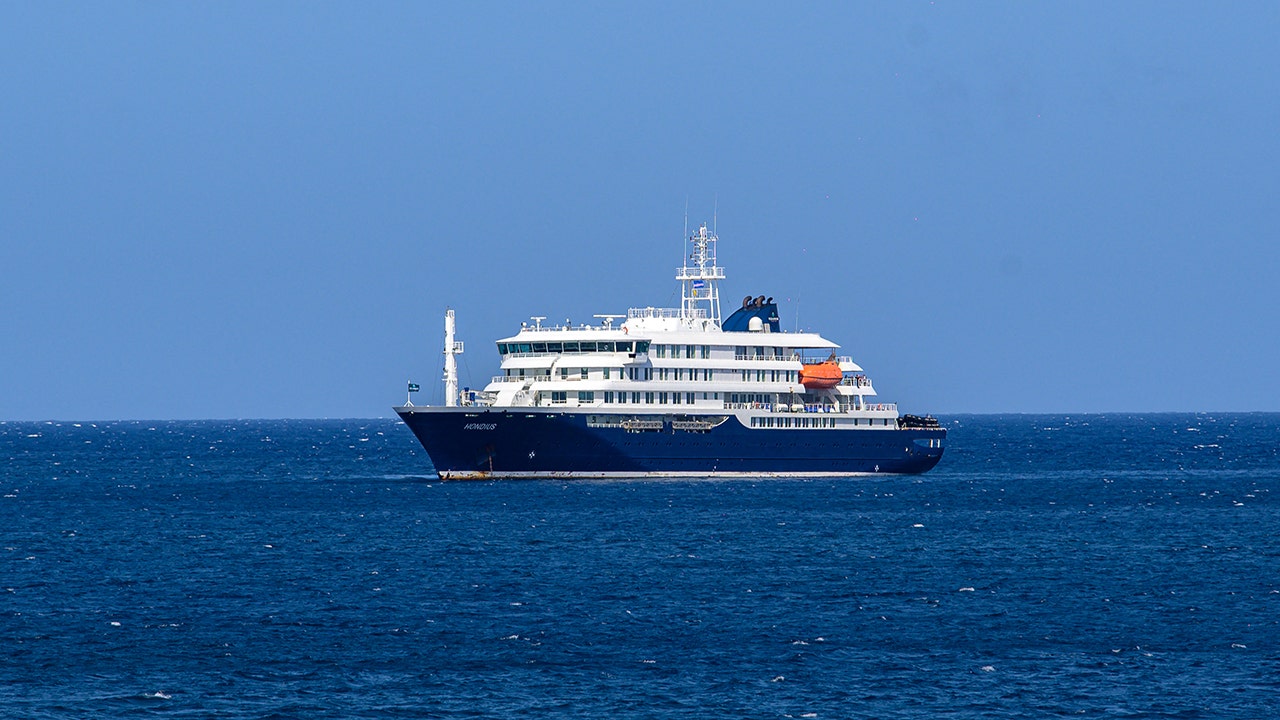

A cruise ship navigating the Atlantic Ocean is currently at the center of a suspected hantavirus outbreak, resulting in three fatalities and several illnesses. The World Health Organization (WHO) has communicated these developments through a statement on X, emphasizing the urgency of the situation.
Among the reported cases, one has been laboratory-confirmed as a hantavirus infection, while five others are under investigation pending confirmation. The outbreak has tragically claimed the lives of three individuals, and one more is receiving intensive care in South Africa.
The WHO is actively working with various governments and the cruise ship’s operator to facilitate the medical evacuation of two passengers exhibiting symptoms. Simultaneously, the organization continues to evaluate the potential public health risks posed to those remaining on board.
In their statement, the WHO elaborated on the ongoing response efforts: “Detailed investigations are ongoing, including further laboratory testing, and epidemiological investigations. Medical care and support are being provided to passengers and crew. Sequencing of the virus is also ongoing.”
The cruise ship in question, the MV Hondius, is currently anchored off the port of Praia in Cape Verde as of May 3, 2026. The outbreak has led to severe acute respiratory illnesses among those on board, with one patient having tested positive for hantavirus in Johannesburg, South Africa, according to local health officials.
This troubling situation is unfolding on the m/v Hondius, a Dutch-flagged vessel, as it travels along the West African coast, underscoring the challenges of managing health crises in such isolated settings.
Oceanwide Expeditions, which operates the vessel, confirmed that three passengers died during the voyage and that one passenger is being treated in intensive care in Johannesburg.
Two crew members on board also require urgent medical care, the company said.
The cruise ship MV Hondius is stationary off the port of Praia, Cape Verde, on May 3, 2026, amid an outbreak of severe acute respiratory illness that has caused two deaths and left a third patient in intensive care in Johannesburg, South Africa. The patient tested positive for hantavirus, according to South African health officials. (AFP via Getty Images)
As of late Sunday, authorities in Cape Verde had not authorized the disembarkation of passengers requiring medical treatment or broader medical screening, according to the company.
Local health officials have boarded the vessel to assess the situation but have not yet approved the transfer of symptomatic individuals to facilities on land.
“The priority of Oceanwide Expeditions is to ensure that the two symptomatic individuals on board receive adequate and expedited medical care,” the company said.
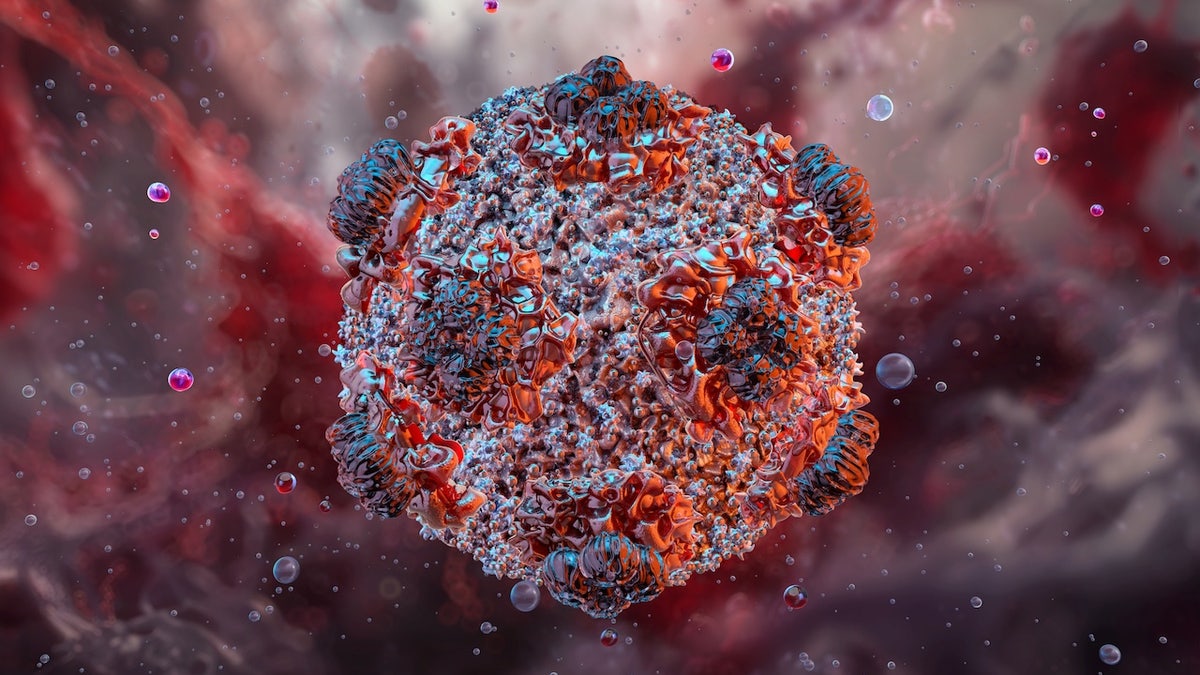
A 3D illustration shows the structure of hantavirus, an RNA virus transmitted to humans through rodent excreta that can cause severe illnesses including hemorrhagic fever, renal disease, and hantavirus pulmonary syndrome. (iStock)
Dutch authorities are working to coordinate the repatriation of those affected from Cape Verde to the Netherlands, though the effort depends on approval from local officials, Oceanwide Expeditions said.
Hantavirus infections are typically linked to exposure to infected rodents’ urine or feces and can lead to severe respiratory illness.
“While rare, hantavirus may spread between people, and can lead to severe respiratory illness and requires careful patient monitoring, support and response,” WHO said.
There is no specific cure for the virus, though early treatment can improve survival.
WHO said it has notified global health authorities under international regulations and is continuing to support the response.
“We are currently establishing the full facts and working on appropriate medical care, screening, and next steps,” Oceanwide Expeditions said.