
NEW YORK — The separated husband of a well-known art dealer in New York City was found guilty on Friday for orchestrating a murder-for-hire plot targeting his spouse in Brazil.
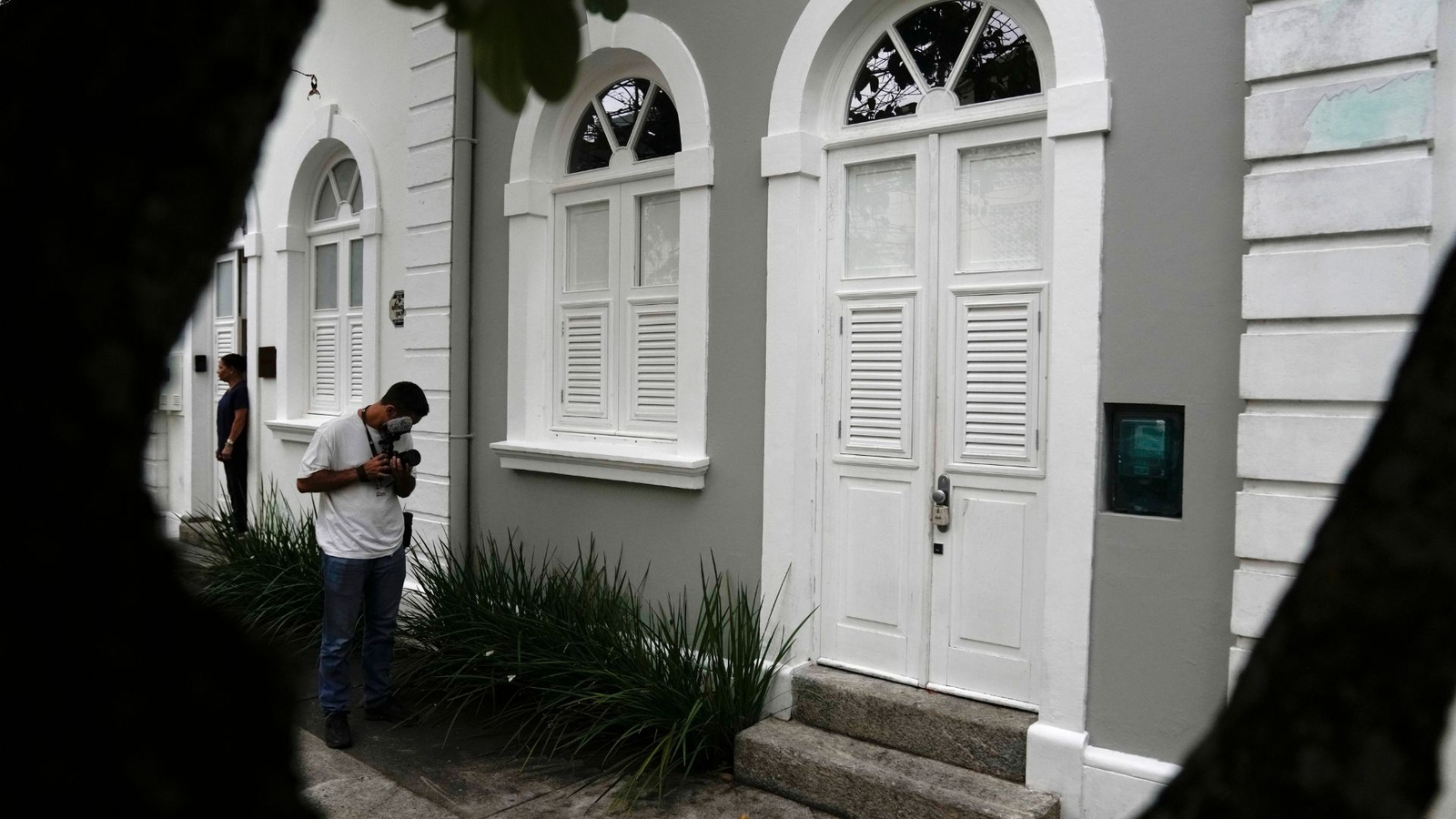
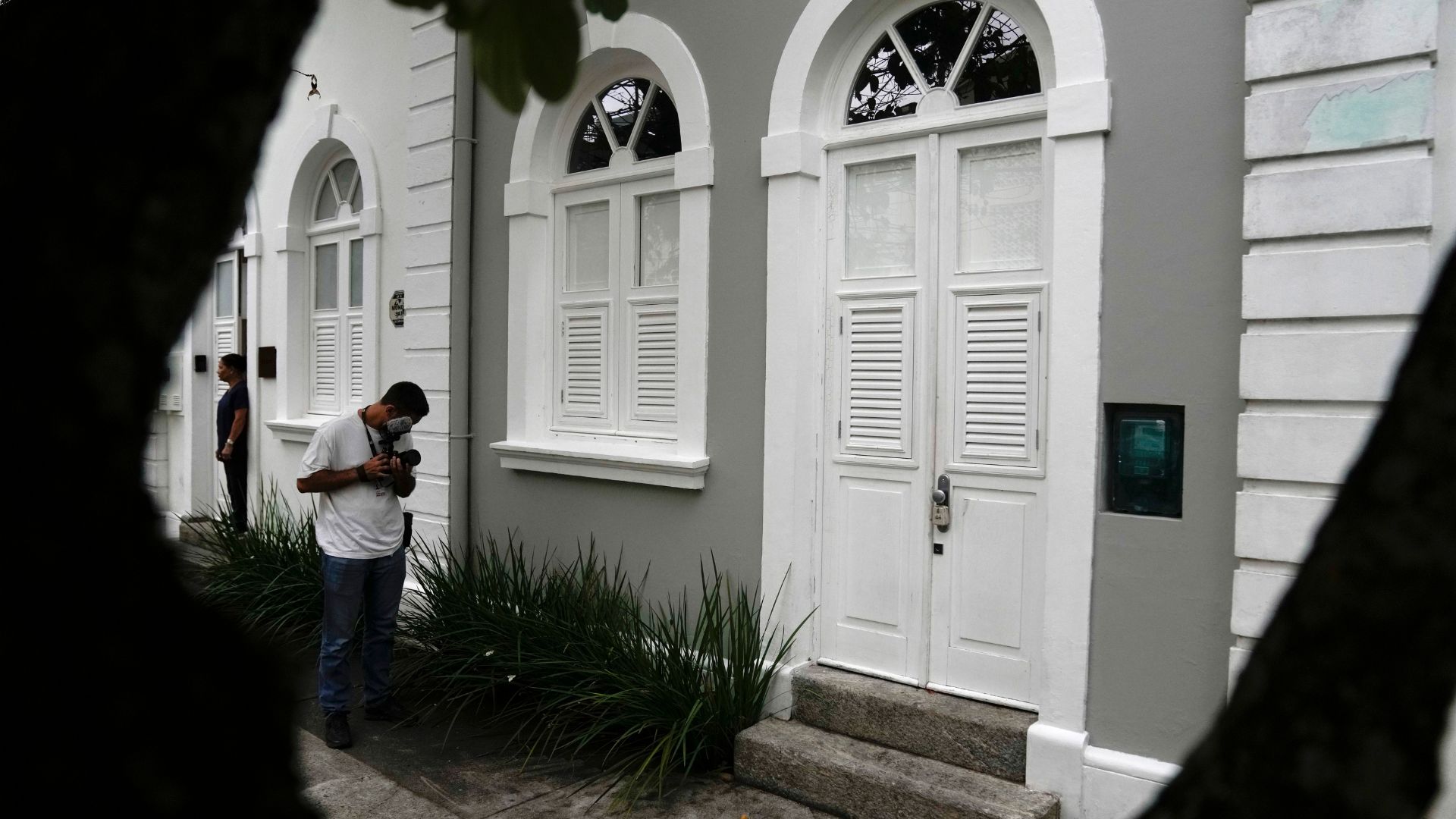
Daniel Sikkema, aged 55, now faces a compulsory life sentence following his conviction. His husband, Brent Sikkema, 75, was tragically discovered stabbed to death in his Rio de Janeiro home in January 2024.
Residing in New York and holding both U.S. and Cuban citizenship, Daniel Sikkema was apprehended in April 2024. He was found guilty in a Manhattan federal court on charges including conspiracy to commit murder-for-hire resulting in death.
The alleged assassin has been detained in Brazil, where he remains in custody.
“During a heated divorce process, Daniel Sikkema used a disposable phone to ruthlessly arrange his husband’s murder,” noted Manhattan U.S. Attorney Jay Clayton.
Clayton condemned the act as a “senseless, cold-blooded murder” and expressed that the verdict delivers a “meaningful measure of justice.”
Daniel Sikkema’s lawyer, Florian Miedel, said they were disappointed in the verdict and plan to appeal.
“Daniel is staying strong and hopes to be vindicated in the end,” Miedel said.
Brent Sikkema had amassed a multimillion-dollar estate and owned a Manhattan contemporary art gallery that became Sikkema Malloy Jenkins, which says on its website that it has represented international artists like Kara Walker, Vik Muniz and Arturo Herrera for nearly 30 years.
Daniel Sikkema was in frequent contact with the alleged hitman before and after the killing, prosecutors said.
Assistant U.S. Attorney Nicholas Pavlis told the jury in an opening statement that Daniel Sikkema had funneled over $10,000 to the man and promised him more money.
At the same time, Pavlis said, Daniel Sikkema bragged to others that he was going to get more money from his spouse’s death than he would have gotten from a divorce. He and Brent Sikkema had a teenage son.
“After his husband was brutally killed, the defendant tried to cover his tracks and cash in,” Pavlis said.
Miedel told the jury in an opening statement that case was built on circumstantial evidence and that there was no evidence to prove the guilt of his client.
“Life is messy. The truth is not always obvious,” Miedel said.
Copyright © 2026 by The Associated Press. All Rights Reserved.