
Trump threatens more strikes on Iran at NATO summit
Retired Gen. Jack Keane, a senior strategic analyst for Fox News, discussed the latest U.S. strikes on Iran, the strategic weight of the Strait of Hormuz and Ukraine’s renewed appeal for additional aid during an appearance on “America’s Newsroom.”
President Donald Trump’s sharply worded criticism of Iranian negotiators on Wednesday underscored a deepening dilemma for Washington. While Trump accused Tehran’s representatives of deception as nuclear talks faltered, the broader concern now facing U.S. officials is whether Iran’s negotiators can actually commit to a deal — or whether any single center of power in Tehran can do so.
“I don’t know if we’re going to have a deal. We may just do it without a deal,” Trump said at the NATO summit in Ankara. “These people, they lie and they cheat.”
The president’s frustration, however, reflects only one layer of a more complicated crisis. Since the death of Ayatollah Ali Khamenei, questions have mounted over who holds real decision-making authority in Iran — and who could enforce any agreement reached with the United States.
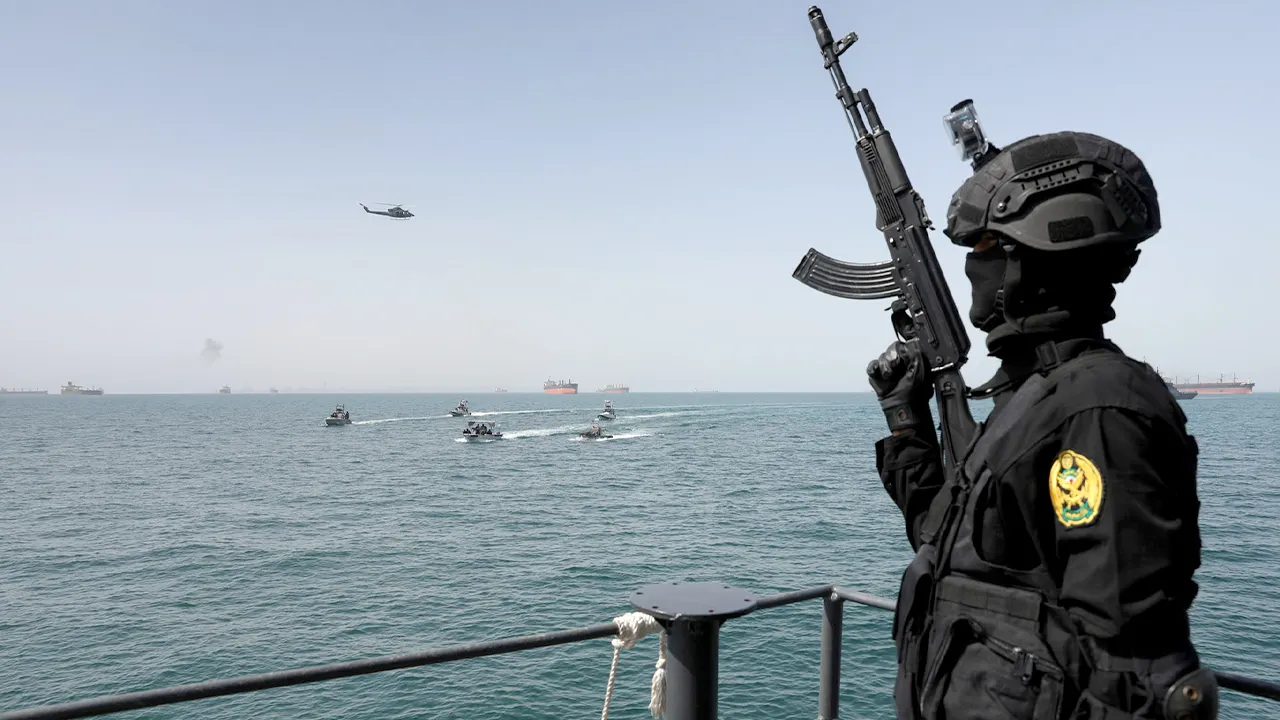
Tehran has opened a new front on social media, including an influence campaign aimed at shaping American opinion and undercutting President Donald Trump’s push for a nuclear agreement. (Hamed Malekpour / Middle East Images / AFP via Getty Images)
Mojtaba Khamenei assumed the role of supreme leader after his father was killed in the initial U.S.-Israeli strikes on Feb. 28. Yet he has not been seen publicly since the attack, and U.S. assessments cited by Reuters have described Iran’s power structure as increasingly fragmented, with influence spread among senior Revolutionary Guard commanders and key civilian officials.
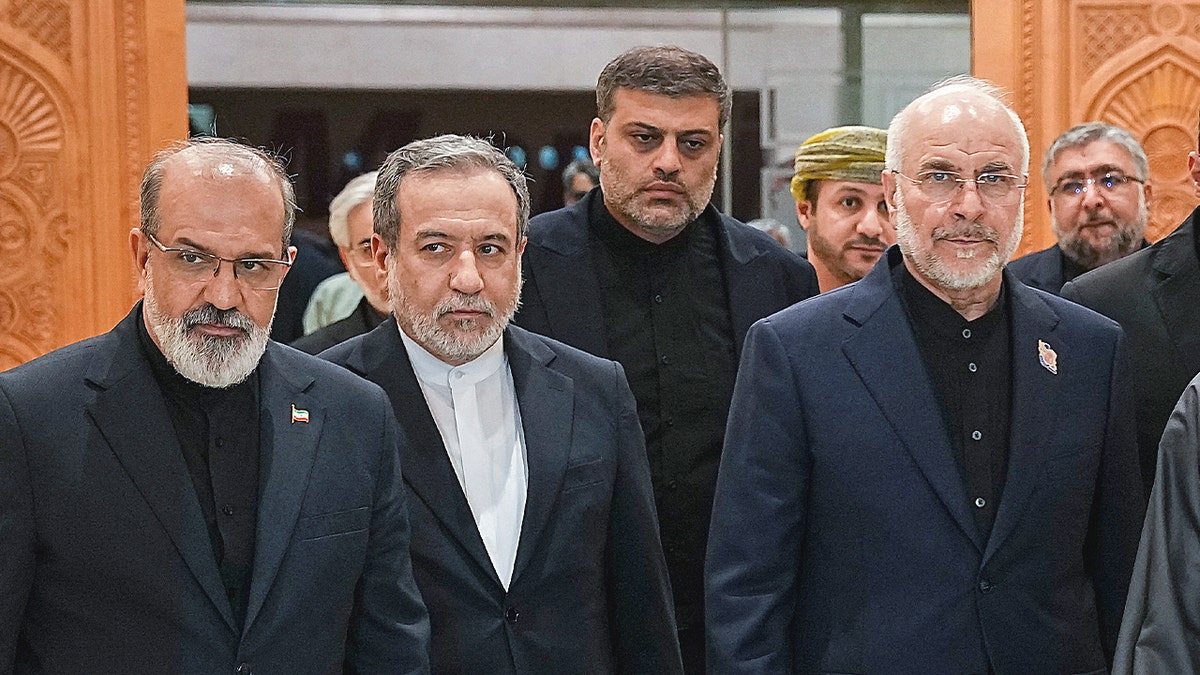
Among the most prominent surviving figures is Parliament Speaker Mohammad Bagher Ghalibaf, a former Islamic Revolutionary Guard Corps commander who headed Iran’s negotiating team and has since emerged as a major force in the country’s political hierarchy.
Banafsheh Zand, an Iranian-American journalist and editor of the “Iran So Far Away” Substack, said the death of Ayatollah Ali Khamenei has splintered power within the Islamic Republic, leaving the Islamic Revolutionary Guard Corps as the dominant institution in the country.
“The person who is negotiating with the U.S. is not necessarily someone who is endorsed by the others,” Zand told INC News.
She described Ghalibaf as one power center competing with figures including IRGC commander-in-chief Ahmad Vahidi, Quds Force commander Esmail Qaani and former Foreign Minister Mohammad Javad Zarif.
Vahidi controls the IRGC’s overall military structure, while Qaani oversees its external operations and relationships with Iran-aligned armed groups across the region. Zarif, by contrast, remains closely identified with the more accommodationist political camp that previously championed negotiations and sanctions relief.
“The hardliners, in terms of their political presence, have also been pushed aside,” Zand said. “So really, it’s the IRGC. And within the IRGC, whoever signs the deal is not necessarily signing on behalf of everybody else. They’re signing on behalf of themselves.”
Her assessment reflects a central problem facing Washington: Iran’s negotiators, political institutions and military commanders may not share the same interpretation of what was agreed — or the same willingness to implement it.
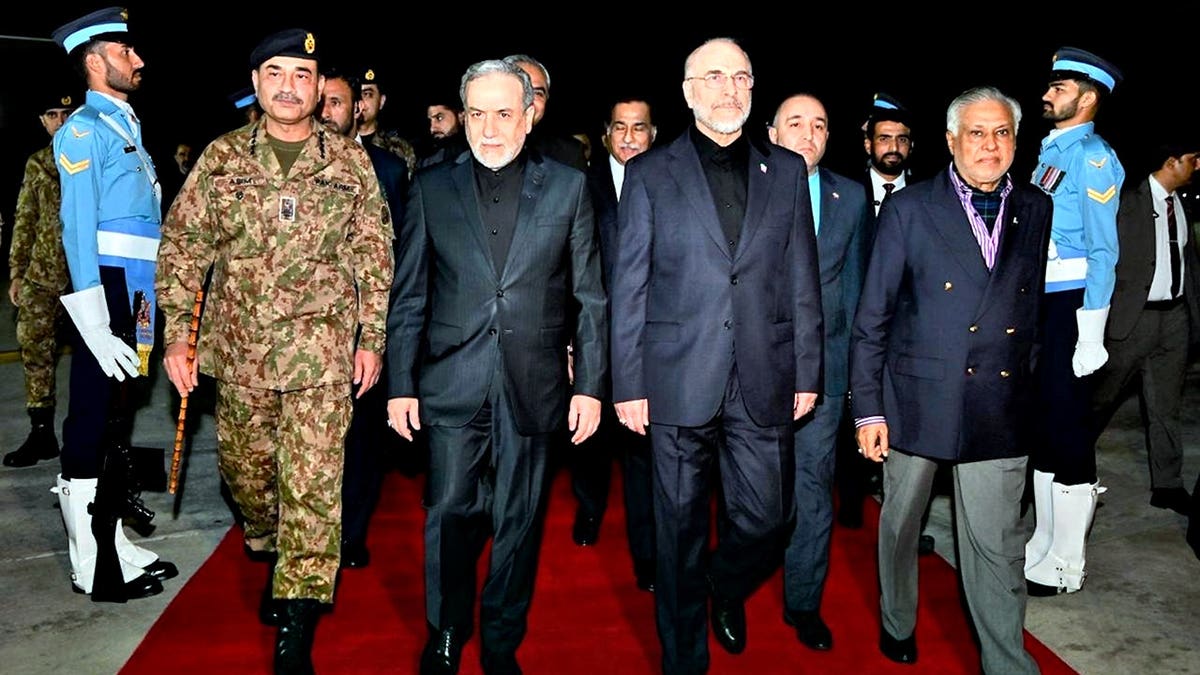
Iran’s Parliament Speaker Mohammad Bagher Qalibaf and Foreign Minister Abbas Araghchi were greeted by Pakistan Foreign Minister Ishaq Dar and Army Chief Field Marshal Gen. Asim Munir upon their arrival at Nur Khan airbase in Rawalpindi, Pakistan, on April 11, 2026. (Pakistan Ministry of Foreign Affairs/AP)
Yet Trump’s declaration does not necessarily mean diplomacy has been permanently abandoned.
Behnam Ben Taleblu, senior director of the Iran program at the Foundation for Defense of Democracies, told INC News that the clearest evidence would be the restoration of the U.S. blockade, the introduction of additional military forces or a new round of major economic sanctions.
Otherwise, he said, Trump may continue operating in the “gray zone” between negotiations and open war while keeping his options available.
The more difficult question is why Tehran would jeopardize sanctions relief and risk overwhelming American firepower when its military has already been severely degraded.
Ben Taleblu said Iran’s leaders appear to believe escalation is essential to the survival of the Islamic Republic.
“This is a regime that is weaker, but lethal, and less capable, but more confident,” he said. Iran’s leadership believes its adversaries have vulnerable economic and military interests throughout the Gulf, he added, while the regime itself is more willing to accept destruction.
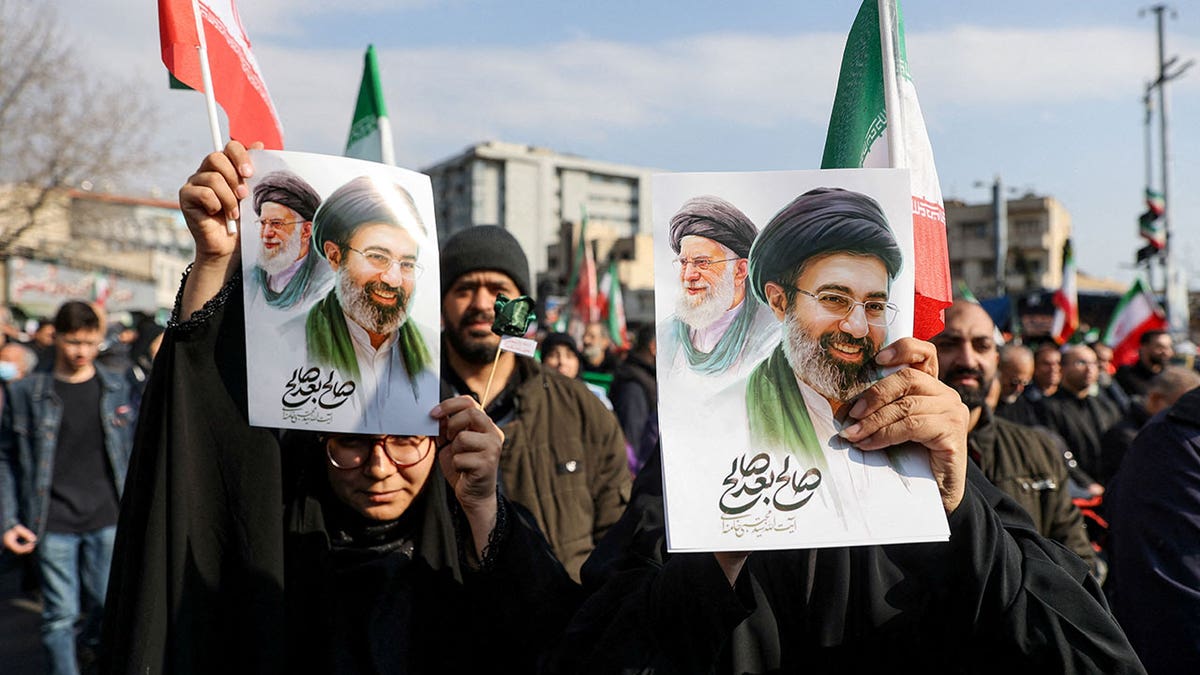
People hold placards with an image of Iran’s new supreme leader Mojtaba Khamenei with late Iranian Supreme Leader Ayatollah Ali Khamenei, during a gathering to support Mojtaba Khamenei, amid the U.S.-Israeli conflict with Iran, in Tehran, Iran, March 9, 2026. (Majid Asgaripour/WANA (West Asia News Agency) Via Reuters)
“Their survival and their military success and their political success runs through more, not less, escalation,” he said.
Lisa Daftari, foreign policy analyst and the editor-in-chief of The Foreign Desk, agrees the escalation is deliberate, aimed at turning regional instability into leverage.
“By targeting commercial shipping and Arab states, the regime is signaling that it can hold global energy flows and America’s regional partners hostage to extract leverage, distract from its domestic crisis, and test U.S. red lines,” Daftari told INC News.
She said Tehran is betting that Washington and its Arab partners will be unwilling to sustain another war and will ultimately back down first.
“The regime’s core weapon is time,” Daftari said. “By escalating in the Persian Gulf and attacking ships and Arab states, they are creating rolling crises that raise the cost of confronting them while they consolidate power at home.”
Daftari argued that the strategy reflects the Islamic Republic’s longstanding character rather than a temporary response to pressure.
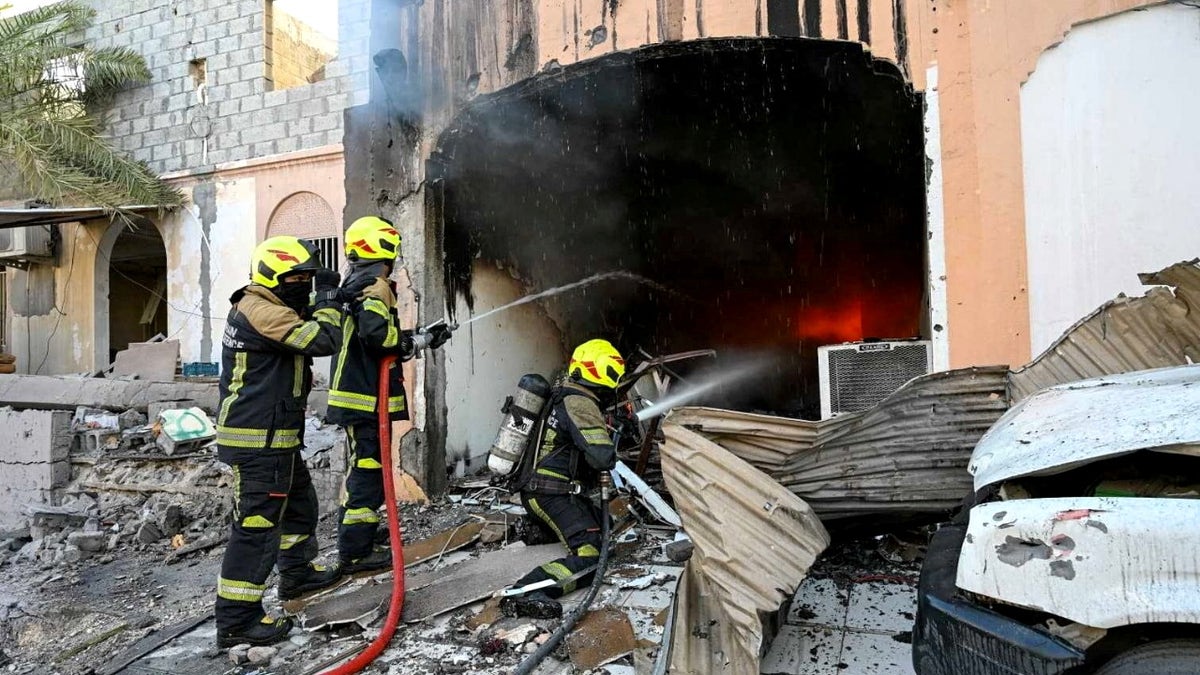
Firefighters work in the aftermath of Iranian drone attacks, at a location given as Bahrain (Reuters)
“This regime was never designed to be reformed or softened,” she said. “What they are showing us now is exactly who they intend to remain: a hardline, revolutionary regime determined to stay in power.”
But determining how that strategy is translated into action is more complicated. Authority in Tehran appears divided, raising questions about who is directing the escalation and whether the officials negotiating with Washington can commit the broader security establishment.
That division is already visible in the dispute over the Strait of Hormuz.
A Middle Eastern source familiar with the issue told INC News that Tehran and Washington are operating from fundamentally different readings of Clause five of the memorandum. The publicly released text says Iran will use its “best efforts” to arrange safe commercial passage through the strait without charge for 60 days, while removing military and technical obstacles and conducting demining operations. It does not expressly state that foreign vessels must obtain Iran’s approval or use routes designated by Tehran.
According to the source, Iran interprets that language as giving it responsibility — and therefore authority — to coordinate shipping and determine the routes vessels use during the interim period. Washington’s interpretation is that Iran agreed to lift its maritime blockade and fully reopen the international waterway.
When the two sides have different interpretations of a single page, how do they intend to write a treaty, the source said.
Iran views control over passage through the Strait of Hormuz as one of its last major sources of leverage over the United States, Gulf governments and the global economy, the source said, “That is the heart of the matter.”
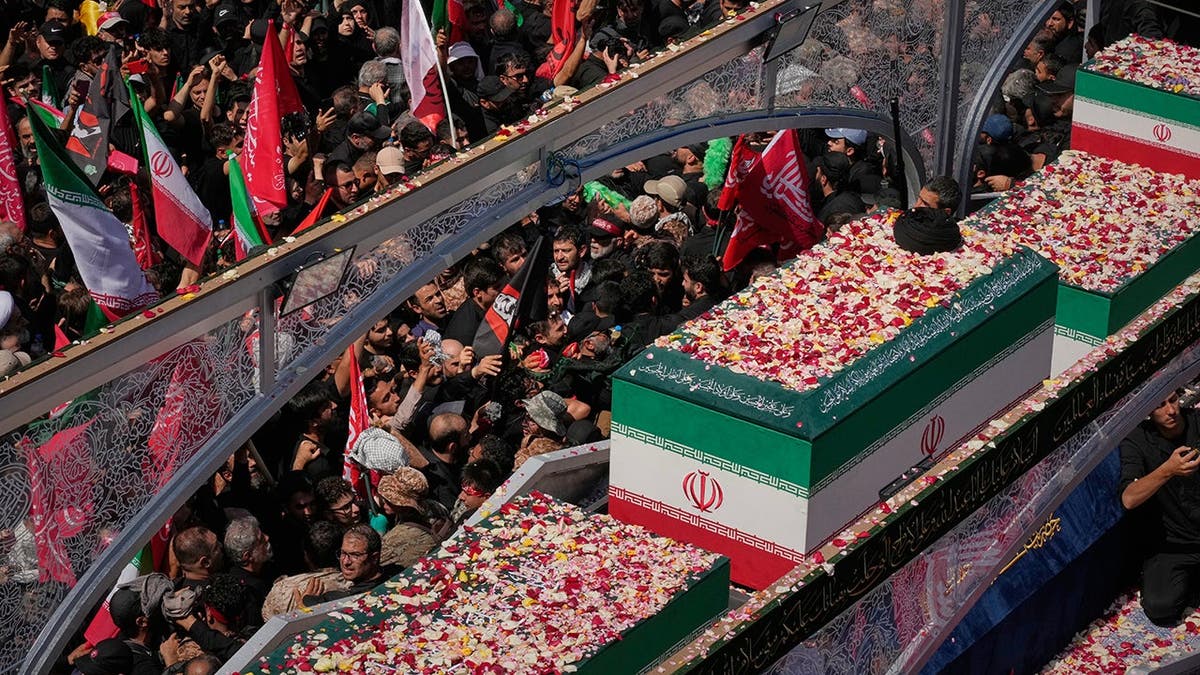
The truck carrying the coffins of the slain Iranian Supreme Leader Ayatollah Ali Khamenei and members of his family makes its way through mourners during the funeral procession toward Azadi Tower in Tehran, Iran, on Monday, July 6, 2026. (Vahid Salemi/AP)
Taken together, the experts’ assessments suggest Tehran is unlikely to face a simple choice between surrendering to Trump’s pressure and returning to negotiations. Ben Taleblu said the regime believes its survival depends on “more, not less, escalation,” while Daftari said it is deliberately “playing out the clock” by creating repeated regional crises. That raises the prospect that, even if Iranian officials return to the table, the IRGC could continue targeting commercial shipping, U.S. interests and American allies to preserve its leverage and strengthen its position inside Iran.