
As the conflict escalates, some within the Trump administration are once again weighing whether the United States should back efforts aimed at bringing down Iran’s government, according to a recent analysis.
In an analysis published Monday, Financial Times columnist Gideon Rachman says the debate reportedly extends to measures that could encourage unrest inside Iran, as well as a possible return to proposals supporting armed Iranian opposition movements, including Kurdish groups that have battled Tehran for decades.
The issue has taken on new urgency as the United States carries out renewed strikes on Iranian military targets. Inside Washington, officials are discussing whether the pressure campaign should remain limited to maritime security or expand into a broader strategy designed to weaken the Islamic Republic from within.
Any move in that direction would confront President Donald Trump with a major strategic decision: keep relying on military and economic pressure to compel concessions from Iran, or embrace the far more sweeping goal of helping Iranians oust the Islamic Republic from power.
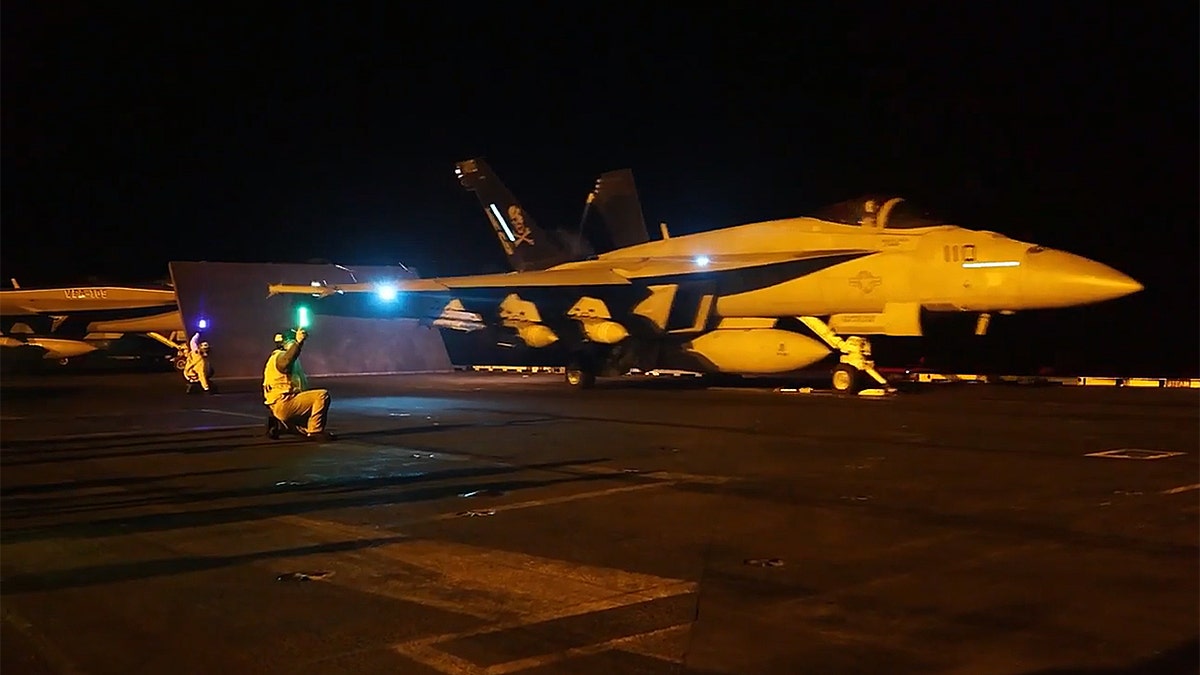
U.S. Central Command said it launched another round of airstrikes against Iran on Friday, July 17, 2026. (CENTCOM)
Trump, meanwhile, indicated Tuesday that diplomacy remains a possibility, saying Iranian officials are seeking talks through back channels.
“They want to meet desperately to try and end it because they’re getting decimated,” Trump told reporters at a Tuesday press conference.
When asked what kind of negotiations could take place, Trump replied: “They want to desperately meet. And until they’re ready to meet in a meaningful way, we have no interest…”
“Honestly, they haven’t seen anything yet. We’ve been nice,” the president added.
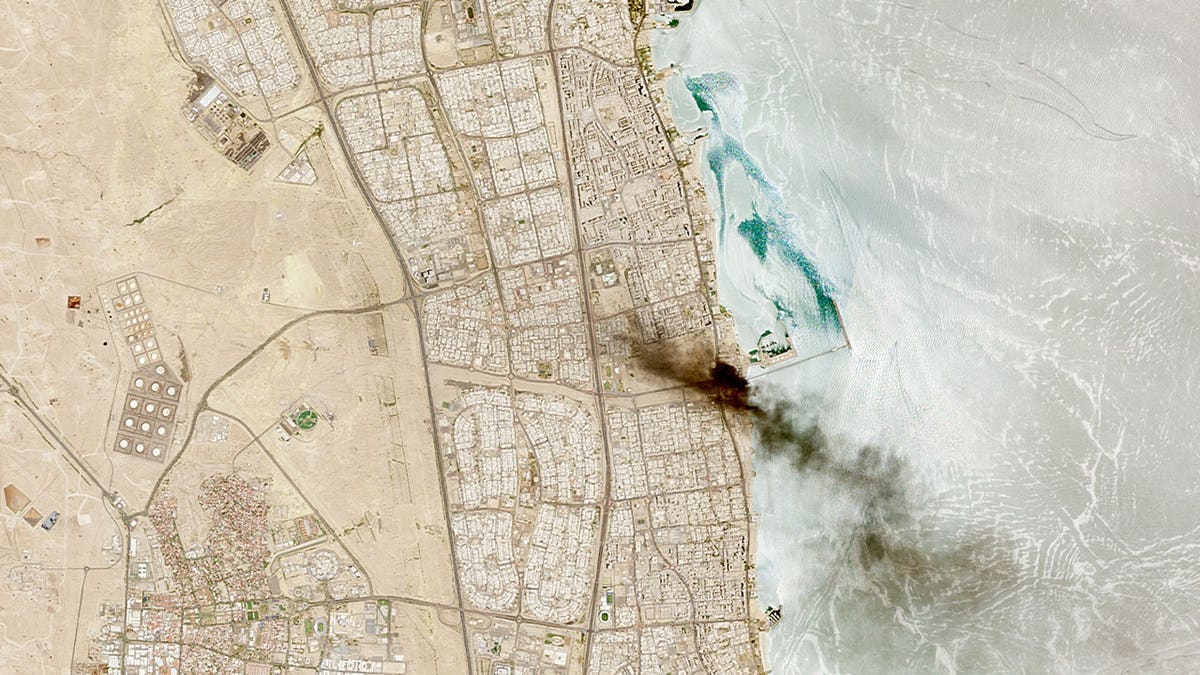
Based on the latest targets, Iran has been signaling that it is prepared to damage water, energy and transport infrastructure elsewhere in the region, a senior UN official explained. (European Union/Copernicus Sentinel-2/Handout via REUTERS)
Trump’s comments suggest that military pressure and diplomacy remain intertwined, even as questions grow over whether some administration officials favor a broader strategy aimed at weakening or ultimately replacing Iran’s leadership.
U.S. Central Command (CENTCOM), the military command responsible for American operations across the Middle East, said Monday that it struck Iranian military command centers, maritime capabilities, missile and drone launch sites and air-defense systems as part of an effort to reduce Iran’s ability to threaten shipping through the Strait of Hormuz.
The current military mission remains focused on protecting global shipping, Secretary of State Marco Rubio similarly said Sunday.
“The only reason why the U.S. is conducting strikes is against assets of Iran that are being used to attack global commercial shipping,” Rubio told reporters Sunday at Joint Base Andrews in Maryland. “That’s what the objective of this mission is. That’s what it continues to be.”
Experts say the distinction between weakening the regime and making its collapse a formal military objective is critical.
“Collapsing the regime remains a long-term goal using all forms of national power, but it doesn’t appear to be a military objective right now,” Richard Goldberg, a senior advisor at the Foundation for Defense of Democracies think tank, told INC News. “This is Project Freedom — it’s focused on securing the Strait of Hormuz, and any escalation is likely tied to that mission.”
Goldberg said some high-value targets, including nuclear facilities such as Pickaxe Mountain, could be treated as exceptions because of their strategic importance. Pickaxe Mountain is a deeply buried and largely uninspected complex near Iran’s Natanz nuclear facility that U.S. and Israeli officials suspect could be connected to Iran’s nuclear program.
But he argued that most current U.S. operations are designed to advance maritime security rather than trigger a broader campaign to topple the government.
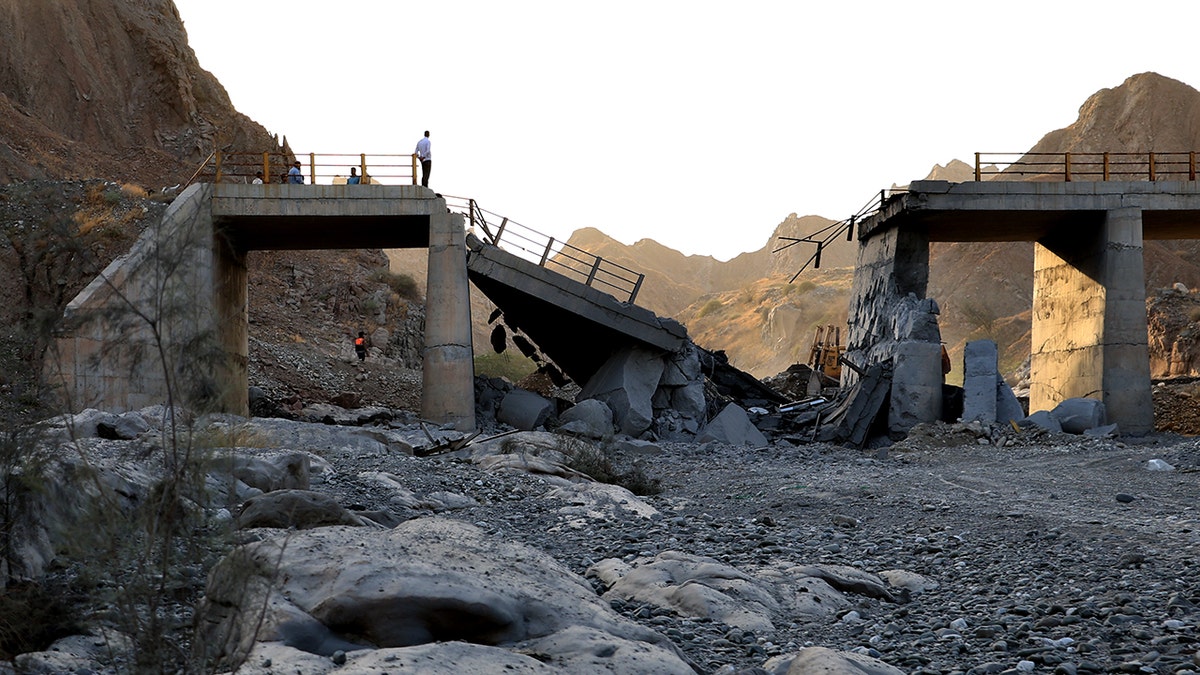
People stand on a bridge destroyed after a strike in Hormozgan province, southern Iran, Saturday, July 18, 2026. (Amirhosein Khorgooi/Iranian Students’ News Agency via AP)
“Where this gets confusing is when Central Command targets assets that are necessary for the Hormuz mission but could still provoke wider escalation, like dual-use infrastructure or certain leadership figures,” Goldberg said. “That doesn’t mean the U.S. wouldn’t welcome the regime’s collapse, but that outcome is more likely to come through economic pressure, covert action and targeted decapitations over time.”
Any move toward regime change would immediately raise questions about who could replace Iran’s rulers and whether Washington could support a political transition without becoming responsible for another prolonged Middle Eastern conflict.
One proposal reportedly discussed earlier in the war involved assisting Iranian Kurdish groups operating near the Iraqi border. Trump was open to supporting armed factions willing to fight Iran’s government, U.S. officials told The Wall Street Journal in March.
The administration had contacted Kurdish leaders about possible assistance, The Washington Post separately reported.
Such groups could provide Washington with partners on the ground without the deployment of U.S. forces. But they remain divided, militarily constrained and vulnerable to retaliation against their bases and supporters in neighboring Iraq.
The central question is whether those groups are now positioned to exploit perceived weakness inside Iran or whether increased fighting amounts to another round of limited clashes.
Majeed Gly, president of the American Kurdish Committee, said recent clashes involving Kurdish groups indicate a change in how some opposition forces perceive the regime’s strength. He cautioned that the violence should not be mistaken for a full-scale uprising, but said it should not be dismissed as routine border fighting.
“What I’m hearing is, this is not business as usual,” Gly told INC News earlier in July. “This is not like periodic clashes on the border. This is operations, and it seems to be deep inside.”
“What has changed is the perception of weakness of Iran,” Gly added. “They are less afraid of the regime.”
The broader Iranian opposition remains fragmented among monarchists, ethnic movements, secular activists, left-wing organizations and other groups that disagree over leadership and the structure of a future government.
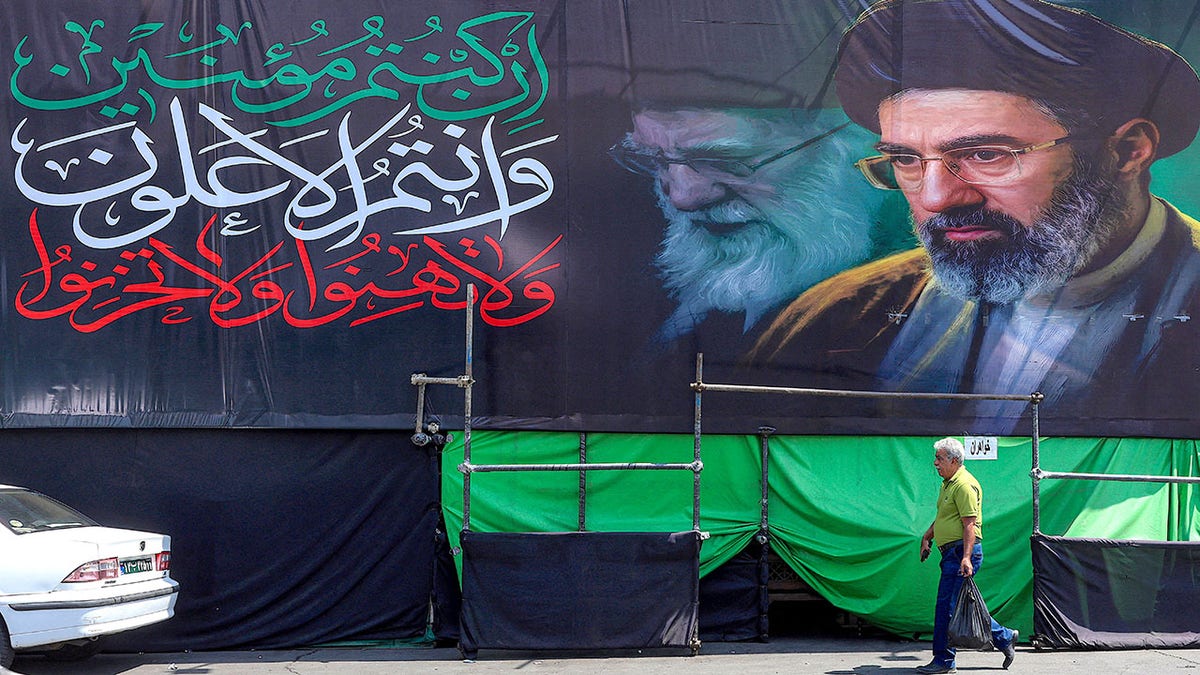
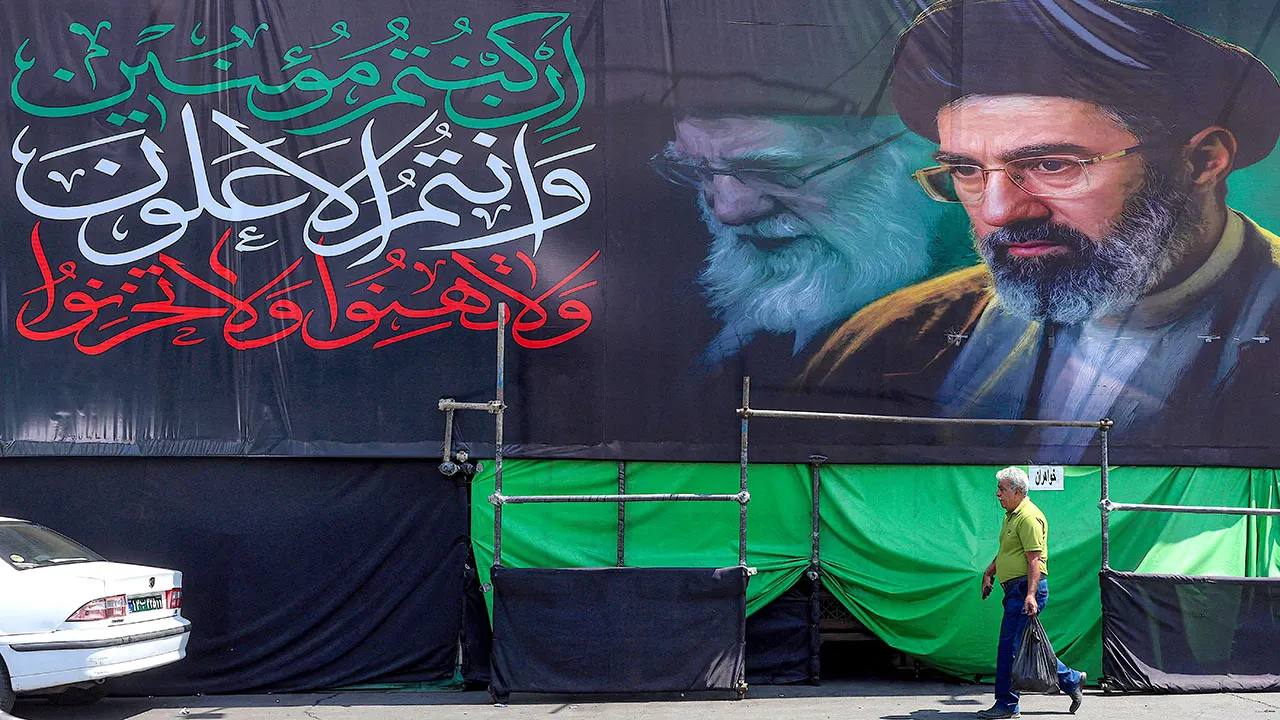
A man walks past a huge mourning banner depicting Iran’s current supreme leader Mojtaba Khamenei and his late father Ali Khamenei, who was killed in a strike on the first day of the U.S.-Israeli war against Iran on February 28, set up along a road in Tehran on June 30, 2026, ahead of Ali Khamenei’s funeral. (AFP )
That leaves the administration confronting the same problem that has complicated previous attempts to encourage political change in Iran: widespread opposition to the Islamic Republic does not necessarily translate into a unified movement capable of replacing it.