
JOHANNESBURG — In a move being described as a significant victory for the Trump administration’s push to counter China’s grip on critical mineral supply chains, the U.S. has backed American firm Virtus Minerals in advancing two major cobalt and copper mining projects in the Democratic Republic of the Congo (DRC).
The deal is being billed as the first U.S. acquisition involving rare earth and critical minerals in the African nation since President Donald Trump unveiled the Washington Accord last December.
China has long played the dominant role in these strategic metals. According to the Strategic Studies Institute, the DRC produces roughly 80% of the world’s cobalt, and Chinese interests control about 80% of that output. Cobalt is used across industries, from electric vehicles and smartphones to military aircraft, and appears on the U.S. government’s critical minerals list. Copper is also listed as critical, serving traditional uses such as plumbing pipes while remaining essential to electronics and the automotive sector.
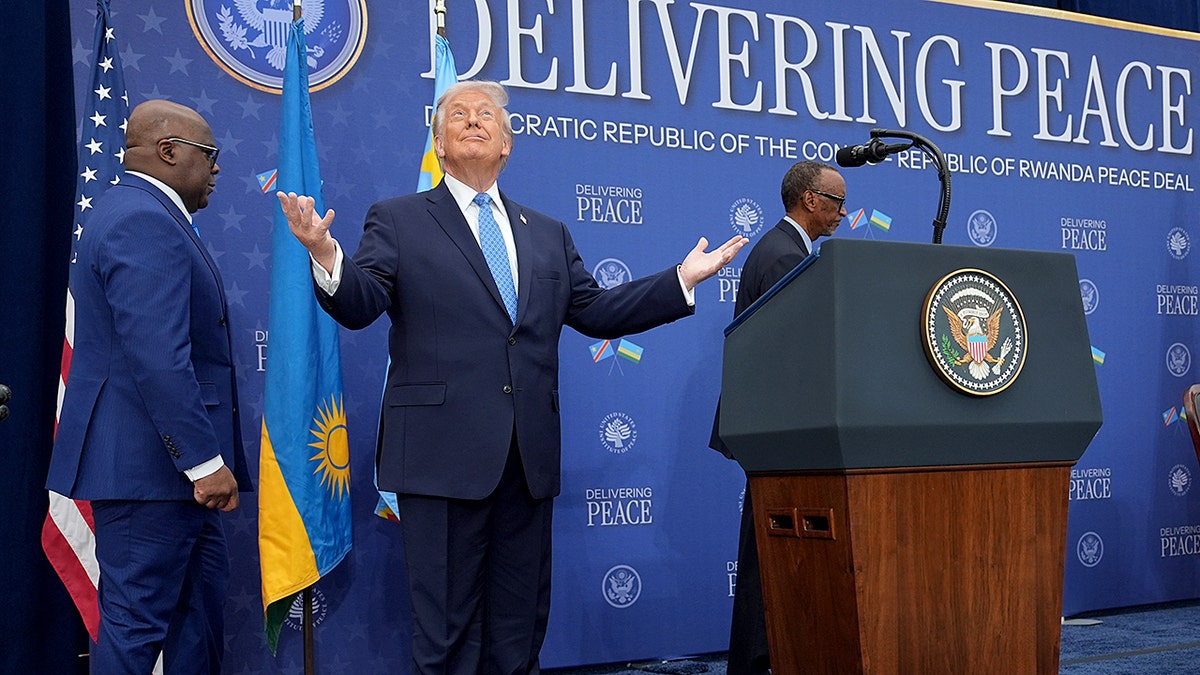
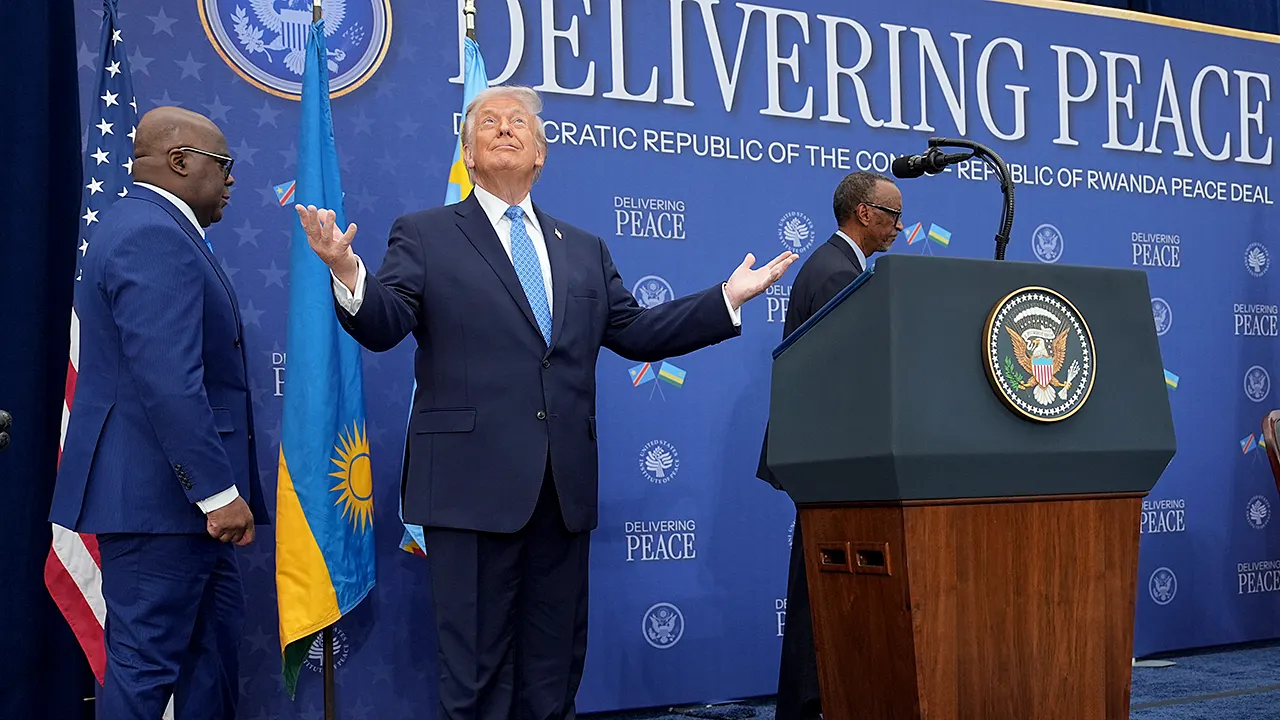
President Donald Trump attends a signing ceremony with Rwanda’s President Paul Kagame and Democratic Republic of Congo President Felix-Antoine Tshisekedi at the Donald J. Trump Institute of Peace in Washington on Dec. 4, 2025. (Evan Vucci/AP)
At the White House signing in December, Trump emphasized his administration’s effort to reduce China’s dominance in minerals and help U.S. mining companies gain a stronger foothold in the DRC. “A great day for Africa, a great day for the world,” Trump said. The accord is also intended to help end fighting between the DRC and Rwandan-backed forces, although the Rwanda-supported M23 rebel group has continued its hostile incursions in eastern DRC.
With U.S. support, Virtus says it is “the first U.S.-owned operator back in the DRC in more than a decade” through its investment in Chemaf, a Congolese cobalt and copper producer with two mining sites: Étoile in Lubumbashi and Mutoshi in Kolwezi. Once fully operational, the mines are expected to produce a combined 75,000 tonnes of copper and 20,000 tonnes of cobalt annually. Processing facilities are now being developed and are scheduled to begin operations next year.
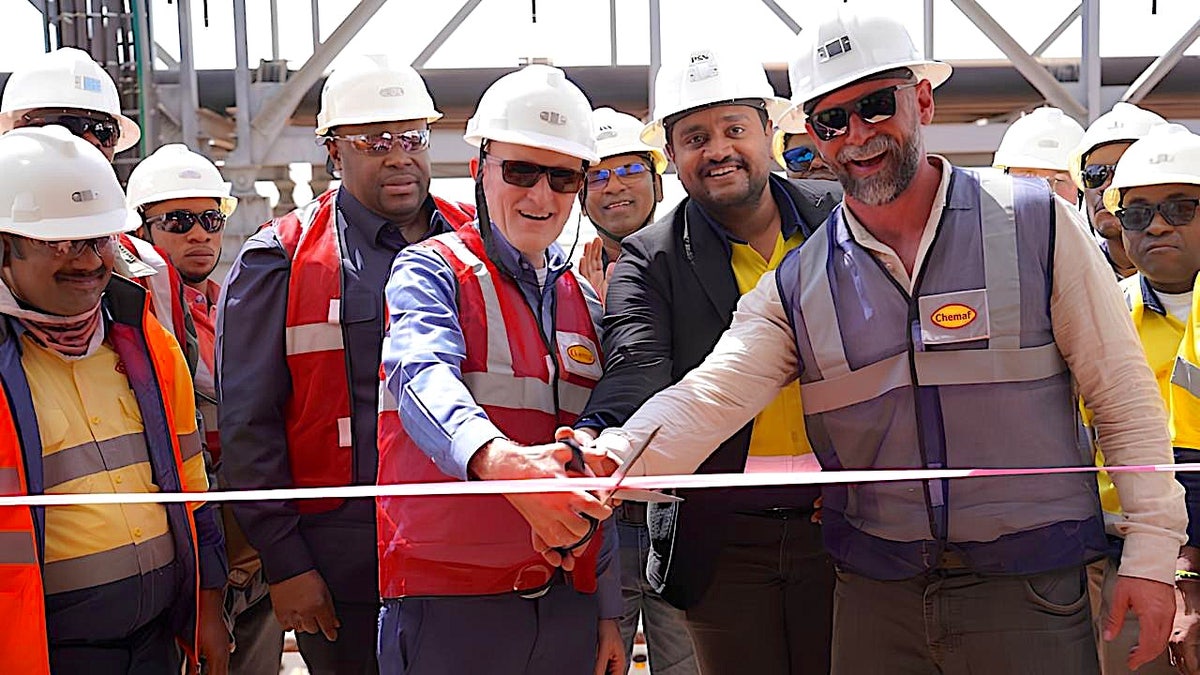
Virtus Minerals CEO and Chemaf Chairman Phillip Braun, U.S. Embassy Kinshasa Chargé d’Affaires Ian J. McCary, and Chemaf Managing Director Sooryanarayanan Prabhakaran cut the ribbon at the new mine. (Virtus Minerals / Chemaf)
The minerals are ultimately expected to move westward through the Lobito Corridor to a port in Angola. The U.S.-backed rail route has attracted a $5 billion investment commitment and, according to Virtus, is designed with “the aim of obtaining a secure, auditable copper and cobalt supply chain for the U.S. and its allies.”
Frans Cronje, president of the Washington-based Yorktown Foundation for Freedom, says the Virtus projects are significant because they show the administration is seriously trying to change the balance in a minerals battle with China.
He told News Agency, “This development signals a more assertive United States effort to compete with China for access to Africa’s critical mineral base, particularly in the Democratic Republic of Congo, where cobalt and copper are strategically vital to global energy and defense supply chains.”
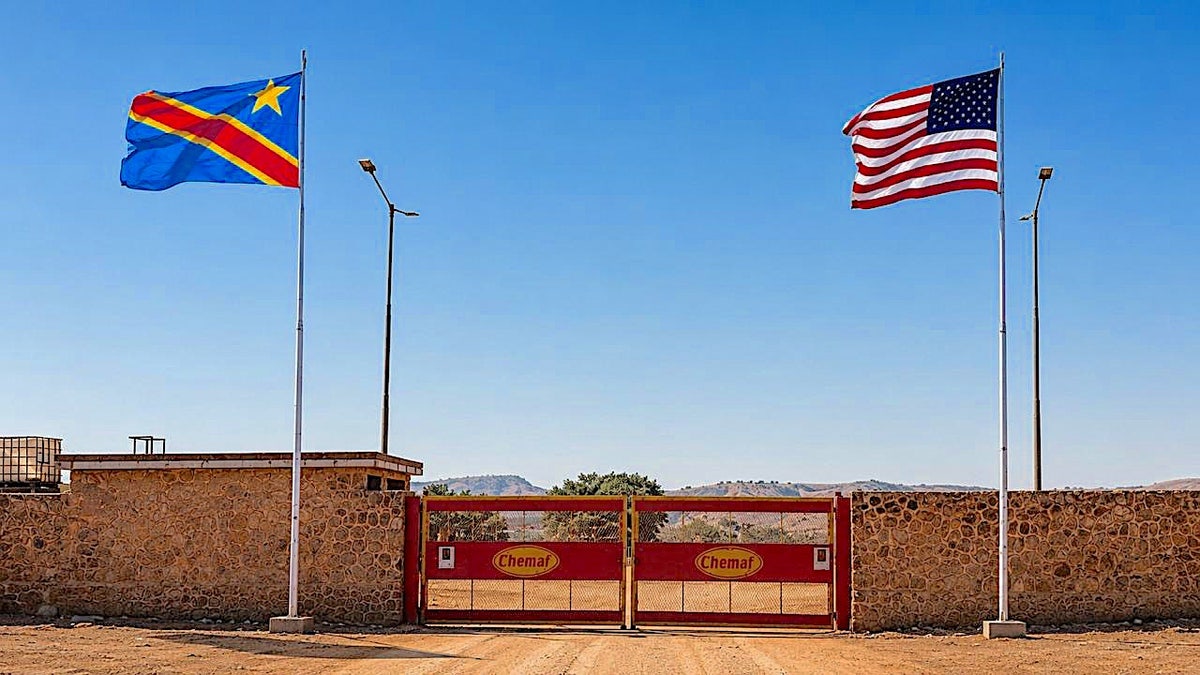
The U.S. and DRC flags fly outside Chemaf’s site in Kolwezi, Democratic Republic of the Congo. (Virtus Minerals / Chemaf)
ALSO READ: Heartbroken Widow Speaks Out After Husband Dies in B-52 Bomber Crash
Cronje added, “China has built deep structural dominance across much of Africa’s resource sector over the past two decades, but U.S.-backed initiatives such as this suggest a shift towards more direct engagement, rather than relying on Chinese-controlled supply routes. This matters because Africa’s vast resource endowment, combined with its geostrategic position along key Atlantic and Indian Ocean corridors, makes it central to future global economic and security competition.”
A State Department spokesperson told News Agency, “President Trump and Secretary Rubio remain firmly committed to supporting U.S. companies that seek to do business in the DRC.”
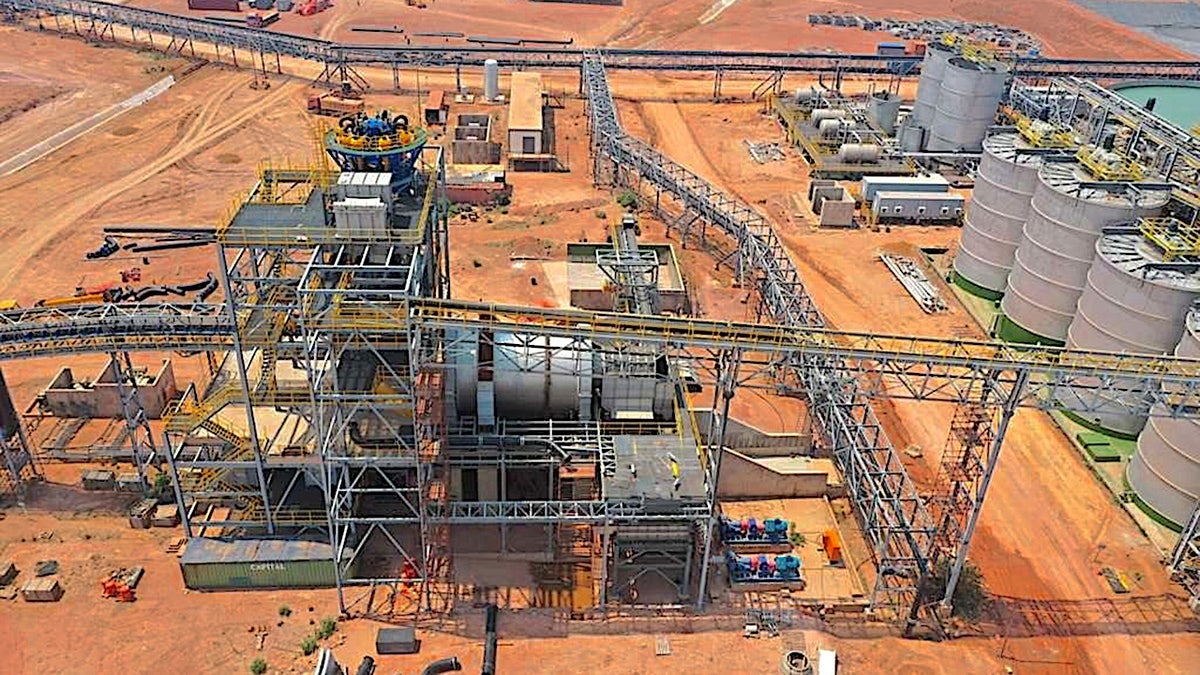
Chemaf’s site in Kolwezi, Democratic Republic of the Congo. (Virtus Minerals / Chemaf)
“The United States government fully supports the efforts of Virtus Minerals,” the spokesperson continued. “This acquisition serves as an initial flagship U.S. investment in the DRC, and sends a clear signal that the U.S. private sector interest is real and will catalyze further investment in alignment with the U.S.-DRC Strategic Partnership Agreement, which positions the DRC to play an integral role in the Trump Administration’s global efforts to secure critical mineral supply chains.”
The spokesperson added that “increased U.S. investment will create quality jobs for American and Congolese workers, foster skills development and support local communities that have long been exploited by the opaque systems constructed and perpetuated by adversarial foreign actors who have controlled the DRC’s critical minerals sector.”
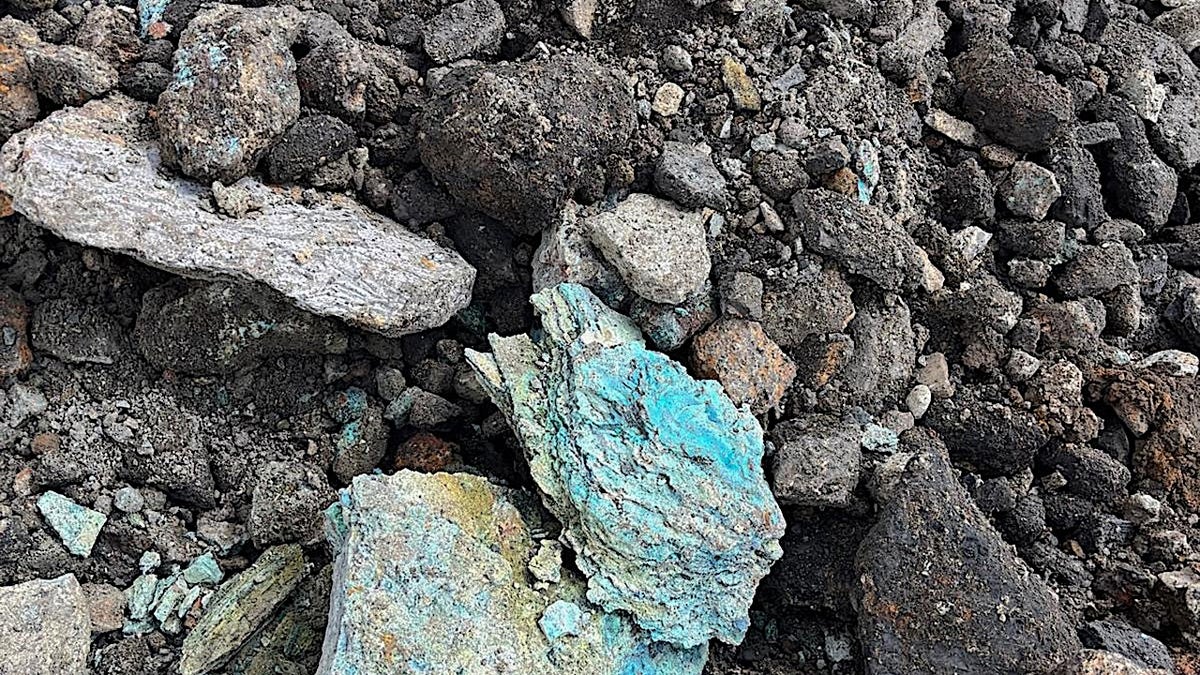
Cobalt and Copper mined from Chemaf’s Etoile site in Lubumbashi, DRC. (Virtus Minerals / Chemaf)
Virtus holds 56 mining licenses in total in the DRC Phillip Braun, Virtus Minerals CEO and Chemaf chairman, told News Agency, “Our first goal is to bring the Étoile and Mutoshi plants up to full production. From there, we will explore everything Chemaf’s 56 mining permits have to offer — copper, cobalt and other metals like tungsten.”
“None of this would be possible,” Braun added, “without the strong partnership now growing between the United States and the DRC, and the support of leaders in both countries who saw what was possible. We look forward to bringing our two nations closer by building a steady, trusted supply of the minerals we depend on and supporting other American companies that want to invest in the DRC any way we can.”
“A more active U.S. presence in these supply chains,” Cronje continued, “would mark a significant rebalancing of influence on the continent, with implications not only for resource access but for broader geopolitical alignment in regions that are becoming increasingly contested.”
News Agency reached out to the DRC government for comment, but did not receive a response.