
Share this @internewscast.com
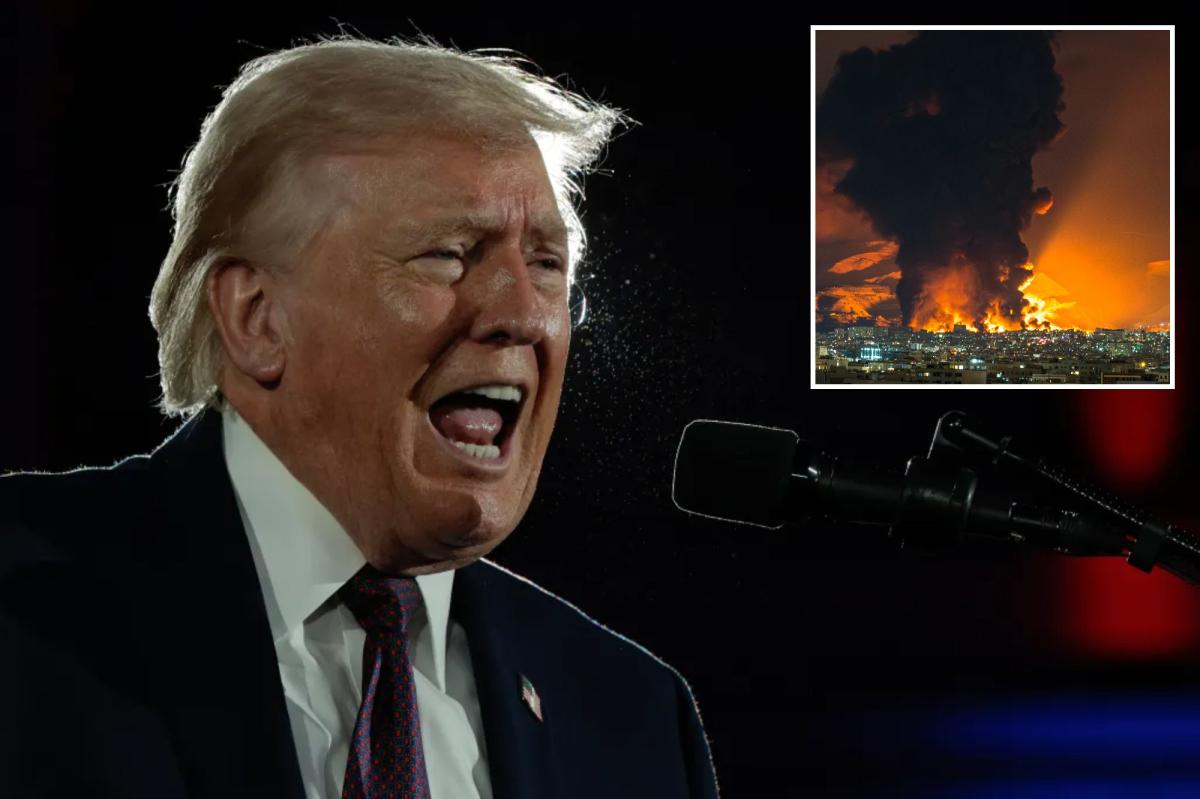
In an early morning message on Thursday, President Trump issued a stark warning to Iran, urging officials of the Islamic Republic to take negotiations seriously to end the ongoing conflict that has now lasted four weeks, cautioning them to act “before it is too late.”
On his Truth Social account, the president remarked, “Iranian negotiators are quite different and ‘strange.’ They are ‘begging’ for a deal, which is logical given their military defeat and lack of recovery prospects. Yet, they publicly claim they are only ‘considering our proposal.’ That’s simply WRONG!!!”


Trump further pressed, “They must get serious soon before it’s too late, because once that line is crossed, there is NO TURNING BACK, and the outcome will be unpleasant!”
This statement followed confirmation from Pakistani Foreign Minister Ishaq Dar that indirect negotiations between the US and Iran are underway. These talks are being facilitated by Pakistan, along with Egypt, Turkey, and other nations.
Speculation emerged earlier this week that Vice President JD Vance might visit Pakistan over the weekend to finalize a ceasefire agreement. However, a source informed The Post that while this remains a “possibility,” it is not “imminent.”
President Trump initially raised hopes for resolving the war, which has severely impacted Iran’s leadership and shaken global markets, when he announced on Monday the postponement of planned strikes on Iran’s energy infrastructure. This five-day delay was intended to provide an opportunity for negotiating an end to the hostilities.
While the US and Israel kept up the pace of airstrikes targeting Iran’s military apparatus and regime figures, Washington submitted a 15-point peace outline to their Tehran counterparts.
The American demands included Iran dismantling nuclear facilities and capabilities as well as forgoing the pursuit of atomic weapons; handing over all enriched uranium to international authorities; limiting its missile program to self-defense uses; keeping the vital Strait of Hormuz open to energy shipping; and cutting off funding for terrorist proxies.
Despite Trump claiming Tuesday that Iran had agreed to forgo pursuit of a nuclear weapon, the Iranians responded that the US demands were unacceptable and presented their own outline that would give them control of the strait and keep funding its terror proxies — including Hamas and Hezbollah.
While the talks have been taking place, American ships and ground forces have been en route to the Middle East ahead of potential ground operations to secure the Strait of Hormuz, through which an estimated one-fifth of the world’s oil passes.
The military campaign against Iran reaches the end of its fourth week Friday, and Trump suggested on the war’s second day it would last “four weeks or so.”
“What we had to do is get rid of the cancer,” Trump told Republican lawmakers Wednesday night. “We had to cut out the cancer. The cancer was Iran with a nuclear weapon. We’ve cut it out. Now we’re going to finish it off.”
“They are negotiating, by the way,” the president added, “and they want to make a deal so badly, but they’re afraid to say it because they figure they’ll be killed by their own people. They’re also afraid they’ll be killed by us.”