
Britain introduces sweeping new powers to target foreign state-linked groups including Iran's IRGC

Amid escalating security concerns, the UK is poised to empower authorities with broad new capabilities to address threats posed by foreign state-linked organizations. This move comes as officials express heightened alarm over activities connected to Iran and other antagonistic states.

Unveiled on Tuesday, the National Security (State Threats) Bill seeks to arm the UK government with robust tools to combat entities linked to foreign states engaging in nefarious activities such as assassination plots, surveillance, and sabotage. While the legislation could potentially target Iran’s Islamic Revolutionary Guard Corps (IRGC), there is no confirmation yet on whether it would be one of the initial groups designated under this law.

This legislative proposal emerges against a backdrop of growing concerns voiced by British intelligence about increased Iran-backed operations within the UK. MI5 Director General Ken McCallum previously highlighted the agency’s efforts in tracking over 20 potentially lethal plots linked to Iran, alongside a significant 35% rise in state-threat inquiries.

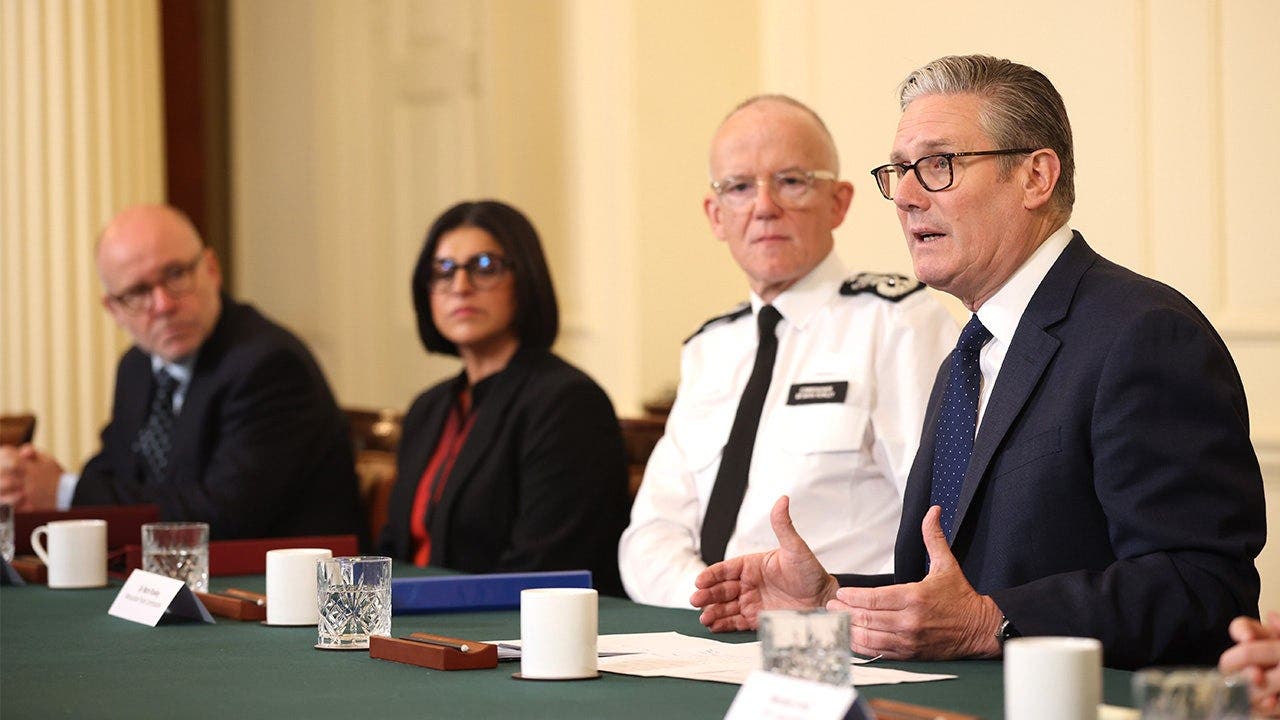
British Prime Minister Keir Starmer and Home Secretary Shabana Mahmood recently convened with security and justice officials at 10 Downing Street to discuss the proposed legislation, which could be applied to foreign state-affiliated entities, potentially including Iran’s IRGC.

If enacted, the bill would grant Home Secretary Shabana Mahmood the power to officially designate groups involved in what the government categorizes as “foreign power threat activity.” Engaging with such designated groups or receiving funds from them could result in prison sentences of up to 14 years.

Beyond Iranian activities, UK authorities have been probing potential connections to recent incidents, such as arson attacks on Jewish sites. The UK has also achieved convictions against individuals accused of espionage or operating on behalf of Russian and Chinese interests.

The bill would create a new framework for tackling threats posed by foreign governments and their proxies, an area critics say Britain’s existing counterterrorism laws were not designed to address.

Qassem Soleimani, the former commander of Iran’s Islamic Revolutionary Guard Corps Quds Force, attends a meeting in Tehran in this file photo. Britain this week introduced legislation that could be used to designate foreign state-linked groups, including potentially Iran’s IRGC. (Press office of Supreme Leader Ali Khamenei/Getty Images)

Labour MP Luke Akehurst, one of Parliament’s leading advocates for action against the IRGC, said the organization presents a unique challenge because it operates as part of the Iranian state.

“As well as brutally repressing freedoms within Iran, the IRGC poses a dangerous threat here in the UK, which our existing terrorism proscription regime was ill-equipped to deal with as it is a state actor,” Akehurst told The Jerusalem Post.

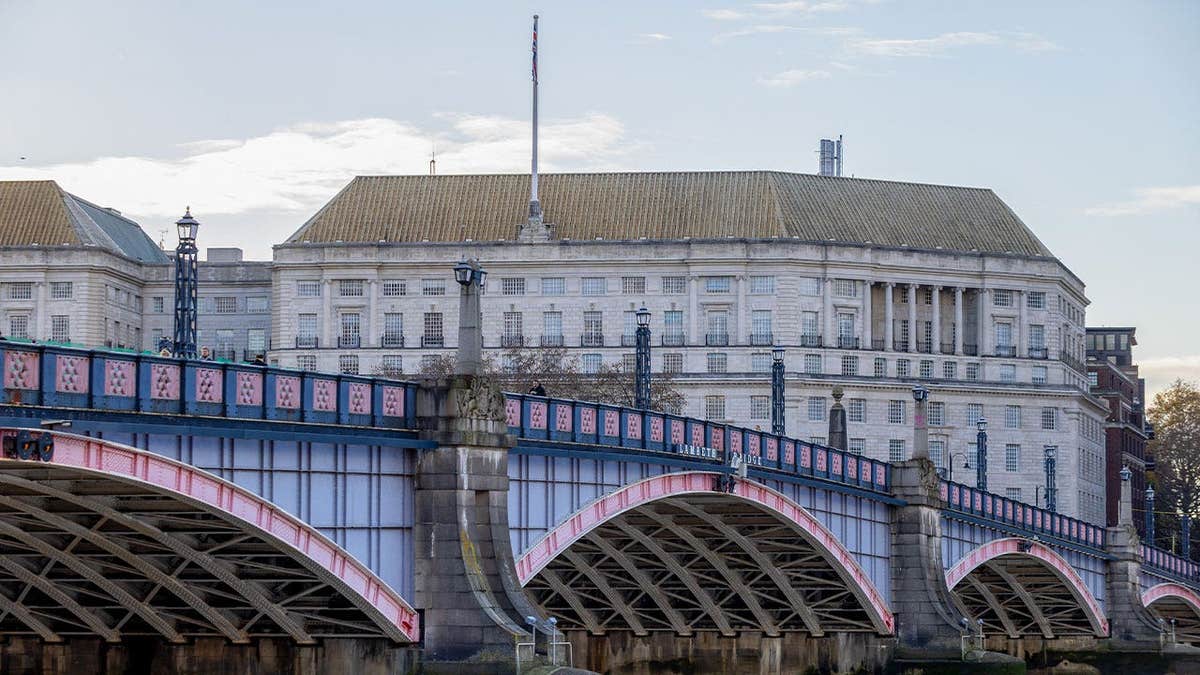
The Thames House headquarters of MI5 in London, UK

The Thames House headquarters of MI5 in London on Nov. 18, 2025. Britain’s domestic security service has warned of growing state-backed threats, including more than 20 Iran-backed plots uncovered in the UK, as lawmakers consider new legislation targeting foreign state-linked groups. (Betty Laura Zapata/Bloomberg via Getty Images)

Supporters of the legislation argue it would close gaps in Britain’s ability to target hostile state-backed actors without relying solely on terrorism laws.

If approved, the legislation could take effect as soon as next month, with officials expected to make a limited number of designations during the law’s first year.

–>

Leave a Reply

Your email address will not be published. Required fields are marked *