
Share this @internewscast.com
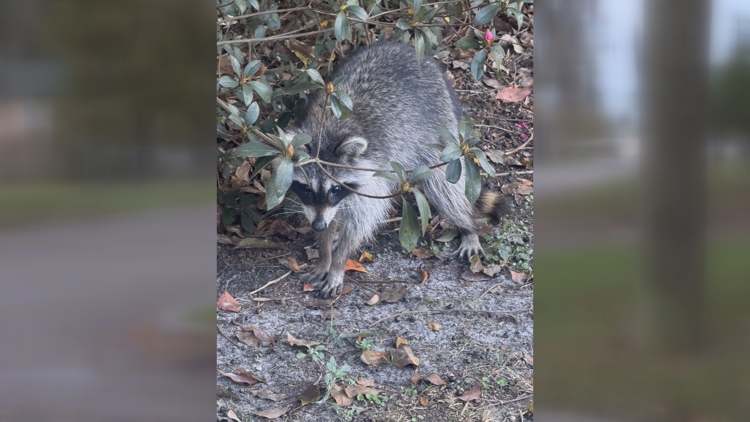
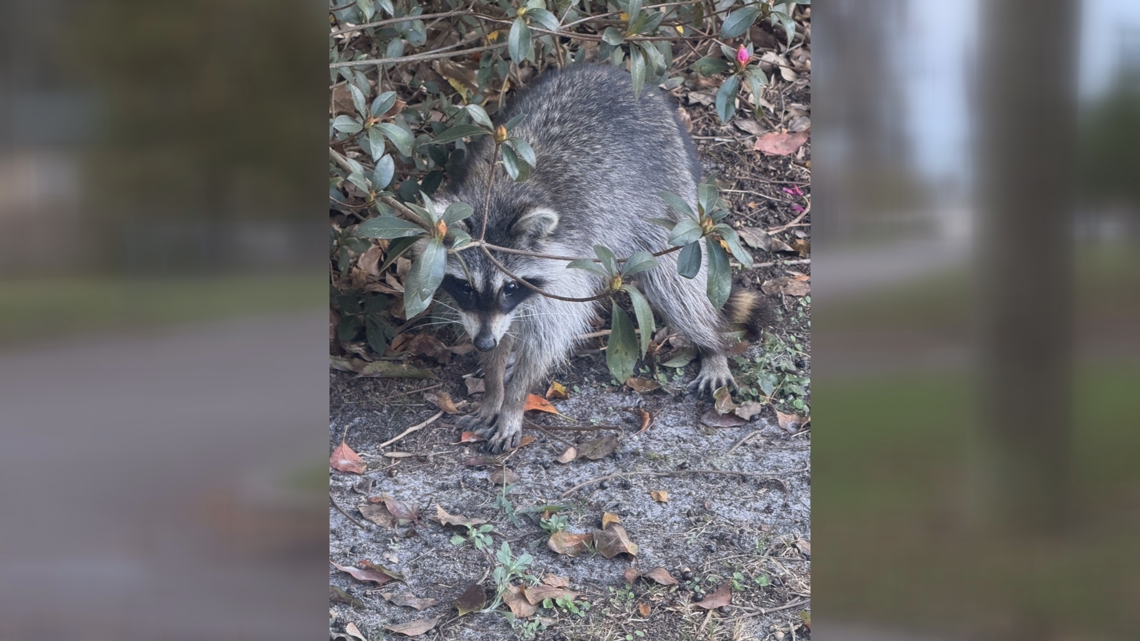
In the past two weeks, the Green Cove Springs Police Department (GCSPD) has responded to four reports of raccoons exhibiting signs of distemper, a virus that poses a significant threat to unvaccinated dogs.
GREEN COVE SPRINGS, Fla. — Dog owners in the area should be vigilant as local police have issued a warning about raccoons infected with distemper. Although the virus is not a threat to humans, it is highly contagious among dogs.
According to the GCSPD, there have been four incidents recently where residents reported raccoons behaving erratically in their yards, raising concerns in the community.
Currently, only raccoons have tested positive for the virus, and authorities are keen to prevent its spread to other animals.
“In nearly every report we’ve received, the caller mentioned they had a ‘rabid’ raccoon on their property,” stated Officer Josh Lee of the Green Cove Springs Police Department.
The reports have originated from two different areas within Green Cove Springs. The first three calls came from the vicinity of Cypress Street, while the latest was reported from Palmer Street, roughly six blocks away.
However, when officers arrived, they quickly realized these raccoons weren’t aggressive at all like you’d expect with rabies – in fact, they were each approachable.
“Almost look like they’re intoxicated,” Lee said. “Really lethargic, swaying back and forth, having a hard time walking.”
Lee says the Wildlife Rescue Coalition came to test the raccoons and determined it wasn’t rabies, but distemper.
He says there is no cure for distemper, which is often deadly, and it’s very contagious to other raccoons and dogs.
“It’s not just being bitten, it’s feces, saliva, sneezing that can affect other animals around them,” said Lee.
Symptoms can appear as lethargy, discharge from the eyes and nose, labored breathing, disorientation and a lack of fear of humans. Although daytime wandering is often labeled a possible symptom, WRC says simply seeing one awake doesn’t necessarily indicate distemper or rabies; baby season can cause raccoons to travel and hunt for food at odd hours.
The Wildlife Rescue Coalition says there is no viral risk to humans, who can’t contract distemper, and that raccoons with the virus are not normally aggressive.
While the issue appears to be contained to Green Cove Springs at this point, the organization is urging people to help keep the virus from spreading by not attempting to relocate raccoons.
Lee says the distemper vaccine is a part of the “core” vaccines most dogs should receive regularly, with the American Veterinary Medical Association saying it’s typically included in standard combination vaccines.
“When you start having multiple within a short period of time, we need to get that out to the community so they can start protecting their pets,” Lee said.
If you see any raccoons exhibiting distemper symptoms in Green Cove Springs, the police department says not to approach them and contact police immediately. The department’s non-emergency line is (904) 264-6512.
Those with concerns about potentially injured, orphaned or sick raccoons anywhere in Northeast Florida can contact the Wildlife Rescue Coalition at 904-779-5569.