
A senior State Department official is criticizing Beijing over what some analysts describe as a “China shock wave” that is putting growing pressure on economies across Africa.
African manufacturers are said to be struggling under the weight of an expanding flow of Chinese goods. Critics describe the dynamic as a three-part squeeze: China sources raw materials from the continent, including valuable critical minerals, then sells African markets large volumes of state-backed manufactured products, while buying far fewer African-made goods in return.
According to the China Global South Project, Chinese exports to Africa reached $225 billion in 2025, while China’s imports from African countries stood at about $123 billion — nearly half the export total.
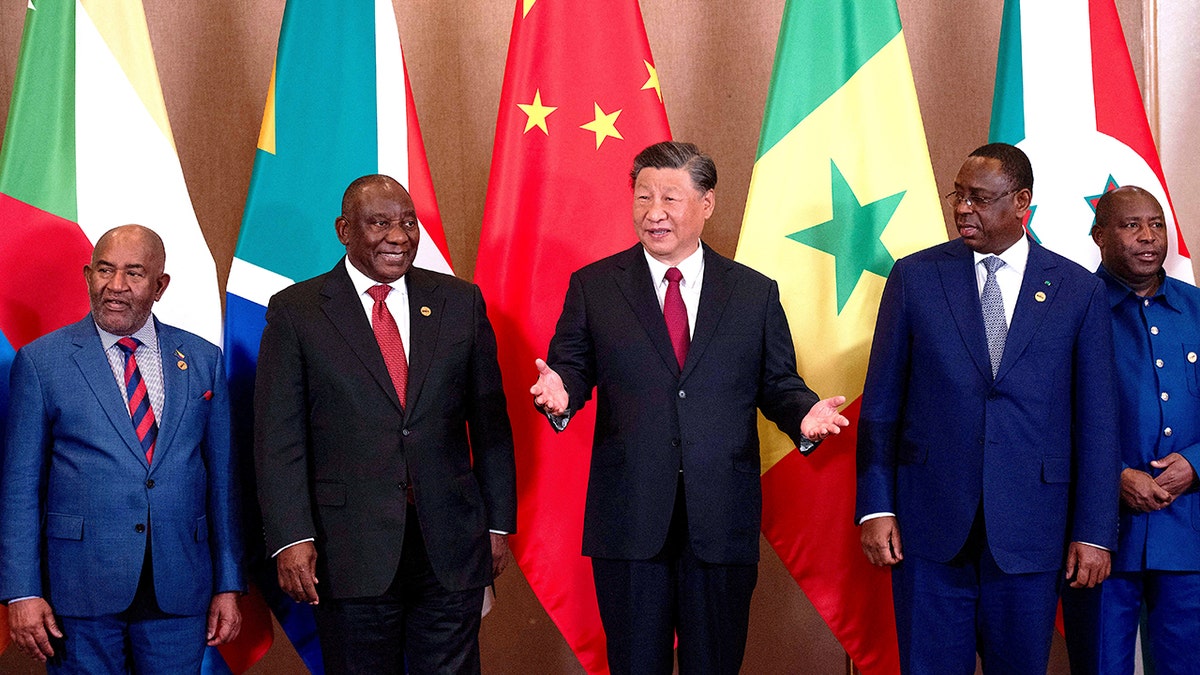
China’s Xi Jinping appears with Comoros President Azali Assoumani (L), South African President Cyril Ramaphosa and Senegalese President Macky Sall during the China-Africa Leaders’ Roundtable Dialogue on the final day of the 2023 BRICS Summit in Johannesburg on Aug. 24, 2023. (Alet Pretorius/POOL/AFP via Getty Images)
The Trump administration now says it wants to address that trade imbalance while opening more doors for U.S. companies seeking to compete in African markets.
Frank Garcia, assistant secretary of state for African affairs, told News Outlet that China is continuing to send large volumes of exports into Africa. He said no nation is fully shielded from the effects of what he described as China’s unfair trade practices and state-subsidized overcapacity, arguing that Beijing’s economic role in Africa has too often contributed to heavy debt burdens, economic pressure and a glut of Chinese imports that can weaken local industries before they have a chance to grow.
Garcia said Washington’s goal is to present reliable alternatives by combining public and private financing in strategic sectors that support U.S. security, strength and prosperity. He added that the United States remains focused on preserving an open investment climate that supports American workers and the broader economy, while also improving safeguards against emerging risks that can come with foreign investment.
Elaine Dezenski, senior director and head of the Center on Economic and Financial Power at the Foundation for Defense of Democracies, told News Outlet that China may be the leading trade partner for many African nations, but that does not necessarily mean those countries are advancing into higher-value industries. Instead, she warned, some are becoming locked into a pattern of shipping minerals and other natural resources to China, then importing finished Chinese products in return.
WHITE HOUSE EXPOSES ‘TRANSSHIPMENT SCAM’ COSTING US UP TO $26B, POINTS FINGER AT CHINA
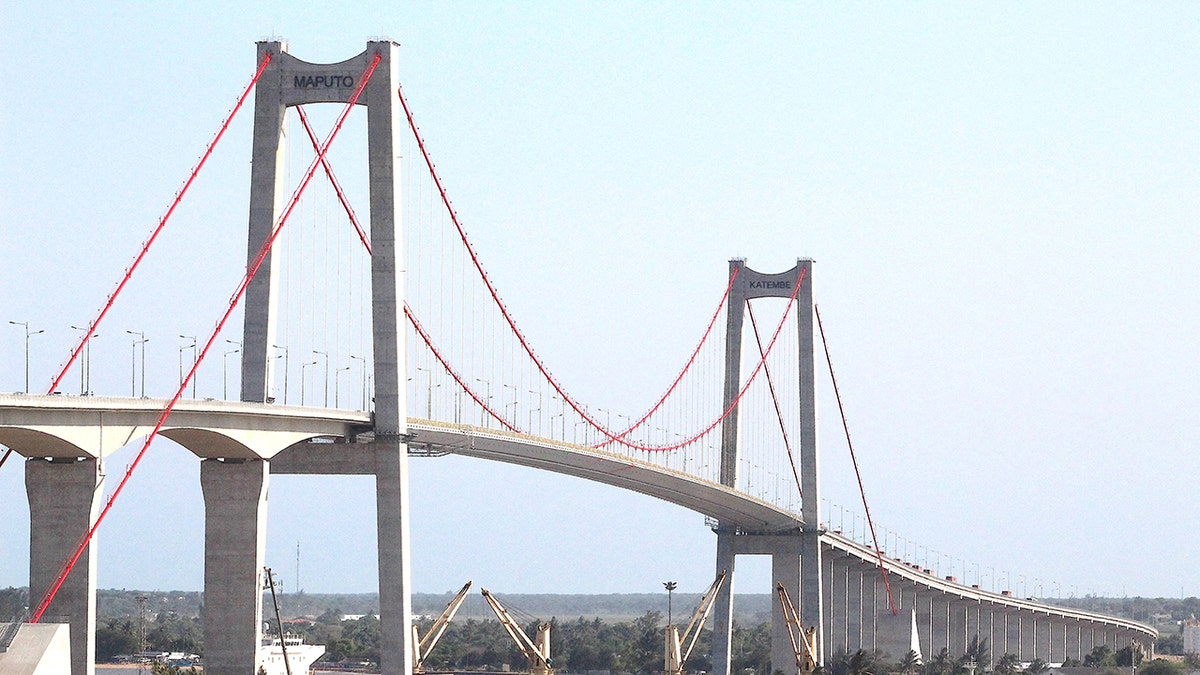
A general view of the Chinese-built Maputo-Katembe Bridge taken on Nov. 10, 2018 in Maputo, Mozambique. (Roberto Matchissa/AFP via Getty Images)
Dezenski added, “Africa wants to manufacture. Chinese exports are getting in the way. Key exports from China are substituting for specific products that could be manufactured in Africa. As China is increasingly shut out of U.S. and European markets through high tariff regimes, Africa is feeling the effects, while China still claims it’s supporting emerging economies.”
China has lent the money to build new roads, bridges and other infrastructure in Mozambique. But in this, the fifth-poorest country in the world where jobs are in short supply, Beijing insisted that Chinese companies should do the construction. Mozambicans in some cases stood by, while workers brought 7,000 miles from Beijing to dig up the streets became a feature in this African country.
Beijing has now targeted Africa in another way. Between 17% and 40% of all car sales in South Africa are for vehicles from China. The goal appears not to stop at imports. The Chinese government-owned carmaker Chery has recently bought South Africa’s Nissan plant, and will make Chinese models such as Jetour near Johannesburg.
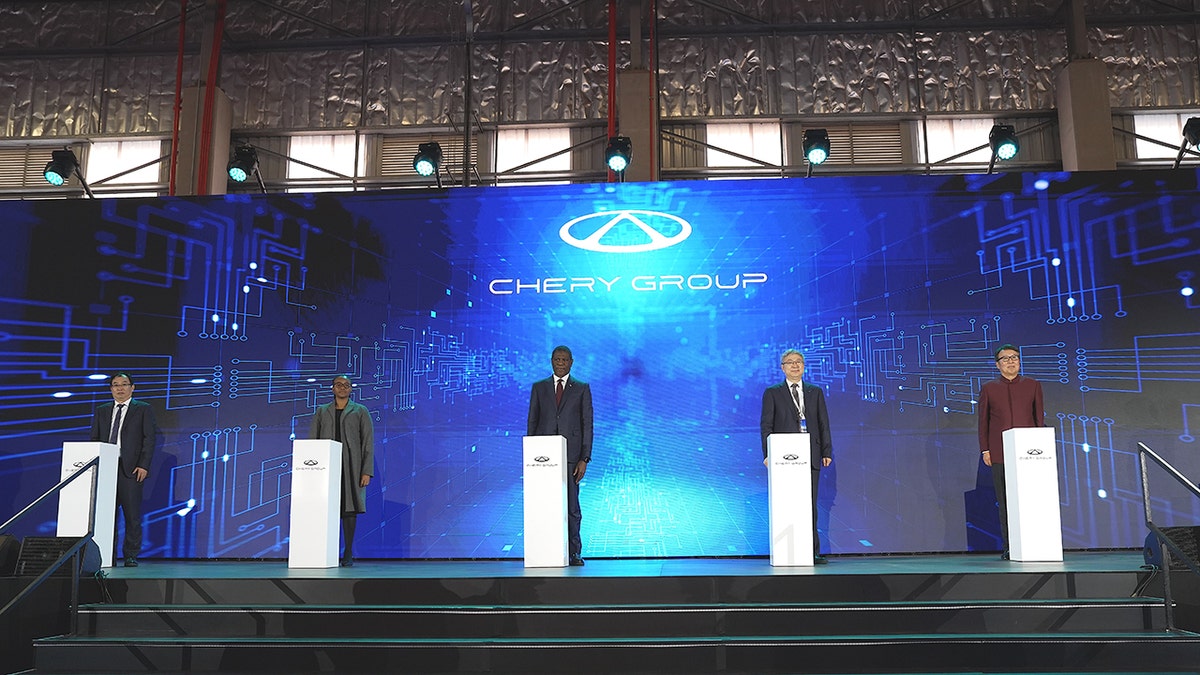
Chery Automobile Chairman Yin Tongyue (R2) and South African Deputy President Paul Mashatile (R3) attend the launch of the Chery manufacturing facility at the former Nissan factory on July 3, 2026, in Rosslyn, Pretoria, South Africa. China’s Chery formally took over Nissan’s car manufacturing plant in Rosslyn on Friday under a deal that was announced in January, and executives said the company will spend millions of dollars upgrading and adding machinery ahead of starting vehicle production in South Africa in mid-2027. (Sun Xiang/China News Service/VCG via Getty Images)
But China has won over many South African consumers. “China is delivering better vehicles and better prices to South African consumers — and this is pushing Western-oriented firms out of the market,” analyst Frans Cronje told News Outlet.
Cronje, president of the Washington-based Yorktown Foundation for Freedom, added, “The South African and broader sub-Saharan business communities have always shown a Western lean or bias, in large part a consequence of the region’s colonial past. But China’s industrial influence is changing, and as the South African vehicle industry shows, that change can be rapid and occur with the support of consumers. Privately, many Western firms say they don’t know if they can remain competitive.”
The U.S. is making its own waves in Africa though. The administration’s Bureau of African Affairs has reported it has worked on 37 commercial transactions that have closed since the beginning of President Donald Trump’s second term — representing $25.67 billion in total value, with more still being reported.
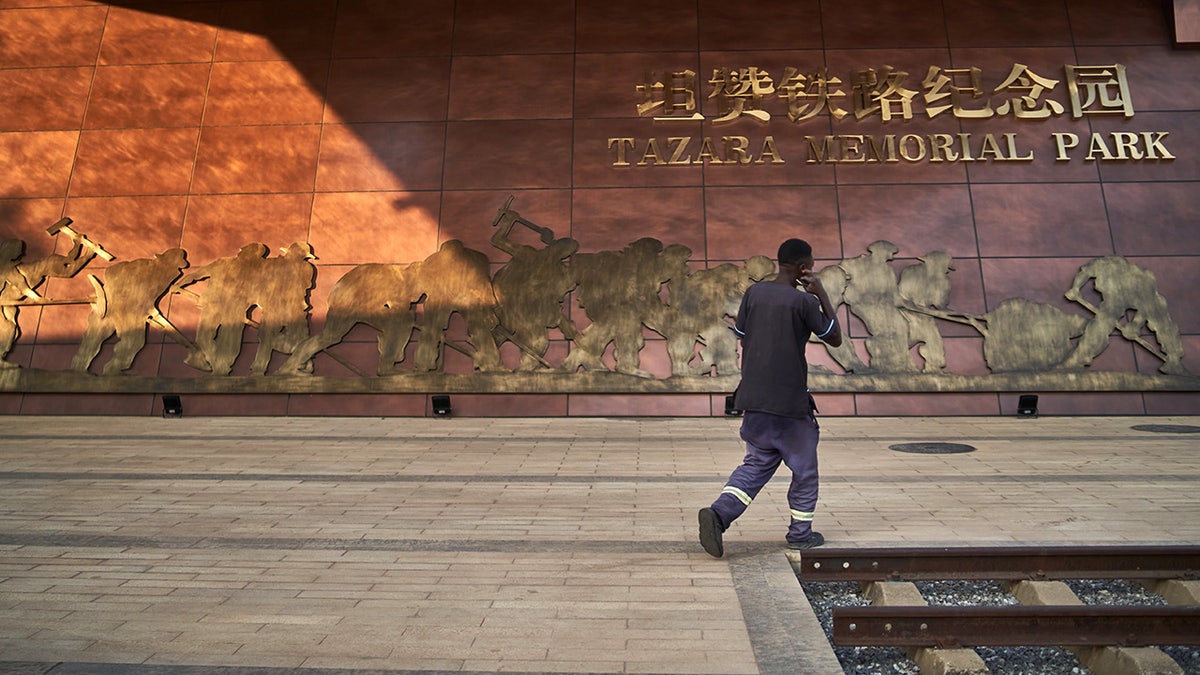
A sign at the Tanzania-Zambia Railway Authority (TAZARA) memorial park in Lusaka, Zambia, on Thursday, Sept. 21, 2023. For over a decade, China poured more than $120 billion of government-backed loans through its Belt and Road Initiative to build hydropower plants, roads and rail lines across the continent as well as unparalleled influence. (Zinyange Auntony/Bloomberg via Getty Images)
There’s a way to go. While American goods traded with Africa last year were valued at $83.4 billion by the Office of the United States Trade Representative, Beijing’s General Administration of Customs claimed bilateral trade between China and Africa reached $348 billion for the same period.
The will to succeed, though, is clear. Assistant Secretary Garcia added, “The United States is committed to reshaping the global critical minerals and rare earths market to make it more diverse, secure and reliable. We will work with African partners to address risks from non-market actors and ensure supply chain security. We are using diplomatic and economic tools to promote fair and transparent markets that work for everyone.”
News Outlet reached out to the Chinese Embassy spokesman in Washington, D.C., for comment.