Pope Leo warns of A.I. dangers in first encyclical
Paul Gigot, Bill McGurn and Dan Henninger examine Pope Leo’s first encyclical, in which he warned about the rapid rise of artificial intelligence and urged tougher government oversight, pointing to potential dangers to human dignity.
Pope Leo XIV’s first major confrontation with a breakaway Catholic faction reached a dramatic conclusion Thursday, as the Vatican formally declared the Society of St. Pius X to be in schism and excommunicated bishops who went ahead with ordinations without papal authorization.
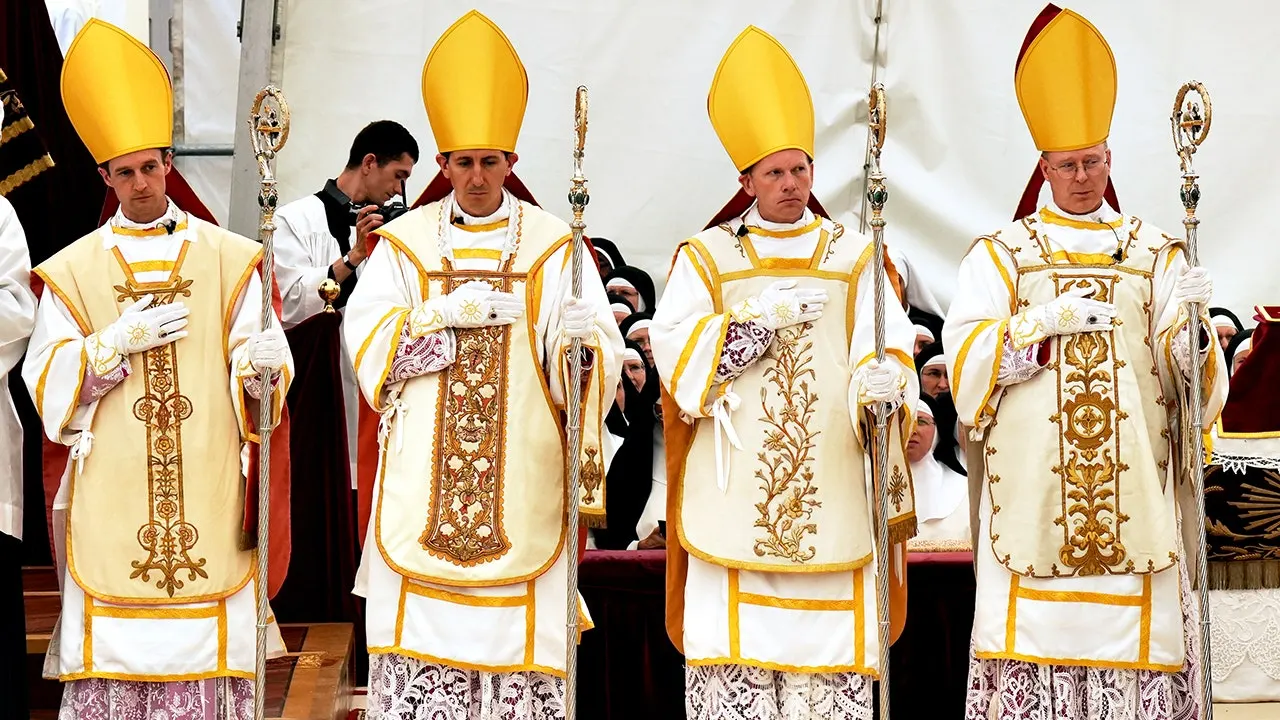
The Holy See’s action came a day after the Society of St. Pius X (SSPX) consecrated four new bishops at its seminary in Écône, Switzerland, disregarding a personal plea from Leo to stop what the Catholic Church described as a “schismatic act.”
In a decree issued Thursday, the Vatican excommunicated the four newly ordained bishops along with the two bishops who participated in the ceremony, ruling that the consecrations amounted to schism — a deliberate rupture with the Catholic Church.
The move follows decades of attempts by multiple popes to heal the divide with the traditionalist movement, which opposes many changes introduced by the Second Vatican Council in the 1960s, among them the wider use of local languages rather than Latin in the celebration of Mass.

Newly consecrated bishops, from left, Marc Hanappier, Michel Poinsinet de Sivry, Michael Goldade and Pascal Schreiber at the end of their consecration ceremony at the Society of St. Pius X seminary in Econe, Switzerland, Wednesday, July 1, 2026. (AP Photo/Baz Ratner)
Under Catholic law and tradition, only the pope can authorize the consecration of bishops, a safeguard intended to maintain the Church’s unity and its apostolic succession.
The penalties also roll back concessions the Vatican had extended to the SSPX in recent years as part of efforts to restore full communion with Rome. The decree says the group may no longer validly administer the sacraments of confession and marriage, and it urged Catholics who attend SSPX Masses to distance themselves from the movement.
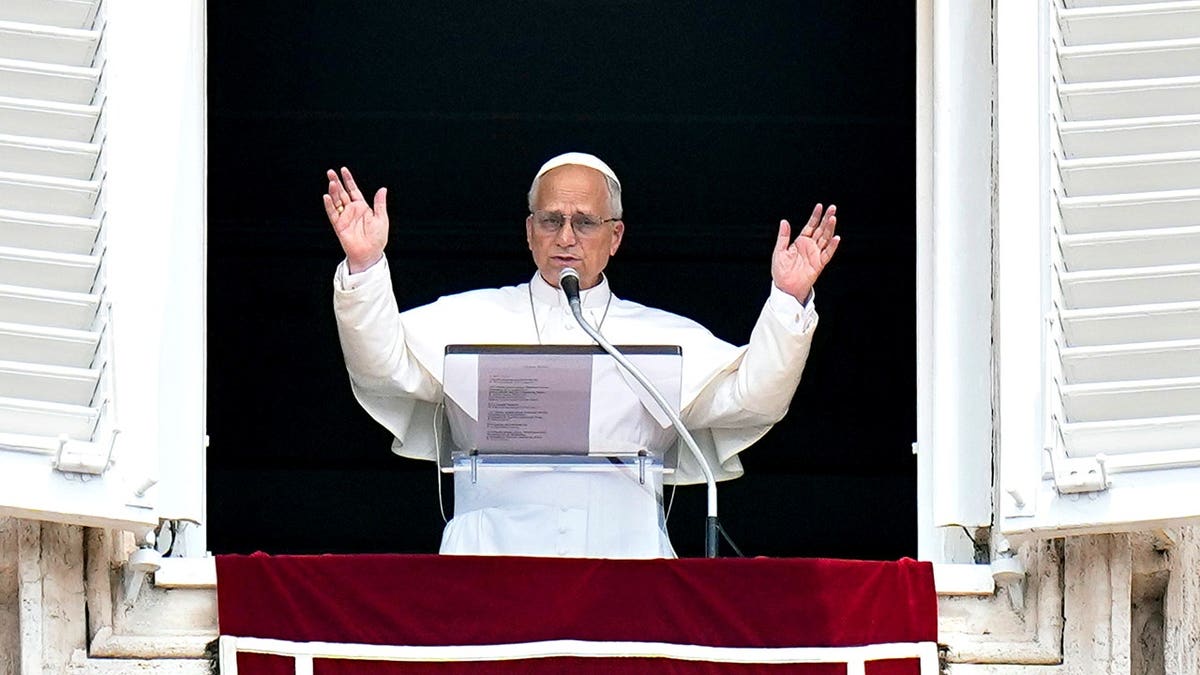
Pope Leo XIV waves during the Angelus noon prayer from the window of his studio overlooking St. Peter’s Square, at the Vatican, Monday, June 29, 2026. (AP Photo/Alessandra Tarantino)
The action comes just days after Leo made a rare personal appeal to the group’s leader, the Rev. Davide Pagliarani, urging him to cancel the consecrations.
“I plead with you and ask you with all my heart: please turn back!” the pope wrote in a letter to Pagliarani on Monday, warning the planned ordinations would deepen the decades-old division between Rome and the SSPX.
The dispute is the first major test of Leo’s pontificate. Since becoming pope, the American-born pontiff has emphasized healing divisions within the Catholic Church, including reaching out to conservatives and traditionalists who felt alienated during Pope Francis’ papacy.
During Wednesday’s consecration ceremony, Pagliarani insisted the ordinations were carried out not in opposition to the pope but in service to the Church.
“We are accused of not respecting the pope,” Pagliarani said. “But it is precisely because we love the pope as the vicar of Christ, as the head of the church, that we don’t want to see the pope humiliated anymore, on the side of false shepherds representing false religions.”
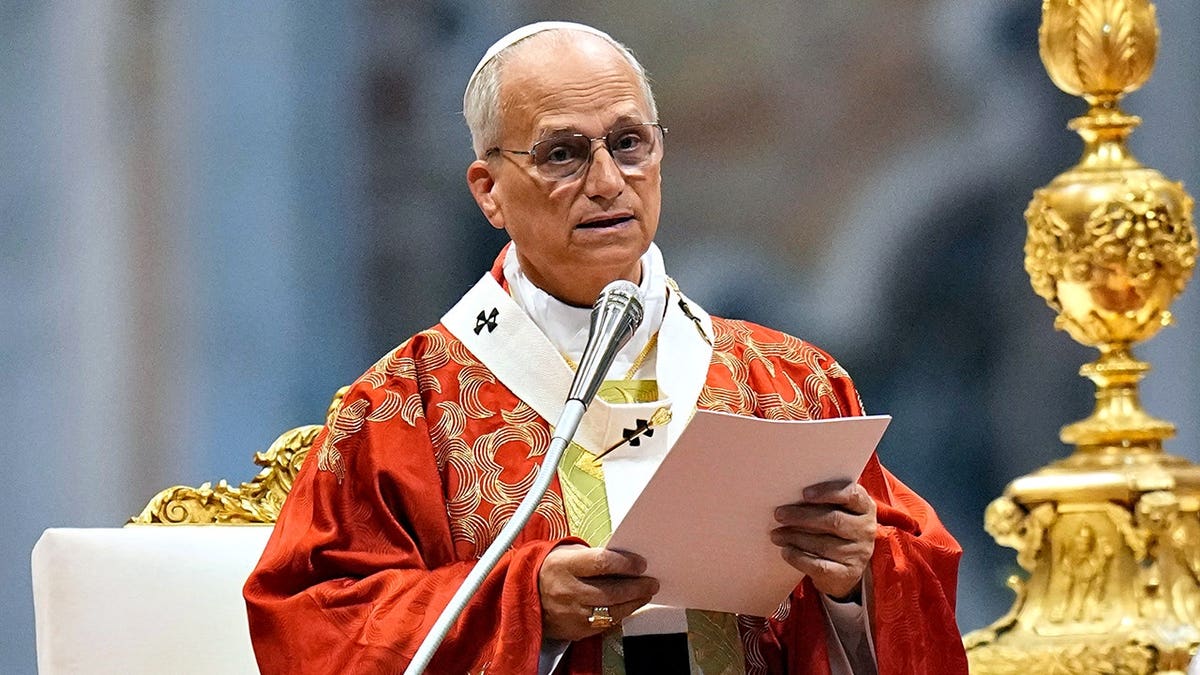
Pope Leo XIV delivers his message as he celebrates a Mass where he confers the pallium on newly appointed metropolitan archbishops, in St. Peter’s Basilica, at the Vatican, Monday, June 29, 2026. (AP Photo/Alessandra Tarantino)
Founded in 1970 by French Archbishop Marcel Lefebvre, the Society of St. Pius X has long opposed what it considers theological errors introduced by the Second Vatican Council. Lefebvre was excommunicated in 1988 after consecrating four bishops without the approval of Pope John Paul II in a nearly identical confrontation.
Those excommunications were lifted in 2009 by Pope Benedict XVI in an effort to restore dialogue, though the SSPX never returned to full communion with Rome and has remained outside the Church’s formal structure.
Despite that status, the society has continued to grow, reporting hundreds of priests, seminarians and religious members serving followers in dozens of countries, making it one of the largest traditionalist Catholic movements operating outside the Vatican’s authority.