
As you prepare to adjust your clocks this weekend for the end of Daylight Saving Time, be aware that this change could trigger a series of health risks that might persist for weeks or even longer.
Recent studies have increasingly shown a clear connection between health issues—both mental and physical—that arise when Americans shift their clocks back an hour in the fall and forward an hour in the spring.
Daylight Saving Time (DST) was standardized nationwide with the Uniform Time Act of 1966. It was designed to extend daylight hours in the evening during the warmer months, which helps conserve electricity and promotes more outdoor activities.
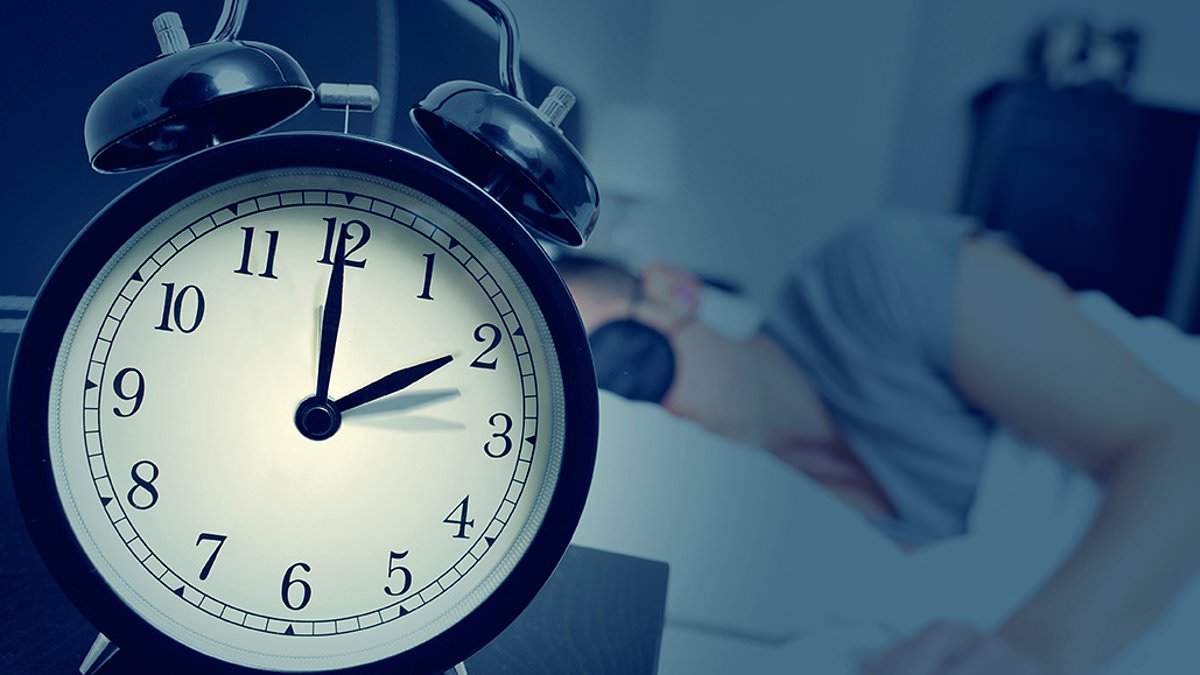
This year, clocks will be set back one hour on Sunday, November 2, 2025, at 2 a.m. in each time zone.
However, medical professionals caution that the adjustment, whether adding or losing an hour of sleep, can significantly disrupt people’s circadian rhythms and sleep cycles.
While the spring transition to DST is linked to more immediate health risks like heart attacks and strokes due to the loss of sleep, researchers now find that the fall shift can lead to less obvious effects, such as mood disorders, depression, and increased substance abuse.
These effects stem from a mismatch between our social activities and biological clocks, which get exacerbated by earlier sunsets and less light exposure, which can upend a person’s sleep schedule.
Specifically, researchers have found four major issues tied to falling back one hour, with the most vulnerable Americans being children, shift workers, and those with pre-existing cases of depression or heart disease.

Clocks falling back one on November 2 could lead to many Americans suffering from mood issues, depression, and even substance abuse (Stock Image)
Sleep Disruption and Reduced Sleep Quality
In 2022, researchers from the Google-run company Verily Life Sciences in California found that ‘falling back’ an hour when Daylight Saving Time ends disrupts sleep more than people expect, even though you get an extra hour that initial night.
Their study in Sleep Science and Practice used data from over 6,000 adults wearing Fitbit-like devices to measure how the time change altered their sleep schedules.
For up to a week afterward, participants woke up more during the night, felt less rested in the morning, and had lower sleep quality overall.
The researchers explained that our bodies’ internal clocks don’t adjust instantly to the new schedule, especially with earlier sunsets making evenings feel darker and sleepier.
A separate report from 2013, published in Sleep Medicine Reviews, found that people lost an average of 40 minutes of sleep over the week after setting the clocks back in the fall.
Molecular biologist Dr John O’Neill said that because circadian rhythms are not exact 24–hour cycles, people can cope with slight delays to their cycle without any major consequences.
However, he added that changes can still be disruptive and may be linked to an increase in road traffic accidents and heart attacks when the clocks change.
Dr O’Neill said Daylight Saving Time should ‘absolutely’ be abolished, adding: ‘It’s completely ridiculous that we’re still living with this anachronism.’

Daylight Saving Time became a regular national rule in the US with the Uniform Time Act of 1966. The clocks fall back this year on November 2
Mood Disturbances and Increased Depressive Symptoms
The earlier sunsets in the evenings after falling back can suppress serotonin production and make cases of seasonal affective disorder (SAD) even worse, potentially leading to depression.
Scientists have said that the impact is particularly pronounced in the first two weeks after falling back, as fewer daylight hours disrupt the body’s mood-regulating circadian signals.
A 2017 study by a team at Aarhus University Hospital in Denmark uncovered that falling back leads to an 11-percent jump in hospital visits for depression over the next 10 weeks.
The research published in Epidemiology used hospital records from over 3.7 million people in the US to find out how the sudden shifts in daylight worsen mood problems.
A 2020 statement from the American Academy of Sleep Medicine added that a review of more than two dozen studies on Daylight Saving Time found falling back also increased the risk of experiencing suicidal thoughts by seven to 11 percent.

Scientists have found that the health effects of changing clocks stem from a mismatch between our social activities and biological clocks (Stock Image)
Increased Risk of Accidents and Injuries
In 2020, a large study which examined the health records from over 150 million people in the US and Sweden found that falling back led to a spike in substance abuse issues, especially for patients with mental and behavioral disorders.
Substance-related problems involving alcohol and drugs jumped by about 12 percent in the week after changing the clocks, compared to nine percent when Americans ‘spring ahead’ and lose an hour of sleep.
The most vulnerable groups to this problem were men over the age of 20, with the highest rates being found among men 41 to 60 years old, according to the report in PLOS Computational Biology.
The team from the University of Chicago and Sweden’s Karolinska Institutet noted that the disruptions to our body’s internal clock throw off sleep and daily rhythms.
That can make it easier for some to turn to alcohol and other substances as a coping mechanism when they feel out of sync or anxious.
That same report also discovered that losing that hour of sleep in the spring ramps up risks for heart problems by four percent, car crashes by 30 percent, and mental health issues by nine percent.
Cardiovascular and Other Systemic Effects
Although heart attacks linked to Daylight Saving Time have been more associated with springing ahead, a new study in July found that not falling back on Sunday could prevent around 220,000 strokes.
The findings, published in Proceedings of the National Academy of Sciences, found that constantly switching between Daylight Saving Time (DST) and Standard Time (SDT) disrupted the body’s internal clock by forcing it to adjust too often to changes in light and darkness.
A stroke occurs when blood flow to the brain is blocked or a blood vessel bursts, damaging brain cells and potentially causing death.
According to the CDC, about 795,000 strokes occur annually in the US, with 185,000 being fatal.
The strain changing clocks puts on circadian rhythms can lead to strokes by increasing blood pressure and inflammation in the brain.
Dr Jamie Zeitzer, a professor of psychiatry and behavioral sciences, said: ‘Staying in standard time or staying in daylight saving time is definitely better than switching twice a year.’