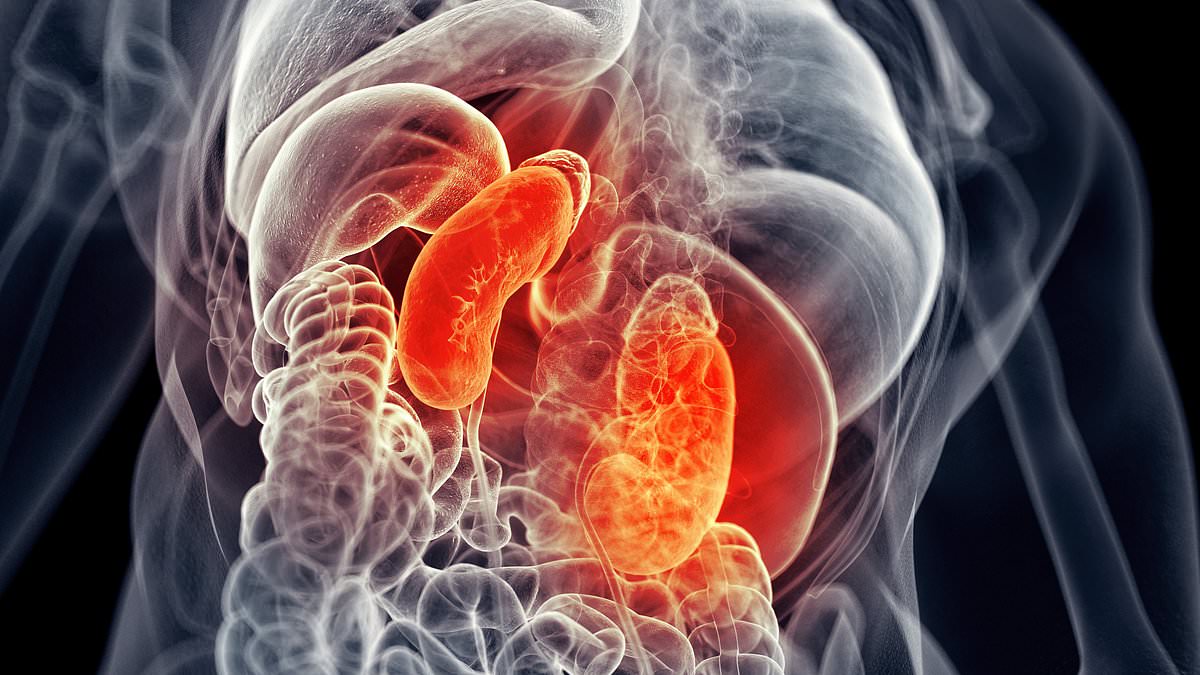

Alarming new research reveals that instances of chronic kidney disease have surged dramatically, more than doubling over the past 30 years.
This progressive condition, which leads to a gradual decline in kidney function, is already linked to approximately 45,000 deaths annually in the UK.
American researchers, after analyzing over 2,000 data sets, estimate that around 800 million adults around the globe are now affected by this life-threatening and irreversible disease.
Experts attribute this increase in part to rising rates of diabetes, obesity, and hypertension.
However, among the 14 identified risk factors for this condition, several—such as inadequate consumption of fruits and vegetables and excessive salt intake—are preventable, according to the scientists.
Notably, China and India, home to two of the largest populations worldwide, represent the highest share of chronic kidney disease cases.
However, the condition has become more widespread in smaller nations including Vietnam, Japan and Turkey, experts warned.
Lauryn Stafford, a senior population health researcher at the University of Washington and study co-author, said: ‘Chronic kidney disease is a growing global health crisis, yet much of its impact is preventable.’

The condition, which causes the kidneys to gradually stop working, is already thought to contribute to 45,000 deaths in the UK alone
Dr Theo Vos, a public health expert at the University of Washington and study co-author, said: ‘Chronic kidney disease is both a major risk factor for other leading causes of health loss and a significant disease burden in its own right.
‘Yet it continues to receive far less policy attention than other non-communicable disease, even as its impact grows fastest in regions already acting the greatest health inequalities.’
The researchers found that in 2023, the disease was now the ninth-leading cause of death globally, claiming nearly 1.5million lives, overtaking conditions including tuberculosis.
But unlike most other leading causes of death, like heart disease or stroke, death rates had increased since 1990.
Most of the 800 million patients were in the early stages of the disease, the scientists also discovered.
This highlights the importance of screening programmes and treatments including blood pressure management, they said.
China and India had 152million and 138million cases respectively.
But countries including the US, Japan, Mexico, Pakistan, the Philippines, Vietnam, Thailand and Turkey each also reported more than 10million adults living with chronic kidney disease.

Almost 4.3 million people were living with diabetes in 2021/22, according to the latest figures for the UK. And another 850,000 people have diabetes and are completely unaware of it, which is worrying because untreated type 2 diabetes can lead to complications including heart disease and strokes
Experts have previously warned that the danger of the condition is that in most cases it has no symptoms until the kidneys are close to failing — by which point it is often too late for treatment.
Such symptoms can include fatigue, swollen ankles, feet or hands, shortness of breath, cause and blood in the urine.
Once kidney damage sets in, it cannot be reversed meaning prevention — or catching the disease early — has long been the only defence.
While there is no cure for the disease, treatment can help relieve symptoms.
These include lifestyle changes and medicines to control associated problems such as high blood pressure and high cholesterol.
Many patients also end up on dialysis several times a week and some need a kidney transplant.
Dialysis, which works by replicating some of the kidney functions by filtering waste and excess fluid from the body, is one of the NHS’s biggest expenses, forecast to hit £13billion a year by the end of the decade.
Ultimately, kidney failure can trigger fatal heart attacks and strokes.

Dialysis works by replicating some of the kidney functions by filtering waste and excess fluid from the body
The condition, experts believe, has been driven by a surge in diabetes cases as well as obesity, high blood pressure — known medically as hypertension — and high cholesterol.
Figures suggest around 40 per cent of diabetics going on to develop kidney disease.
Diabetes occurs when the body is unable to keep blood sugar levels stable—either because the body cannot make the hormone insulin, or it doesn’t make enough it.
Without enough insulin, the level of glucose in the blood can become too high, which can damage the kidneys, which are forced to work overtime to flush out excess sugar, or glucose.
Chronic kidney disease has also been linked to long-term painkiller use, with non-steroidal anti-inflammatories like aspirin and ibuprofen putting an untold strain on the kidneys.
The danger comes from how the drug is processed by the body, irritating the stomach lining and increasing the risk of peritonitis which, left untreated can damage the internal organs including the kidneys.
Previously, experts have called for targeted testing for early signs of kidney disease from the age of 45, saying it could save hundred of thousands of people from deadly heart conditions.