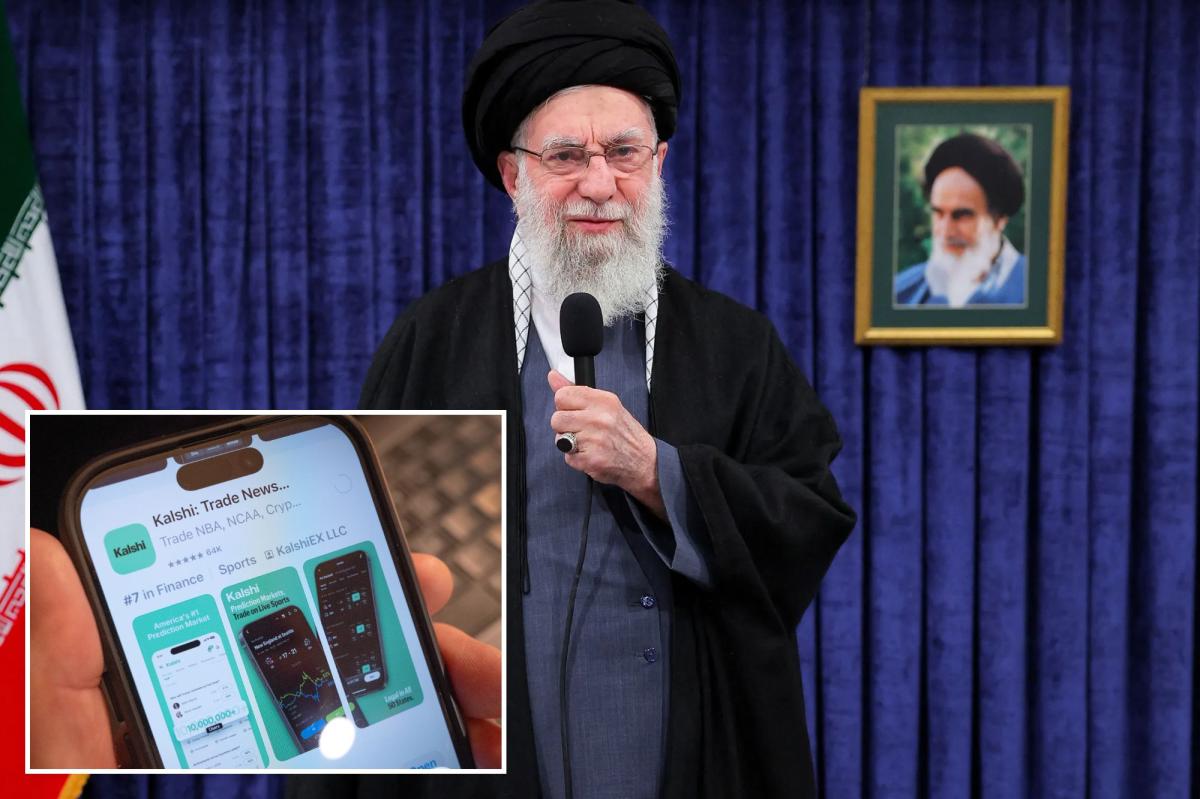


A lawsuit was filed against Kalshi’s prediction market after it allegedly failed to disburse $54 million to bettors who had wagered that Iran’s Supreme Leader, Ayatollah Ali Khamenei, would step down by March 1, 2026. This class action lawsuit surfaced on Thursday.
Khamenei was reportedly killed during joint US-Israeli airstrikes over the weekend, which resulted in hundreds of fatalities, including senior Iranian figures.
The airstrikes were preceded by an extensive US military presence building up in the region over several months.
Many Kalshi users were intrigued by the “Khamenei Market,” drawn in by the volatile geopolitical situation, as noted in the lawsuit.
However, the lawsuit claims that it was only after the Iranian leader’s death that Kalshi invoked a “death carveout” clause to avoid paying out the winnings to their customers.
“With an American naval fleet positioned near Iran and military conflict not just conceivable but largely expected, consumers recognized that death was the most plausible—and for many, the only feasible—way the 85-year-old authoritarian leader would vacate his position. The defendants were aware of this likelihood too,” the complaint stated.
The language around how Khamenei would leave office was “clear, unambiguous and binary,” the lawsuit said, while describing Kalshi’s actions as “deceptive” and “predatory.”
Kalshi did not immediately respond to a request for comment on the lawsuit, which was filed in the US District Court for the Central District of California.
The company’s CEO, Tarek Mansour, on Saturday defended the company’s death carveout, saying it “keeps the rules simple.” Mansour said Kalshi would reimburse all fees from the Khamenei market.
Prediction markets have exploded in popularity since the 2024 US election, when their real-time probabilities proved more accurate than polling in forecasting Donald Trump’s victory.
They offer tradable yes-or-no contracts that allow users to bet on a wide range of real-world events from sports to politics and the economy.
Bet costs fluctuate between zero and 100 cents, and typically pay out when an outcome is confirmed.