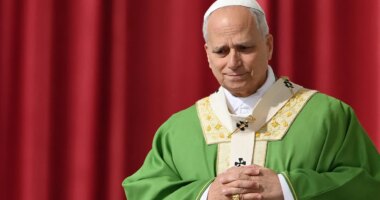
Pope Leo XIV made a heartfelt appeal to the youth of Africa last Friday, urging them to focus on developing their own nations rather than seeking better opportunities abroad. His message was delivered to students at the Catholic University of Central Africa in Yaoundé, Cameroon, during his extensive 11-day apostolic visit to the continent.
Addressing the young audience, the Pope acknowledged the natural inclination to migrate in search of a brighter future. However, he encouraged them to channel their aspirations and education towards serving their homeland. “I invite you, first and foremost, to respond with an ardent desire to serve your country and to apply the knowledge you are acquiring here to the benefit of your fellow citizens,” Pope Leo stated, emphasizing the importance of local commitment.
The backdrop to his appeal is the rising trend of displacement across Africa, driven by economic and political struggles. Pope Leo underscored the vital role that the younger generations play in tackling these challenges. He urged them to be “committed to society,” to address the needs of their countries, and to tackle systemic issues within their own borders.
During his visit to the Saint Joseph’s Cathedral in Bamenda, on the fourth day of his journey, Pope Leo reflected on the debilitating effects of corruption that plague Africa. He called for young people to cultivate an awareness of these challenges from an early stage in their education, suggesting that this consciousness should be an integral part of their formative years.
Pope Leo’s passionate plea highlights the transformative potential of Africa’s youth to drive change from within, fostering a sense of responsibility and hope for their nations’ futures.
“Africa, indeed, must be freed from the scourge of corruption. For young people, this awareness must take root from their years of formation,” he said.
“These are the witnesses of wisdom and justice, of which the African continent needs.”
He added that through education and spiritual formation, “you learn to become builders of the future of your respective countries and of a world that is more just and humane.”
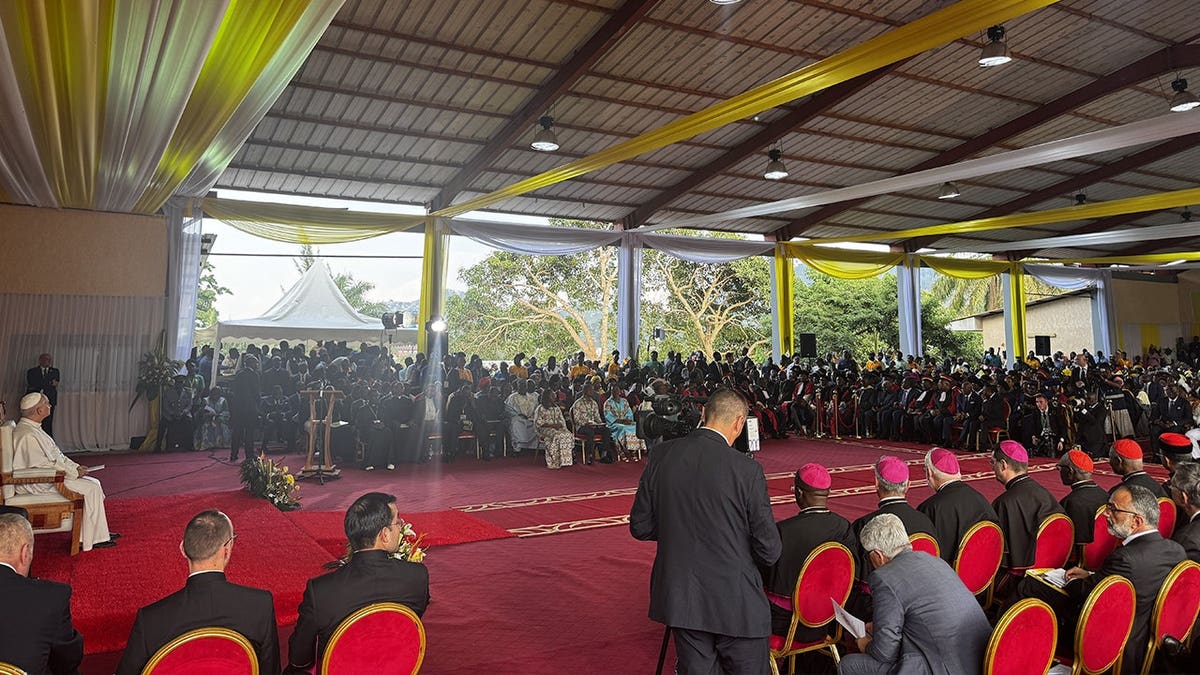
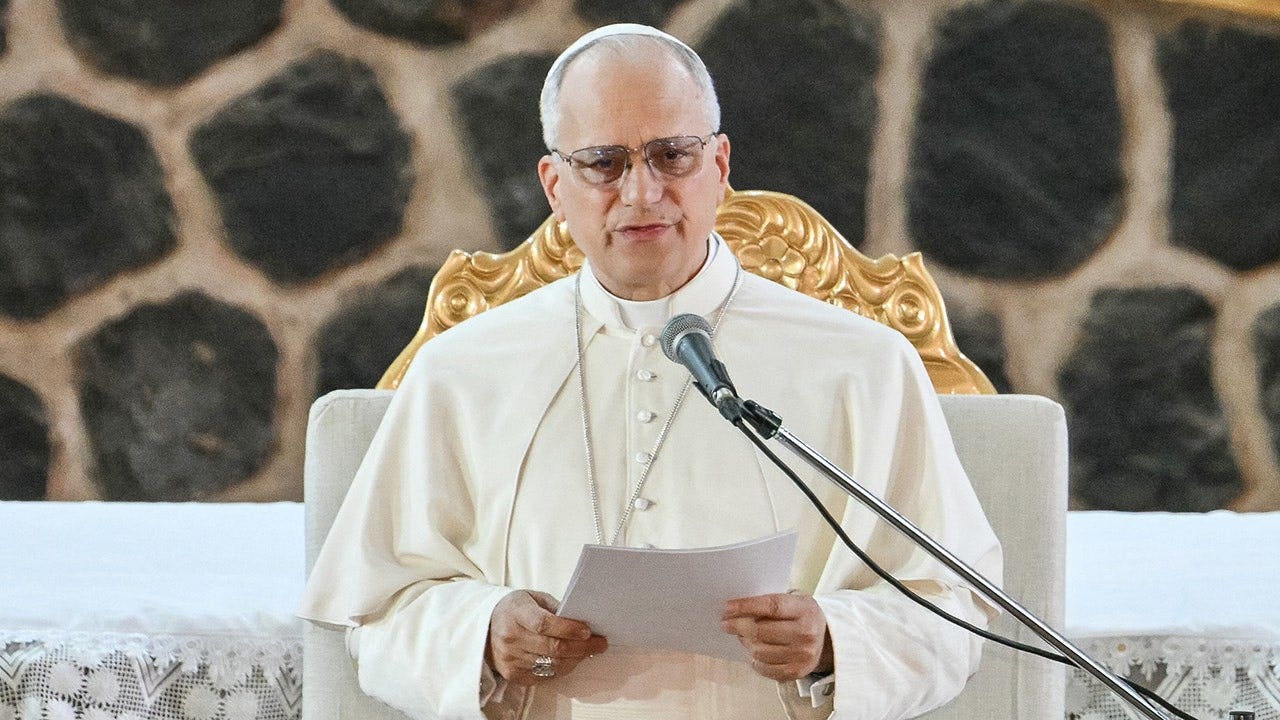
Pope Leo XIV delivers a speech during his visit to Central African Catholic University as part of his Africa tour April 17, 2026, in Yaoundé, Cameroon. (Ahmet Emin Donmez/Anadolu)
According to the World Migration Report, most of Africa’s displacement occurs internally within the continent, with 21 million Africans recorded as living in another African country in 2020.
Overseas African migration has also steadily increased, with figures more than doubling between 1990 and 2020.
In 2020, roughly 11 million Africans reportedly migrated to Europe, 5 million to Asia and 3 million to Northern America.
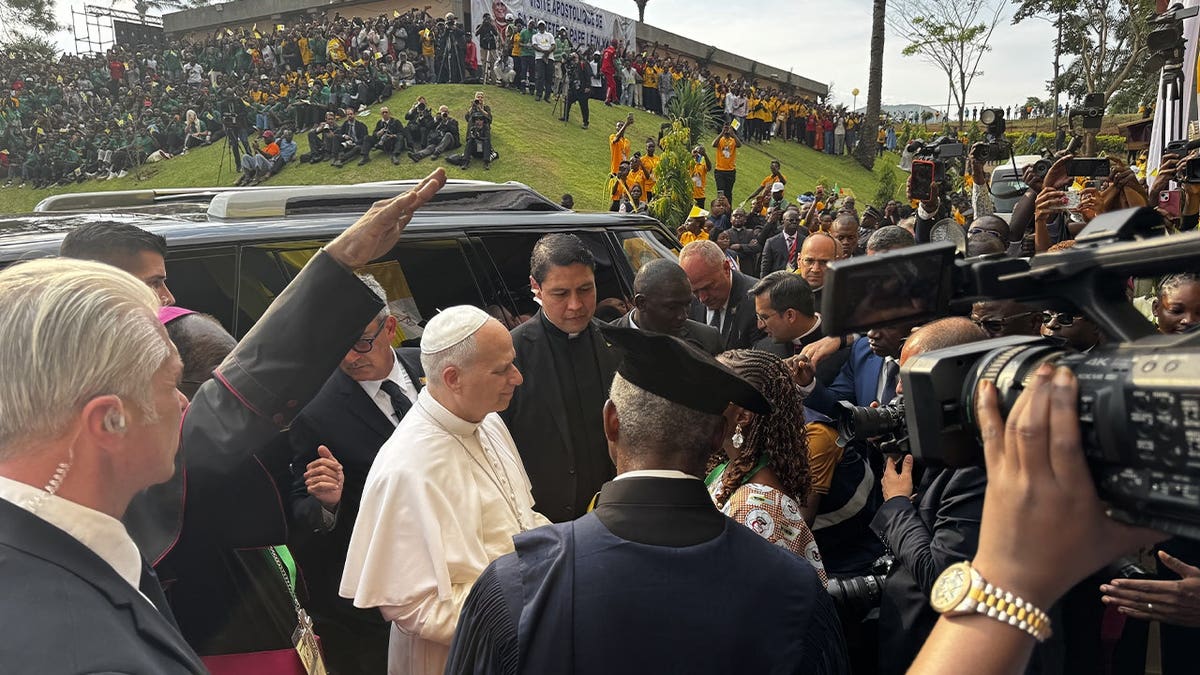
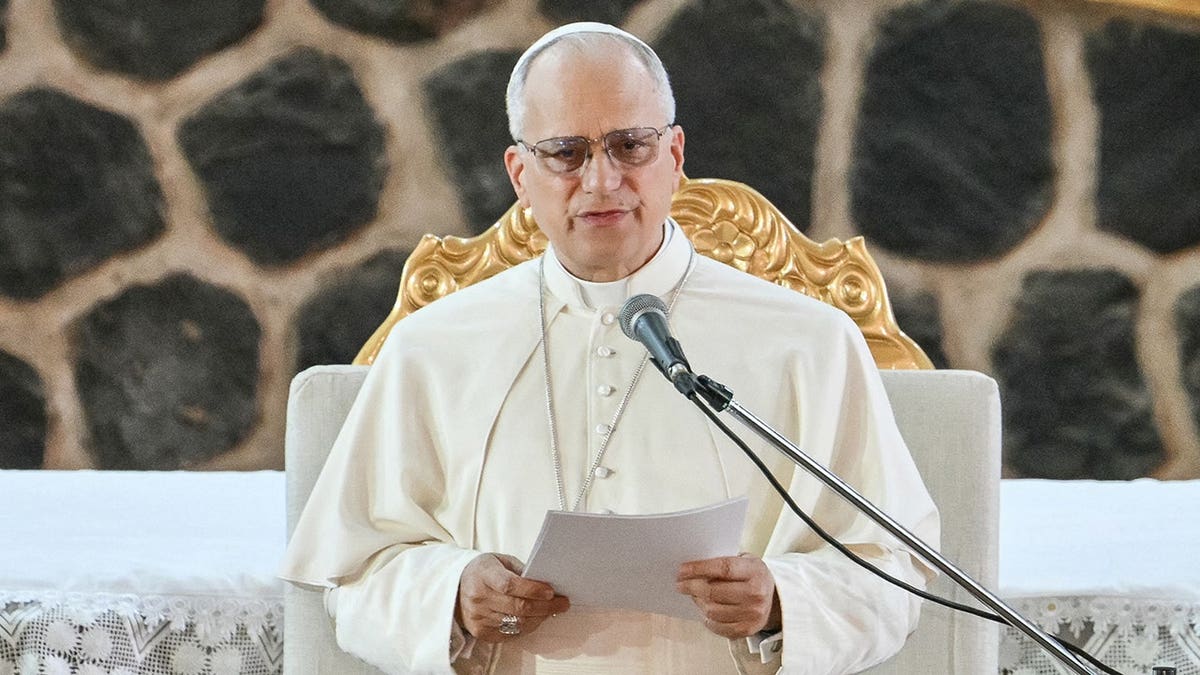
Pope Leo XIV visits Central African Catholic University as part of his Africa tour April 17, 2026, in Yaoundé, Cameroon. (Ahmet Emin Donmez/Anadolu)
The causes of displacement are largely attributed to political conflict, corruption, violence and economic hardship, including widespread poverty.
These factors are particularly pronounced in countries such as Somalia, one of Africa’s largest sources of refugees; Nigeria, which is riddled with natural disasters and economic pressures; and Sudan’s surrounding areas, where civil war, political instability and food insecurity have driven large-scale displacement.
The Pope’s remarks come just days after President Donald Trump criticized Leo on Truth Social, calling him “weak on crime, and terrible for foreign policy.”
The backlash followed the pontiff’s criticism of the U.S.-Israeli war in Iran and his appeal for a return to peace.
Tensions between the two boiled over several days before the Pope said last Saturday that it was “not in my interest at all” to debate the president.
Leo has insisted that his position is focused on bridging divides among nations and promoting peace and reconciliation.